
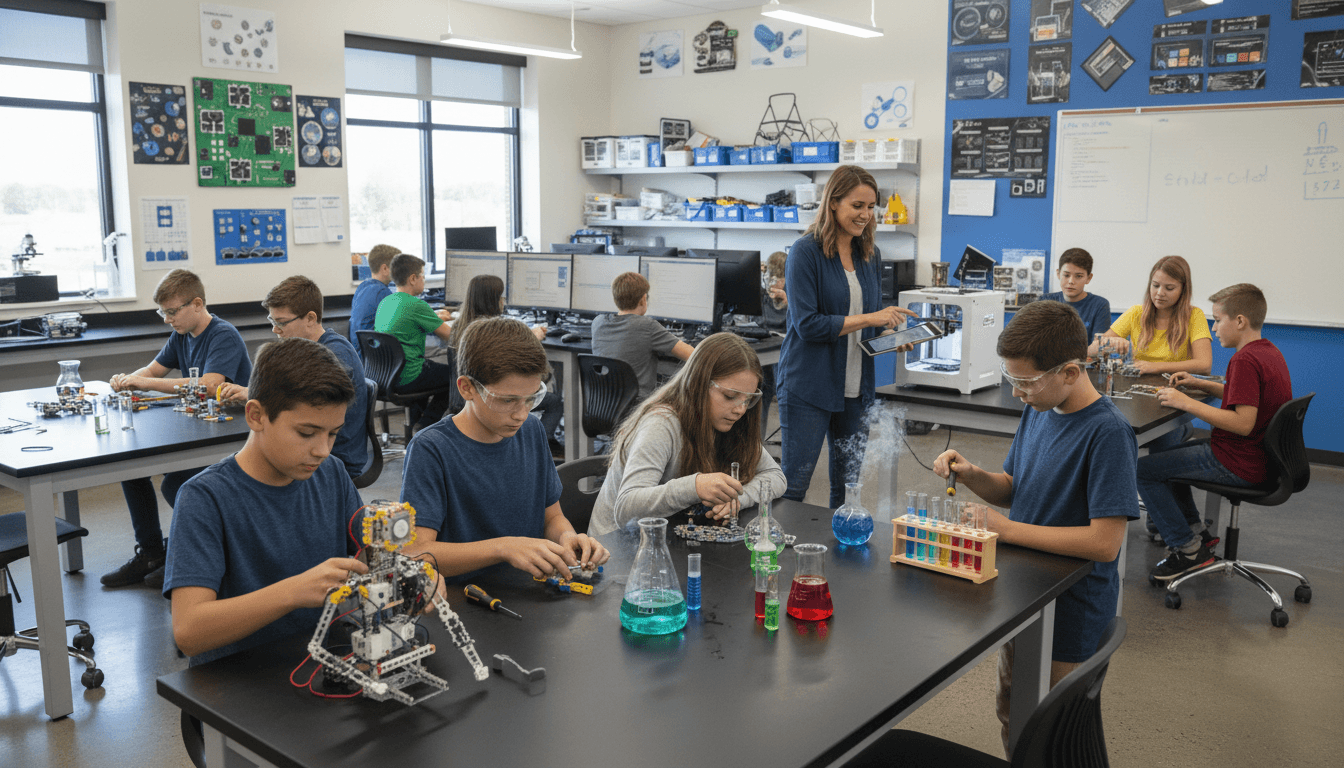
STEM Project-Based Learning Newsletter: Communicating PBL Programs to Families
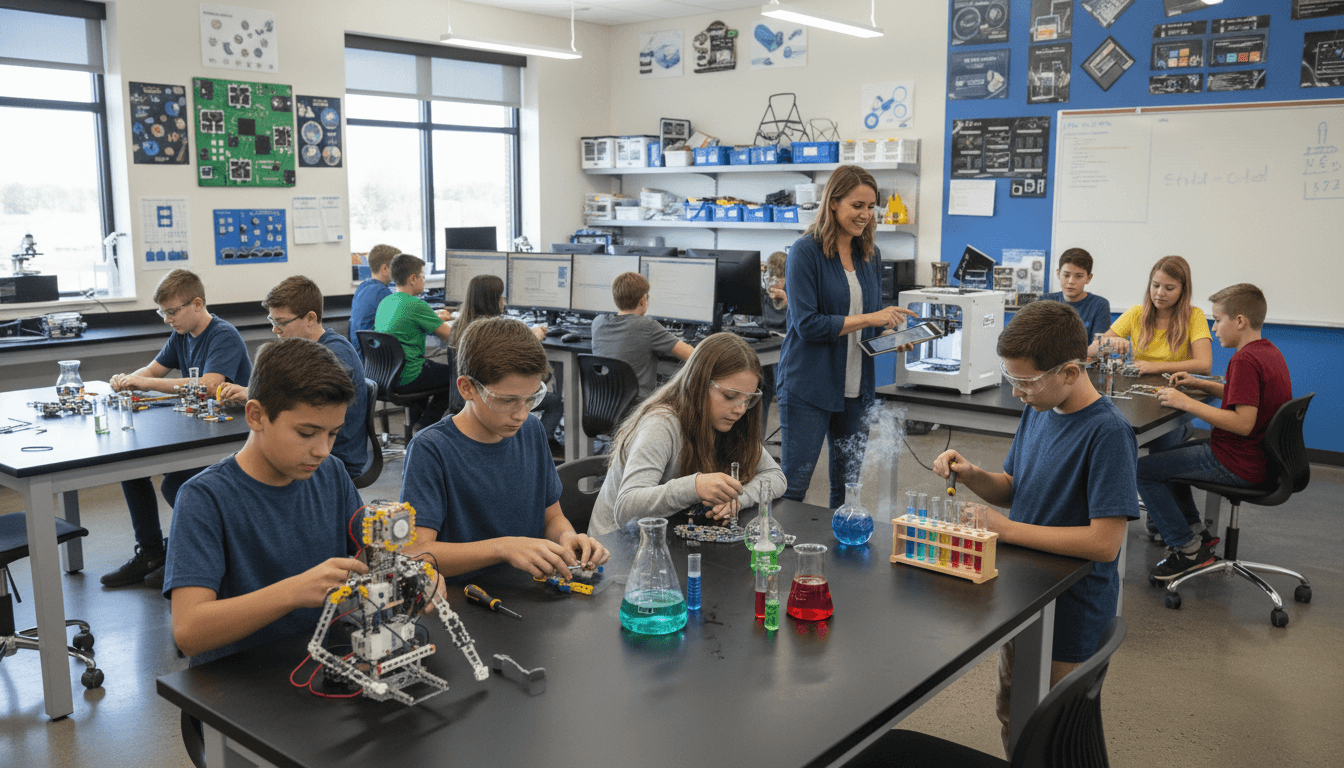
When families hear their child has been working on a single STEM project for three weeks rather than completing multiple chapter tests and assignments, some are supportive and some are concerned. Both reactions are understandable. A newsletter that explains what project-based learning is, why the school uses it, and what students actually learn through it converts both groups into informed partners rather than bystanders or critics.
What project-based learning is and is not
PBL is not unstructured free time where students work on a project instead of learning content. It is a structured instructional approach where content learning happens within the context of a real problem students are investigating. The teacher's role shifts from primary information deliverer to project coach: checking understanding, introducing resources when students encounter a knowledge gap in their project work, and pushing students to think more deeply about their design decisions.
The project is assessed with as much rigor as a traditional test. A rubric evaluates the technical quality of the solution, the evidence that students understand the underlying science or math, the quality of their research, and the clarity of their presentation. Families who understand that PBL is rigorous, not relaxed, have accurate expectations.
The current project: what students are working on
Describe the driving question and the project in plain terms. The driving question is the anchor: the real-world problem students are trying to solve or the question they are investigating. Describe what students have done so far: their initial research, the solutions they have brainstormed, and the prototype or plan they are currently testing or developing.
Include the timeline: when the project started, when milestones are due, and when the culminating presentation or product will be complete. Families who know the timeline can help their student manage the pace of work at home rather than discovering the night before that three more deliverables were due yesterday.
The content students are learning through the project
Name the specific content standards or curriculum goals the project addresses. A water filtration project covers chemistry (chemical properties of filtration materials, solubility, pH), physics (flow rate and fluid dynamics), environmental science (contaminant types and sources), and engineering design (constraints, testing, iteration). Families who see the content list understand that PBL is not circumventing the curriculum. It is covering it through a different vehicle.
The culminating presentation and who will see it
Describe who the audience for the final presentation is. A panel of community members, local professionals, parents, or administrators creates authentic stakes. Students who present to a real audience, not just their teacher, develop communication and professional presentation skills that individual assessments do not require. If families are invited to the presentation event, include the date and logistics. Their presence is part of the authentic audience experience that makes PBL powerful.
How to support your student at home
The most effective support families can provide during a PBL project is interested, specific questioning. Not "how is the project going" but "what did the prototype do that you did not expect?" Not "did you finish" but "what feedback did your team get from the teacher today and what are you going to change?" Students who explain their project to someone outside the classroom consolidate their understanding and often discover gaps in their thinking that they did not notice until they tried to explain it clearly.
Get one newsletter idea every week.
Free. For teachers. No spam.
Frequently asked questions
What is project-based learning in a STEM context?
Project-based learning (PBL) is an instructional approach where students learn by working on extended, real-world projects rather than through direct instruction followed by individual assignments. In STEM, this means students spend weeks or months investigating a real problem, designing and testing solutions, and presenting their work to an authentic audience. Content learning happens within the project context rather than before it. The project is not an activity at the end of a unit. It is the vehicle through which the unit is learned.
How does project-based learning differ from traditional STEM instruction?
Traditional instruction typically follows a sequence: teach the content, practice it, assess it, move to the next topic. PBL follows a different sequence: introduce a driving question or problem, launch students into investigation and design, teach content when students encounter the need for it within the project, and culminate in a public presentation or product. Research consistently shows PBL produces stronger long-term retention and better transfer of skills to new situations than traditional instruction for most students.
What does a STEM PBL project look like in practice?
A middle school STEM PBL project might ask students to design a water purification system for a community without access to clean water, research contamination types and purification methods, build and test prototype filters, calculate material costs, and present to a panel of community members including real engineers or public health professionals. A high school project might ask students to analyze local energy use data and propose a school sustainability plan. The projects are anchored in real questions and produce real artifacts.
How can families support students working on PBL projects at home?
Families can serve as a sounding board. Ask your child to explain what problem they are solving, what solution they are developing, and what the biggest obstacle is right now. Ask what happened when they tested their prototype. Ask what feedback they received from classmates or the teacher and how they will respond to it. These conversations reinforce the reflection and iteration habits that PBL is designed to build. Families do not need to know the content to have these conversations.
How does Daystage help schools communicate STEM PBL programs to families?
Daystage lets teachers send PBL newsletters at project launch (explaining the driving question and what families can expect), at project milestones (when prototypes are being tested, when community feedback is being gathered), and at project culmination (inviting families to the presentation event or sharing photos and outcomes). A newsletter that explains what students are actually working on builds family support for the PBL approach in a way that generic curriculum descriptions never will.

Adi Ackerman
Author
Adi Ackerman is a former classroom teacher and curriculum writer with 8 years in K-8 schools. She writes about school communication, parent engagement, and what actually works in real classrooms.
More for STEM
Ready to send your first newsletter?
3 newsletters free. No credit card. First one ready in under 5 minutes.
Get started free