
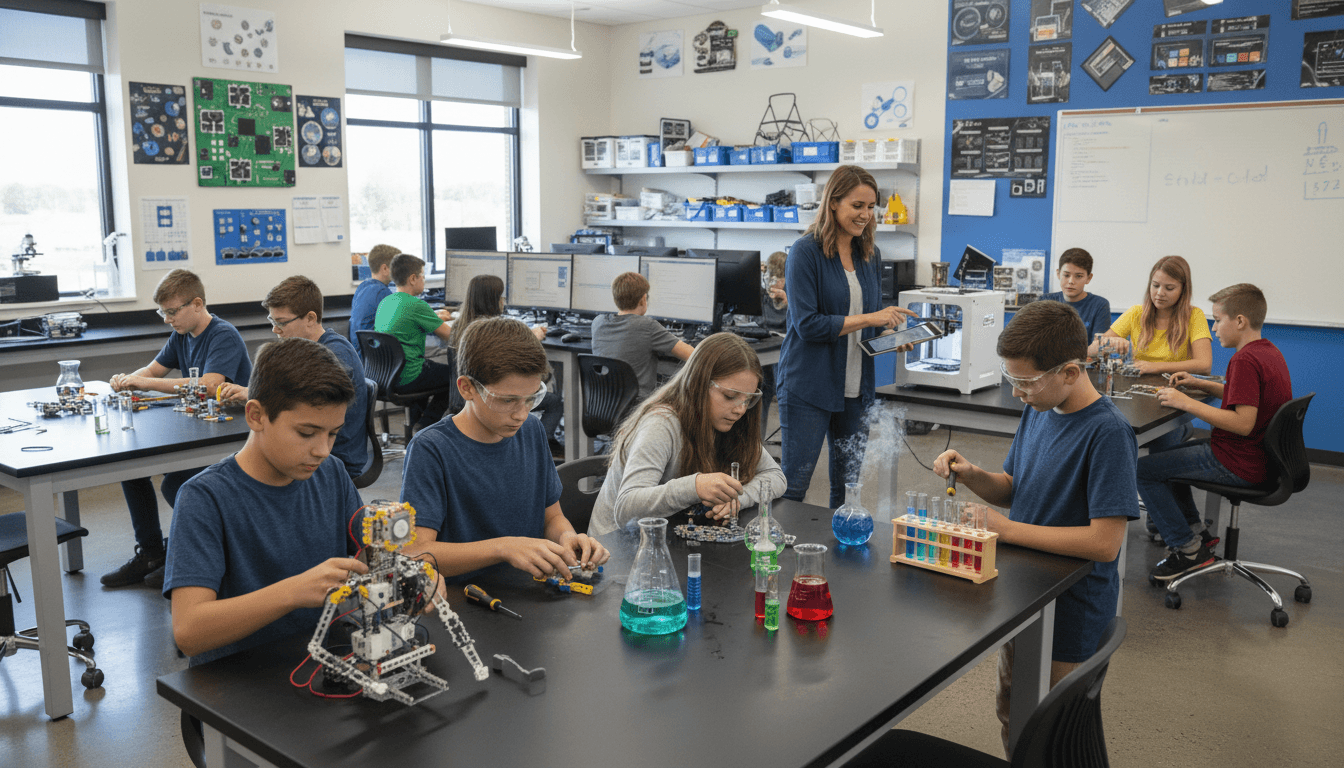
Girls in STEM Newsletter: Supporting Equity in Science and Math
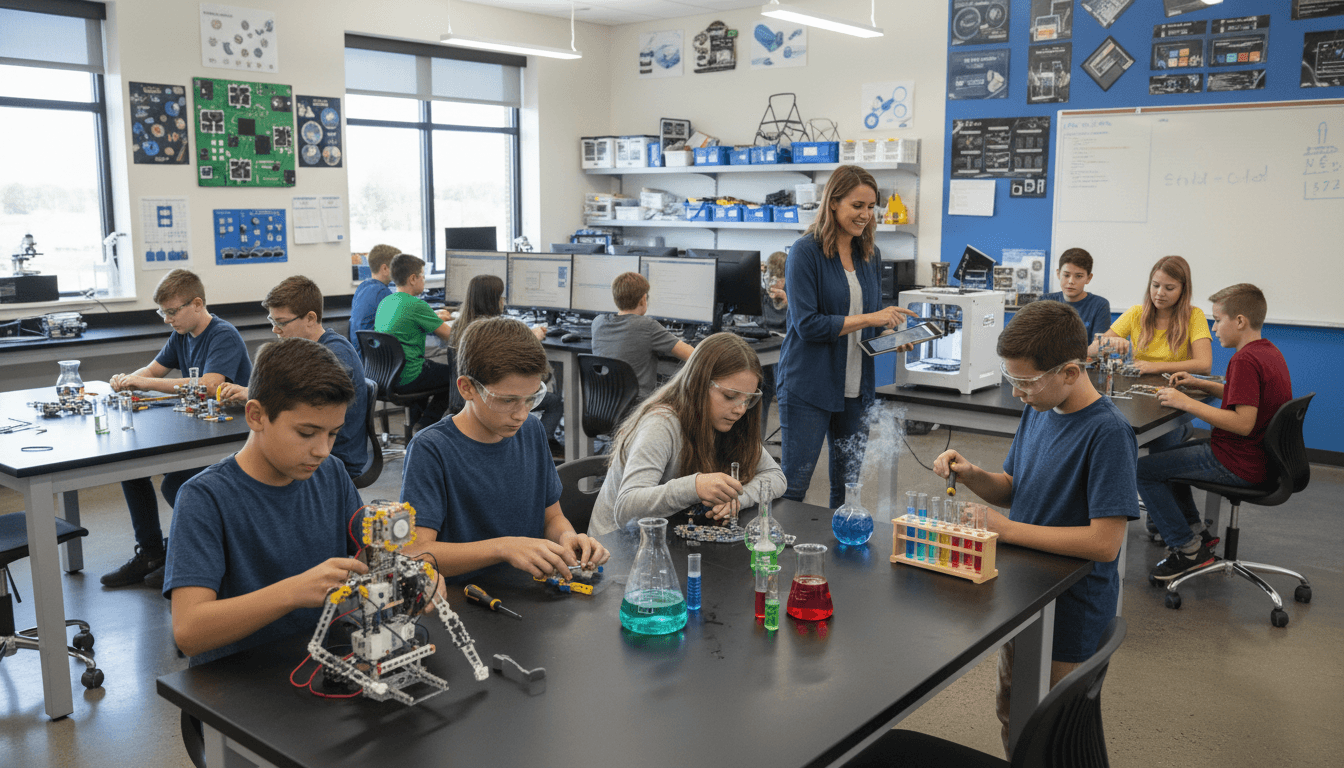
Girls in STEM programs do some of the most important equity work in K-12 education. But the program alone is not enough if the families sending girls home from school every afternoon are getting different messages about who belongs in science, math, and engineering. A newsletter that reaches families directly is one of the most effective tools for building the consistent environment girls in STEM need.
Start by naming what you are doing and why
Some families who enroll their daughter in a girls in STEM program do not fully understand its purpose. They may see it as a fun activity rather than a targeted intervention in a documented pattern. Your first newsletter can explain this without being preachy.
"This program gives girls dedicated time and space to develop STEM skills and identity before the social pressures of middle and high school make that harder. Research shows that girls' STEM confidence drops significantly between fifth and eighth grade, and that programs like this one measurably slow and sometimes reverse that trend. Your daughter is here because we want her to stay." That paragraph is honest, grounded in evidence, and respectful of the family's investment.
Celebrate specific achievements without gendering them
A common mistake in girls in STEM newsletters is celebrating achievements in ways that inadvertently reinforce the idea that girls' success is surprising or special. "Girls showed they can compete with boys in robotics!" is less useful than "our students built the most accurate navigation program in the regional competition."
Celebrate what students did, not the gender context of doing it. The program exists because of a gender gap, but the individual achievements are just achievements. Families who see their daughter's work described without qualification understand that the program produces real results, not just participation trophies.
Connect families to the research without lecturing them
Families who understand why girls in STEM programs exist are stronger partners than families who see the program as a nice opportunity. One or two sentences per newsletter, naming a specific finding, is enough.
"Studies consistently show that girls who have female STEM role models by age twelve are more likely to pursue STEM careers as adults. That is one reason we brought in three STEM professionals to talk with students this month." That sentence does the work without a lecture.
Give families specific language and behaviors to use at home
Families have more influence on girls' STEM identity than most programs acknowledge. How parents talk about math at home, whether they express the belief that science is for specific kinds of people, and how they respond when their daughter says she finds something hard all shape her long-term relationship with STEM subjects.
Your newsletter can offer specific, actionable guidance. "When your daughter says a math problem is too hard, try responding with 'you haven't figured it out yet' rather than 'that's OK, math is hard.' The difference in how students respond to those two sentences over time is documented and significant." Families who receive that kind of specific guidance are more likely to change behavior than families who receive general encouragement to support STEM.
Profile role models through your own students' voices
Many girls in STEM newsletters profile famous women scientists. That approach works, but it keeps the role model abstract. Profiles of the girls in the program itself, written in their own voices, are more immediately compelling.
A brief quote from a student about why she joined the program, what surprised her, or what she wants to build next gives families a window into their daughter's experience and gives the students themselves the experience of being recognized as a scientist or engineer in a published communication. That recognition, small as it seems, is part of what the program exists to create.
Get one newsletter idea every week.
Free. For teachers. No spam.
Frequently asked questions
Why do girls in STEM programs send newsletters to families?
Research consistently shows that family beliefs about who belongs in STEM have a significant effect on girls' interest and persistence in these fields. A newsletter that communicates directly with families about gender equity in STEM, celebrates girls' specific achievements, and names the barriers girls face becomes part of the infrastructure that keeps girls in STEM programs through the years when dropout rates are highest.
What topics should a girls in STEM newsletter cover?
Cover what the program is doing and why, specific student achievements without stereotyping them by gender, opportunities for girls to attend competitions or conferences, role models from STEM careers the students have met or studied, and practical ways families can support a girl's interest in STEM at home. The newsletter should be celebratory without being compensatory.
How do I write about gender equity in STEM without making families defensive?
Focus on opportunity rather than deficit. 'Our program gives every student time to lead, fail, and rebuild' is stronger than 'girls often receive less feedback in STEM classrooms.' The first invites investment. The second triggers defensiveness. Name the research briefly when it is relevant, but center the newsletter on what the program is doing, not on what is wrong with the status quo.
How do I acknowledge the role of unconscious bias without creating conflict with parents?
Refer to research rather than individual behavior. 'Studies show that even teachers who are actively committed to equity sometimes give boys more time to answer questions and more detailed feedback on their work. Our program actively monitors for this.' That framing positions the school as aware and responsive rather than accusatory toward any individual.
How does Daystage help STEM equity program coordinators communicate with families?
Daystage lets program coordinators send targeted newsletters to the families of students in specific programs, so girls in STEM communication reaches the families who are most invested in supporting it.

Adi Ackerman
Author
Adi Ackerman is a former classroom teacher and curriculum writer with 8 years in K-8 schools. She writes about school communication, parent engagement, and what actually works in real classrooms.
More for STEM
Ready to send your first newsletter?
3 newsletters free. No credit card. First one ready in under 5 minutes.
Get started free