
Science Olympiad Newsletter: Team Updates and Events
Science Olympiad newsletters have a complexity challenge that most school newsletters do not: the competition covers 23 different events across disciplines from astronomy to engineering. Your job is to make that breadth feel manageable for families, not overwhelming.
Open the season with a full event overview
Your first newsletter of the year should list all 23 events with a one-line description of each and the two students assigned to it. This single document becomes the reference point families return to all year when they want to know what their child is working on.
Organize the list by category: study events, hands-on lab events, and build events. For each event, name the scientific discipline it covers and the general format, knowledge recall, lab performance, or device testing. That structure helps families understand the range of what the team is preparing.
Focus each issue on two or three specific events
A newsletter that tries to update families on all 23 events becomes a wall of text that no one reads. Pick two or three events each issue and describe what preparation looks like for those specific events in detail. Rotate through the full event list across the season.
"This month's focus events: Fossils, Boomilever, and Experimental Design. The Fossils partners have completed their first pass through the official study guide and are now working through past exam questions. The Boomilever team is on their fourth prototype. Their current design holds 1,400 grams. Their target for competition is 2,000 grams at a 14:1 load-to-weight ratio."
Describe the engineering design iterations happening in build events
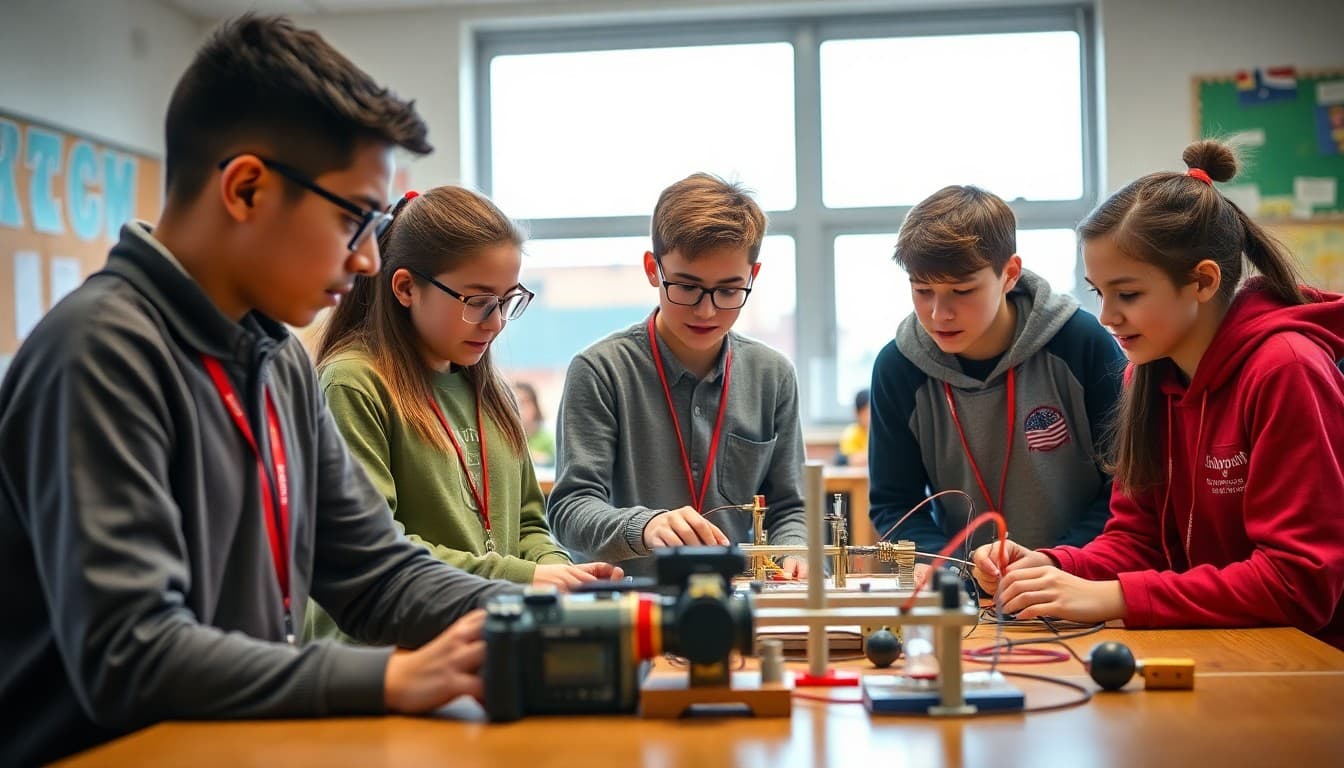
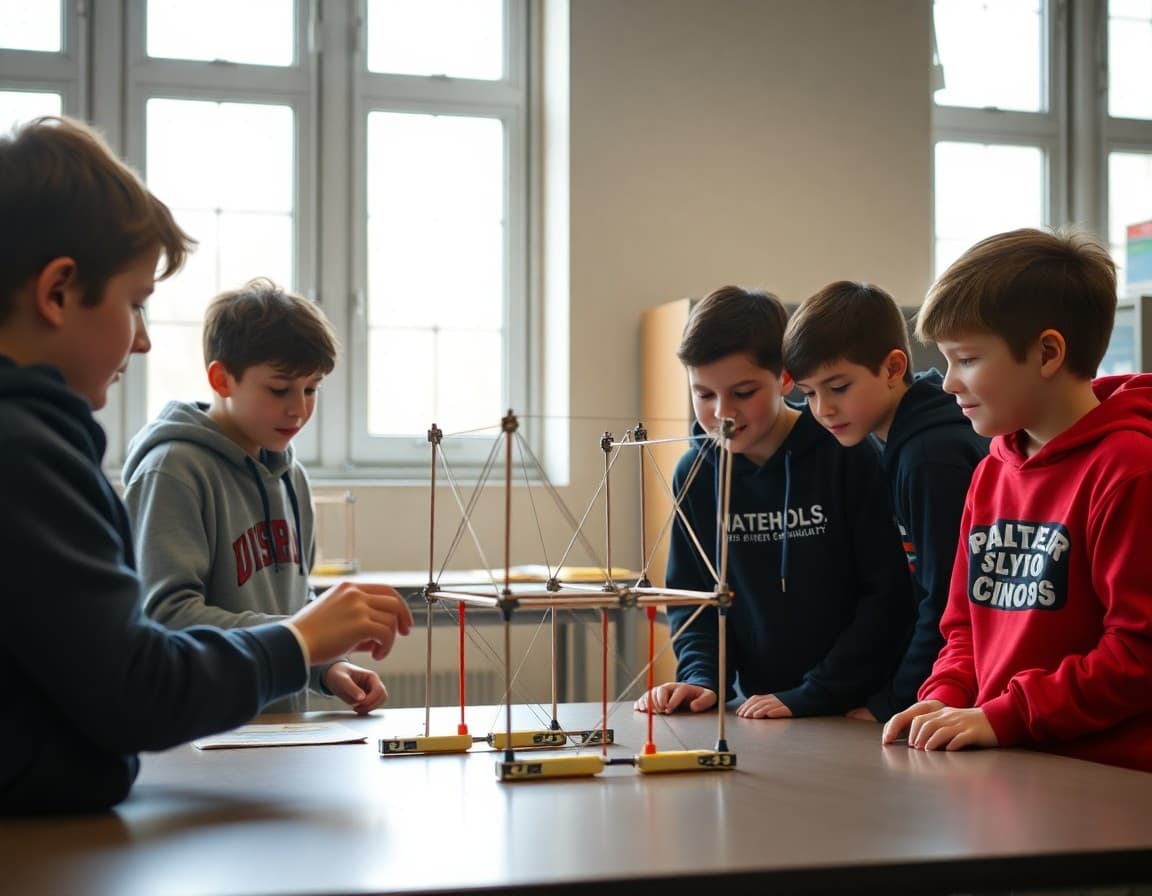
Build events produce some of the most compelling content for newsletters because the iteration process is visible. A photo of prototype one next to prototype eight tells the story of months of engineering work. Include specific numbers: weight, load, flight time, distance.
"The Glider team has flown 47 test flights this semester. Their best flight duration is 38 seconds. The national winning score at last year's competition was 112 seconds. They know where they are and what they need to close. Their current iteration is focused on reducing wing flex during launch, which they identified as the primary source of their duration variance."
Share study event preparation strategies families can support
Study events require extensive knowledge acquisition, and families can actively help by quizzing students using the provided study materials. Give families the specific resources their child is using and suggest a concrete way to help, even if they do not know the content themselves.
"The Anatomy and Physiology partners are working through a 200-page study guide covering the 12 organ systems. If you want to help, ask them to teach you one organ system per week. Students who explain the material to someone else retain it significantly better than students who only re-read their notes."
Sample newsletter template excerpt
Season update from the Science Olympiad coaching staff:
Our invitational tournament is November 9th at Jefferson High School. We expect approximately 18 teams. This is our first scored competition of the year and our primary opportunity to identify which events need the most work before regional in February.
We need parent volunteers for transportation: we have 15 students and need enough vehicles for the team plus equipment. Please reply to this newsletter if you can drive. We also need drivers available by 6:30 AM for a 7:15 departure. Materials and equipment must be loaded the evening before.
Report competition results with context
A place number without context means little to families who do not know how many teams competed or how the scoring works. When you share results, give families the full picture: place out of how many teams, medal threshold, which events produced the best scores, and what the team learned for the next competition.
"We finished 7th out of 22 teams at the invitational. Our strongest events were Fossil Record (3rd place) and Chemistry Lab (4th place). Our weakest events were Boomilever (18th) and Dynamic Planet (14th). We have specific improvement plans for both."
Build family support into the communication plan
Science Olympiad teams need materials, transportation, and sometimes workspace outside of school. A newsletter that makes specific, concrete asks gets better response than one that gives a general call for help. "We need scrap wood, PVC pipe, balsa sheets, and metal wire for build event prototyping. If you have any of those in your garage, we will take them. Contact us at the email below."
Get one newsletter idea every week.
Free. For teachers. No spam.
Frequently asked questions
What is Science Olympiad and how is the competition structured?
Science Olympiad is a national STEM competition for middle and high school teams. Each team has 15 members who compete in 23 events across three categories: science and study events requiring content knowledge, hands-on lab events, and engineering build events where teams construct devices in advance and test their performance. Events cover biology, chemistry, physics, earth science, technology, and engineering. Invitational, regional, state, and national tournaments are held throughout the school year.
How do teams prepare for 23 different Science Olympiad events?
Teams assign two or three students to each event, and those students become the subject experts for the year. Study event partners read official texts, practice past exams, and take mock tests. Build event partners research designs, source materials, test prototypes, and refine their device over months of iterations. Lab event partners practice experimental techniques and measurement precision. Most competitive teams practice three to five days per week during peak season, with individual event pairs meeting additionally on their own.
What build events are typically part of Science Olympiad?
Build events change each year but commonly include Boomilever (a cantilever structure tested for load-to-weight ratio), Glider (free-flight planes for maximum duration), Tower (a structure tested for maximum load), Scrambler (a device that decelerates an egg to a stop), and Wright Stuff (rubber-band-powered planes). These events require extensive prototyping, material testing, and data-driven iteration over the full season. Students often build ten to twenty versions of a device before competition.
Can students with no prior STEM competition experience join Science Olympiad?
Yes. Most teams include students at various experience levels. Beginners are often assigned to study events where reading and memorization are primary skills while they learn how the competition works. As students gain experience, they move into more technically demanding events. Many Science Olympiad coaches intentionally recruit students from different academic strengths because a 23-event competition needs students who excel in biology, physics, chemistry, and engineering, rarely all the same students.
How does Daystage help Science Olympiad coaches communicate with families?
Daystage lets Science Olympiad coaches send structured newsletters with competition schedules, event descriptions, and tournament results in a format families can read quickly. Coaches who send regular updates through Daystage report that families show up better informed to tournaments and are more willing to help with transportation and build materials when they understand exactly what the team needs.

Adi Ackerman
Author
Adi Ackerman is a former classroom teacher and curriculum writer with 8 years in K-8 schools. She writes about school communication, parent engagement, and what actually works in real classrooms.
More for STEM
Ready to send your first newsletter?
3 newsletters free. No credit card. First one ready in under 5 minutes.
Get started free