
Rhode Island STEM Program Newsletter: Local Resources and Guide
Rhode Island is the smallest state in the country but has STEM resources that significantly exceed its size. World-class oceanographic research at URI, one of the Navy's premier undersea warfare research facilities in Newport, Brown University's biomedical research, and the developing offshore wind industry in Narragansett Bay all create STEM connections that are accessible to every Rhode Island student. A newsletter that maps those connections to classroom learning gives RI families a vivid local picture of STEM education's purpose.
URI Graduate School of Oceanography
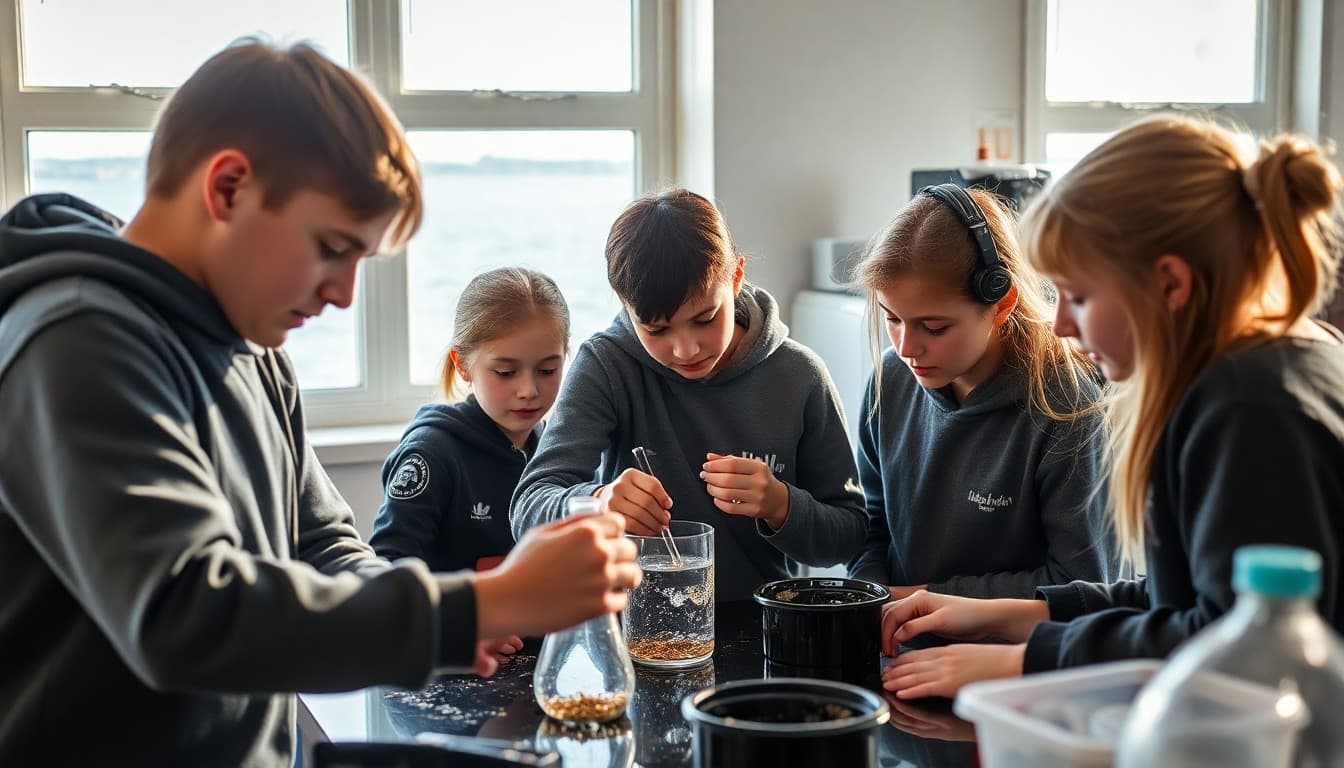
The University of Rhode Island's Graduate School of Oceanography in Narragansett is one of the world's top oceanographic research institutions. It conducts research on deep sea geology, ocean chemistry, biological oceanography, and climate science. URI Sea Grant connects school programs to ongoing ocean research. For Rhode Island students, world-class ocean science is happening in their state, and careers in marine science and ocean engineering are locally visible.
Naval Undersea Warfare Center Newport
NUWC Newport is the Navy's primary research, development, and engineering center for all aspects of undersea warfare. It employs electrical engineers, ocean engineers, computer scientists, and systems engineers who design and test sonar systems, torpedoes, and autonomous undersea vehicles. For Rhode Island students interested in engineering with a defense technology focus, NUWC is a major local employer.
Offshore wind and ocean engineering
The Block Island Wind Farm, completed in 2016, was the first offshore wind farm in the United States and it is in Rhode Island. The Vineyard Wind and other New England offshore developments are expanding the industry. Ocean engineering, environmental monitoring, and marine energy careers are growing in Rhode Island. The proximity to active offshore wind development makes this a real and accessible career conversation for RI students.
Brown University and biomedical research
Brown University's School of Engineering and School of Public Health conduct active biomedical research. Brown's Carney Institute for Brain Science and Warren Alpert Medical School create health science and engineering careers in Providence. Brown runs K-12 outreach programs including science clubs and research mentorship opportunities for local students.
Template: Rhode Island STEM newsletter excerpt
"This semester our ocean science unit is using real data from URI's oceanography research station in Narragansett Bay. Students are analyzing water temperature, salinity, and dissolved oxygen data from the past decade. Rhode Island is also home to the Block Island Wind Farm, the first offshore wind farm in the US. An ocean engineer from the offshore wind industry is visiting in March to talk about careers in marine energy. The Rhode Island Science and Engineering Fair registration opens this month as well."
Rhode Island STEM competitions
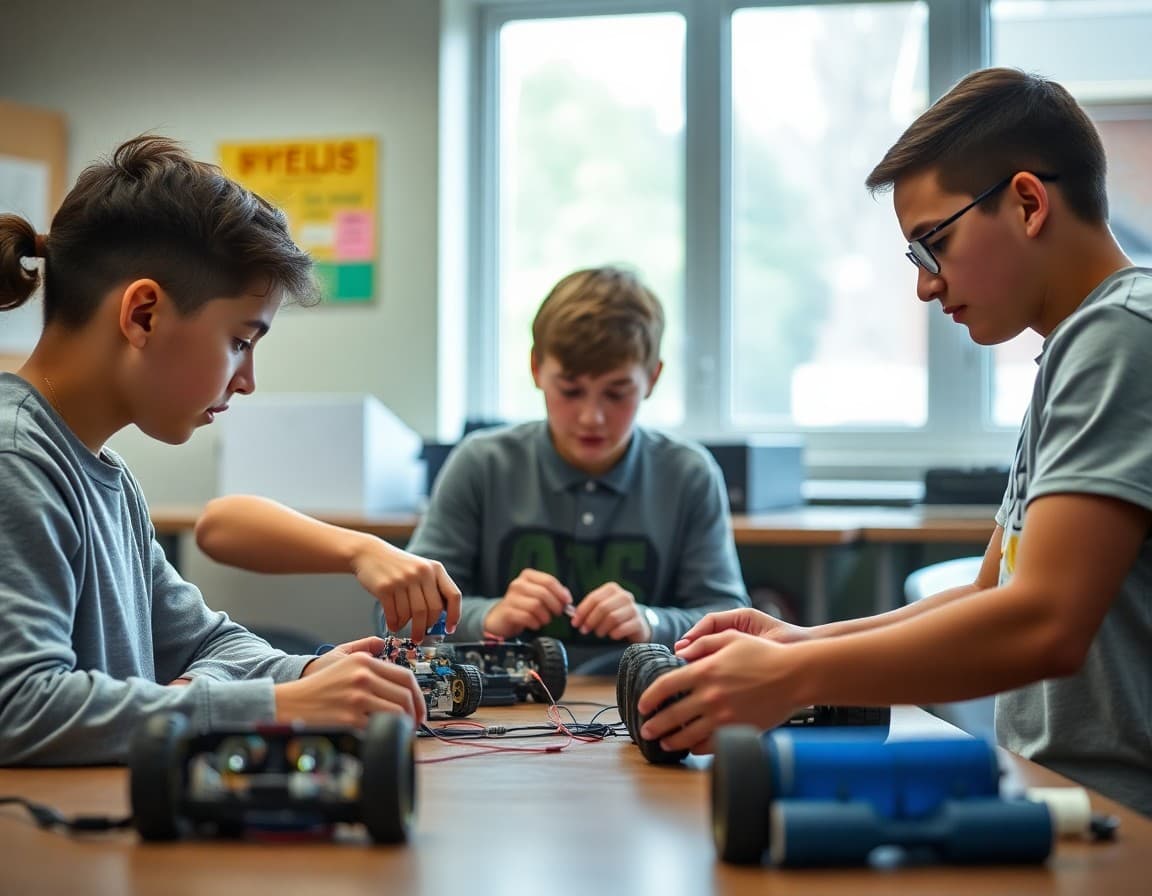
FIRST Robotics RI holds New England regional events. Science Olympiad RI runs state competitions. The Rhode Island Science and Engineering Fair connects to ISEF. For Rhode Island's size, the density of university and research institution resources means students have access to mentors and programs that are harder to find in larger, more dispersed states.
Daystage makes it easy to communicate the surprisingly rich Rhode Island STEM landscape to families throughout the school year.
Get one newsletter idea every week.
Free. For teachers. No spam.
Frequently asked questions
What STEM resources are available to Rhode Island students?
Rhode Island has the Rhode Island Innovative Policy Lab and support from the RI Department of Education. Brown University, URI, and RISD run K-12 STEM and STEAM outreach. The Naval Undersea Warfare Center in Newport is a major defense technology employer. The Graduate School of Oceanography at URI is world-class. Ocean State Job Lot and Gilbane Building have supported education. RI STEM is an advocacy network connecting schools to industry.
What industries drive STEM careers in Rhode Island?
Rhode Island has significant defense technology through the Naval Undersea Warfare Center in Newport, which conducts sonar and undersea warfare research. The ocean technology sector is growing with URI's oceanographic research and the Rhode Island Coastal Resources Management Council. Brown University creates a biomedical research economy in Providence. The design and manufacturing sector, while smaller than historically, employs engineers and materials scientists.
How does the Naval Undersea Warfare Center connect to RI STEM?
NUWC Newport is one of the Navy's primary undersea warfare research and development facilities. It employs electrical engineers, ocean engineers, computer scientists, and systems engineers who develop sonar technology, torpedo systems, and undersea vehicles. For Newport and south county Rhode Island students, NUWC is a significant local employer of STEM professionals with active community and education ties.
What ocean science STEM resources exist in Rhode Island?
URI's Graduate School of Oceanography is one of the world's leading ocean research institutions. Rhode Island Sea Grant connects school science to ocean research. The Newport Marine Biology Laboratory has historical significance in American science. The Block Island and Narragansett Bay environments provide outstanding field science contexts. Offshore wind development in the Providence Eleventh Hour offshore wind zone creates new engineering careers.
How can Daystage support Rhode Island STEM programs?
Daystage helps Rhode Island STEM teachers in Providence urban schools, Newport coastal communities, and rural western RI schools communicate consistently with families. Rhode Island is small enough that state-level STEM events are accessible to most schools. Newsletters through Daystage that highlight Brown, URI, and NUWC programs help families in every part of the state understand the STEM resources available to their students.

Adi Ackerman
Author
Adi Ackerman is a former classroom teacher and curriculum writer with 8 years in K-8 schools. She writes about school communication, parent engagement, and what actually works in real classrooms.
More for STEM
Ready to send your first newsletter?
3 newsletters free. No credit card. First one ready in under 5 minutes.
Get started free