

North Dakota STEM Program Newsletter: Local Resources and Guide
North Dakota's STEM career landscape is anchored by energy on both ends of the spectrum: oil production in the west and wind energy across the state. The Bakken formation transformed North Dakota into one of the top oil-producing states in the country. Wind turbines now dot the same prairies. Both industries need engineers, geoscientists, and data specialists. A STEM newsletter that connects classroom learning to that energy economy gives North Dakota families a highly relevant picture of what STEM education leads to.
The Bakken formation and petroleum engineering
The Williston Basin's Bakken shale formation made North Dakota one of the top oil-producing states in America within a decade of hydraulic fracturing technology deployment. The industry employs petroleum engineers, geoscientists, environmental monitors, and data analysts. The boom-bust nature of oil markets is itself an economics and systems science lesson.
For students in western North Dakota especially, the connection between geology, chemistry, and engineering education and the industry that drives their regional economy is direct and visible.
Wind energy: North Dakota's clean energy future
North Dakota generates more than 30% of its electricity from wind, making it one of the leading wind energy states per capita. The state has exceptional wind resources and significant installed capacity. Wind energy engineering, turbine maintenance technology, and grid management are career fields that are growing in North Dakota. For students interested in engineering with a clean energy focus, North Dakota is actually a strong local market.
Agricultural science and NDSU
North Dakota State University is one of the leading agricultural research universities in the country. Its research in wheat genetics, crop pathology, and precision agriculture connects to the farming communities that form the backbone of North Dakota's economy. NDSU Extension reaches schools across the state with agricultural science resources. For farming communities, connecting STEM to what families do is the most natural and motivating approach to science education.
UND and aviation STEM
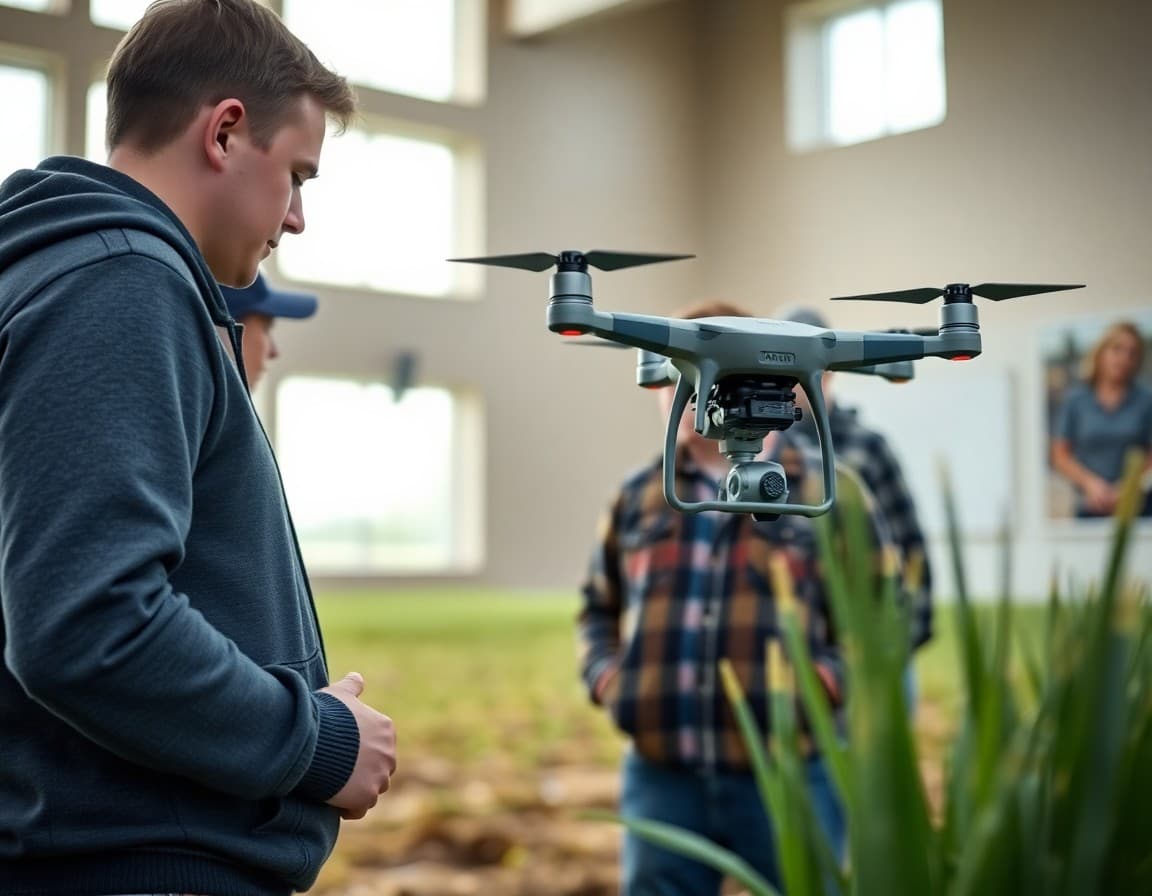
The University of North Dakota has one of the premier aviation programs in the United States. UND Aerospace trains commercial and military pilots and aviation technology professionals. North Dakota also has drone regulation testing grounds and is a leader in unmanned aerial systems (UAS) policy and technology. For students interested in aviation and drone technology, UND and North Dakota's UAS industry create accessible local pathways.
Template: North Dakota STEM newsletter excerpt
"This semester our earth science class is studying geology and energy resources, connected to the Bakken formation that has made North Dakota one of the top oil-producing states in the country. We also have a unit on wind energy engineering. A petroleum geoscientist and a wind energy engineer are each visiting our class this semester. Both careers connect directly to what we are studying. The North Dakota Science Fair registration is open. Students who want to compete should speak to their teacher by the end of the month."
North Dakota STEM competitions
Science Olympiad ND runs state competitions. The ND Science and Engineering Fair has middle and high school divisions connecting to ISEF. FIRST Robotics ND teams compete in regional events. NDSU and UND host academic competitions for high school students. For a rural state with dispersed population, having clear information about competition access and transportation in your newsletter helps families plan participation.
Daystage makes it easy to send consistent newsletters that keep North Dakota families connected to STEM programs, competitions, and the local energy industry career landscape throughout the year.
Get one newsletter idea every week.
Free. For teachers. No spam.
Frequently asked questions
What STEM resources are available to North Dakota students?
North Dakota has the ND STEM Education Consortium and support from the NDDPI. The University of North Dakota and North Dakota State University both run K-12 STEM outreach. The Bakken oil fields have created petroleum engineering and geoscience careers. Wind energy is a major ND employer. The Aerospace Foundation at UND supports aviation education. USAF Minot Air Force Base creates defense technology career connections.
How does the energy industry connect to North Dakota STEM?
North Dakota is one of the nation's top oil producers thanks to the Bakken shale formation. The state also leads in wind energy generation per capita. Petroleum engineering, geology, environmental science, and chemical engineering are all active career fields. Renewable energy engineering is growing. For North Dakota students, the energy industry is the state's most significant economic sector and it runs on STEM.
What agricultural science STEM opportunities exist in North Dakota?
North Dakota is the nation's top producer of wheat, sunflowers, and numerous other crops. NDSU is one of the country's leading agricultural research universities. Precision agriculture, crop genetics, and food science are major career fields. The NDSU Extension Service connects school science programs to agricultural research. For students in farming communities, agricultural STEM connects to both family traditions and future careers.
What STEM competitions are active in North Dakota?
North Dakota has Science Olympiad chapters with state competitions. The ND Science and Engineering Fair connects to ISEF. FIRST Robotics ND teams exist in several districts. UND and NDSU host student research competitions and academic events. FFA science and technology competitions are strong given the state's agricultural identity. For a sparsely populated state, ND has solid STEM competition infrastructure.
How can Daystage support North Dakota STEM programs?
Daystage helps North Dakota STEM teachers in the Fargo-Bismarck urban corridor and in small rural schools communicate consistently with families. For schools in oil patch communities, newsletters connecting science curriculum to petroleum engineering careers resonate with families whose economy depends on that industry. For agricultural communities, precision farming and food science connections build direct relevance.

Adi Ackerman
Author
Adi Ackerman is a former classroom teacher and curriculum writer with 8 years in K-8 schools. She writes about school communication, parent engagement, and what actually works in real classrooms.
More for STEM
Ready to send your first newsletter?
3 newsletters free. No credit card. First one ready in under 5 minutes.
Get started free