
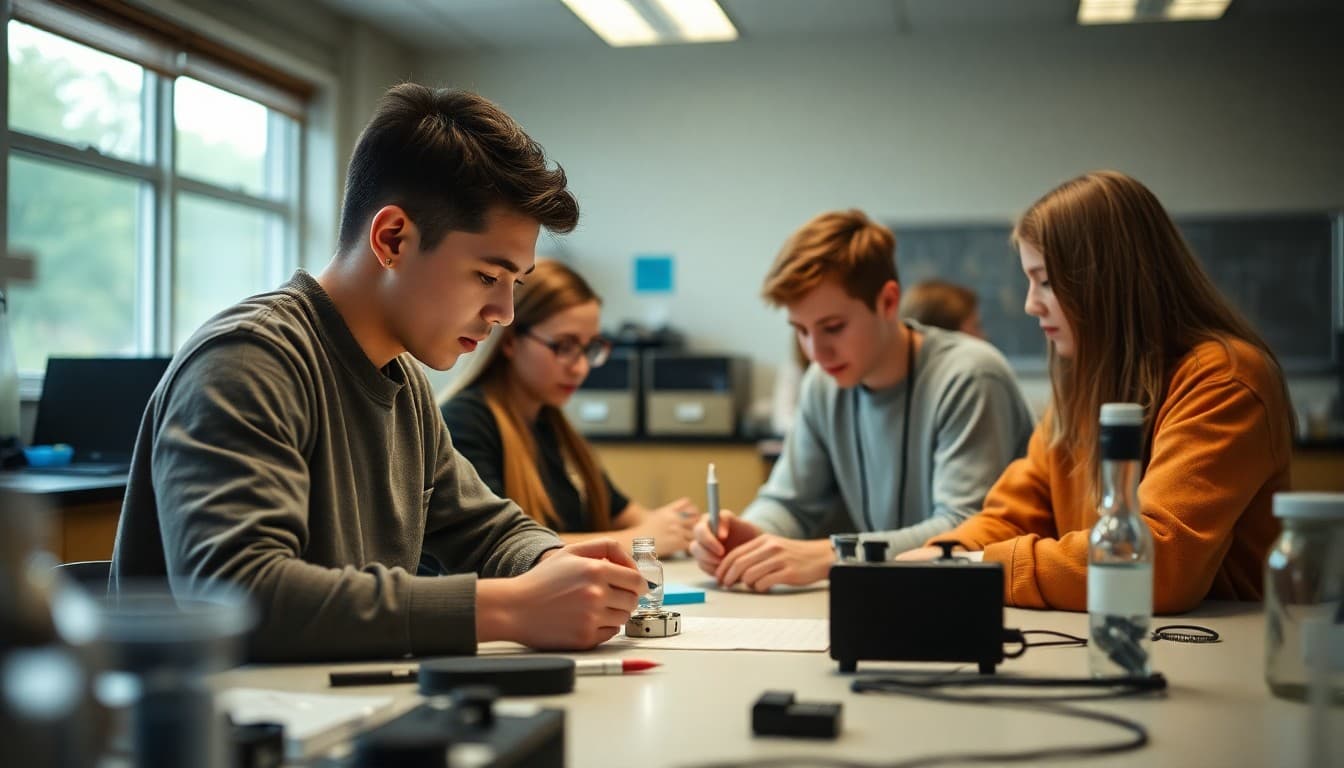
Minnesota STEM Program Newsletter: Local Resources and Guide
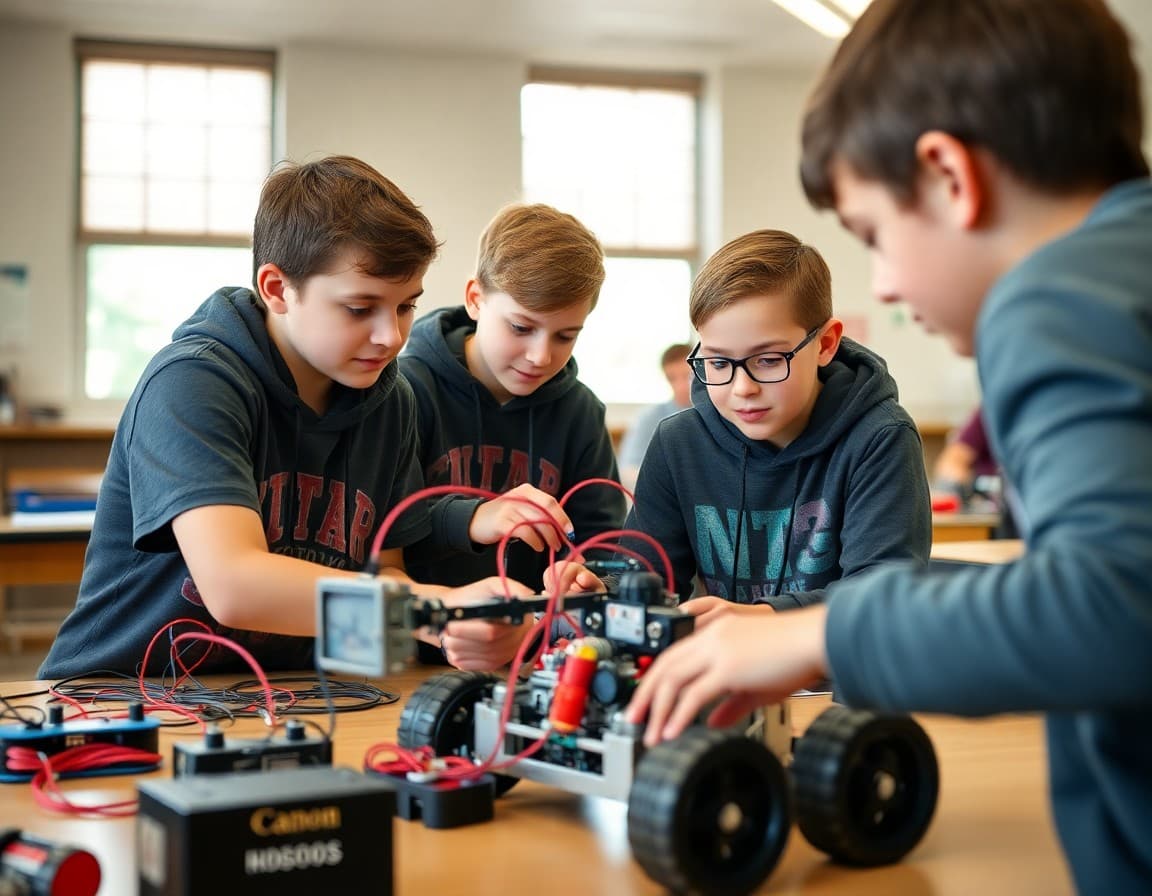
Minnesota is the medical device capital of the world. More medical device companies are headquartered here than anywhere else, and Mayo Clinic is one of the most famous medical institutions on earth. For Minnesota STEM students, the connection between what they learn in biology, chemistry, and physics and what the state's most important industries do is direct and compelling. A newsletter that makes that connection clear gives families a specific reason to invest in STEM education.
The medical device industry: Minnesota's STEM anchor
Medtronic, headquartered in Dublin but with major Minnesota operations, is the world's largest medical device company. Boston Scientific has a major Minnesota presence. Smiths Medical, Teleflex, and hundreds of smaller medical device companies operate in the Twin Cities area. The medical device industry employs biomedical engineers, electrical engineers, software engineers, and materials scientists. For Minnesota students interested in both science and healthcare, this industry is a direct and accessible career pathway.
Mayo Clinic and biomedical research
Mayo Clinic in Rochester is one of the world's most respected medical institutions. It conducts research in precision medicine, genomics, cancer treatment, and health technology. Mayo's biomedical research connects directly to high school biology, chemistry, and statistics content. For southeastern Minnesota students, Mayo is a local institution that employs thousands of scientists, engineers, and healthcare technology specialists.
3M and materials science
3M, headquartered in Maplewood, develops materials, adhesives, coatings, and healthcare products. It is one of the world's most innovative materials science companies. The Post-it Note, Scotch tape, and thousands of other products were invented at 3M. For chemistry and materials science students in Minnesota, 3M is a tangible example of what industrial chemistry looks like and a significant local employer.
Clean energy in Minnesota
Minnesota has strong wind energy infrastructure and is expanding solar energy rapidly. Xcel Energy, a major Minnesota utility, has committed to 100% clean electricity by 2050. Clean energy engineering and environmental science careers are growing in Minnesota. The University of Minnesota's Institute on the Environment connects school science to real sustainability research.
Template: Minnesota STEM newsletter excerpt
"This semester our biology class is studying biomedical engineering with a focus on how medical devices work. Minnesota has more medical device companies per capita than anywhere in the world. We have a biomedical engineer from a local company visiting in November to talk about how they design devices that work inside the human body. We are also reminding families that the Minnesota State Science Fair registration is open. Students interested in competing should discuss their project ideas with their teacher this month."
University of Minnesota and STEM pathways
The University of Minnesota is a Big Ten research university with strong engineering, medical, and biological science programs. It has direct partnerships with Minnesota's medical device and technology industries. The U of M runs K-12 outreach programs and offers dual enrollment for high school students. For Minnesota families, the University of Minnesota is an accessible in-state option with direct career connections to the state's major industries.
Daystage makes it easy to build a consistent newsletter series that keeps Minnesota families connected to the state's extraordinary STEM career landscape throughout the year.
Get one newsletter idea every week.
Free. For teachers. No spam.
Frequently asked questions
What STEM resources support Minnesota students?
Minnesota has the Minnesota STEM Partnership and strong support from the Minnesota Department of Education. The University of Minnesota runs extensive K-12 STEM outreach. Medtronic, Boston Scientific, and 3M have education programs. Mayo Clinic in Rochester offers school visits and science programs. The Science Museum of Minnesota in St. Paul is one of the country's best science museums and offers school programs. The Bakken Museum in Minneapolis focuses on electricity and medical technology history.
How does the medical device industry connect to Minnesota STEM education?
Minnesota has one of the world's highest concentrations of medical device companies. Medtronic, Boston Scientific, St. Jude Medical, and hundreds of smaller companies are headquartered or operate in Minnesota. These companies employ biomedical engineers, electrical engineers, materials scientists, and regulatory specialists. For Minnesota students interested in combining biology and engineering, the medical device industry offers a direct local career pathway.
What is Mayo Clinic's role in Minnesota STEM education?
Mayo Clinic in Rochester is one of the world's most famous medical institutions and conducts active research across medicine, genomics, and health technology. Mayo runs education programs including school visits, student programs, and community health education. For southeast Minnesota students especially, Mayo represents a world-class STEM career destination and education resource right in their region.
What STEM competitions are active in Minnesota?
Minnesota has strong FIRST Robotics teams with state championship events. Science Olympiad Minnesota runs competitive state programs. The Minnesota State Science and Engineering Fair connects to ISEF. The Minnesota Junior Academy of Science holds an annual meeting. MATHCOUNTS Minnesota has strong participation. The Twin Cities area has particularly active competition communities for all major STEM competitions.
How can Daystage support Minnesota STEM programs?
Daystage helps Minnesota STEM teachers in the Twin Cities metro, Rochester medical corridor, and rural Minnesota communities all communicate consistently with families. For schools near medical device companies, newsletters connecting science curriculum to biomedical engineering careers resonate with families whose communities are anchored by those industries. Consistent newsletters through Daystage build the family engagement that strong STEM programs need.

Adi Ackerman
Author
Adi Ackerman is a former classroom teacher and curriculum writer with 8 years in K-8 schools. She writes about school communication, parent engagement, and what actually works in real classrooms.
More for STEM
Ready to send your first newsletter?
3 newsletters free. No credit card. First one ready in under 5 minutes.
Get started free