
Maine STEM Program Newsletter: Local Resources and Guide
Maine's STEM identity is deeply maritime. The ocean is not just a backdrop here. It is an economy, an ecosystem under active scientific study, and an engineering frontier as offshore wind development begins in the Gulf of Maine. A STEM newsletter that connects classroom learning to those marine and environmental contexts gives Maine families a compelling and authentic reason to value STEM education.
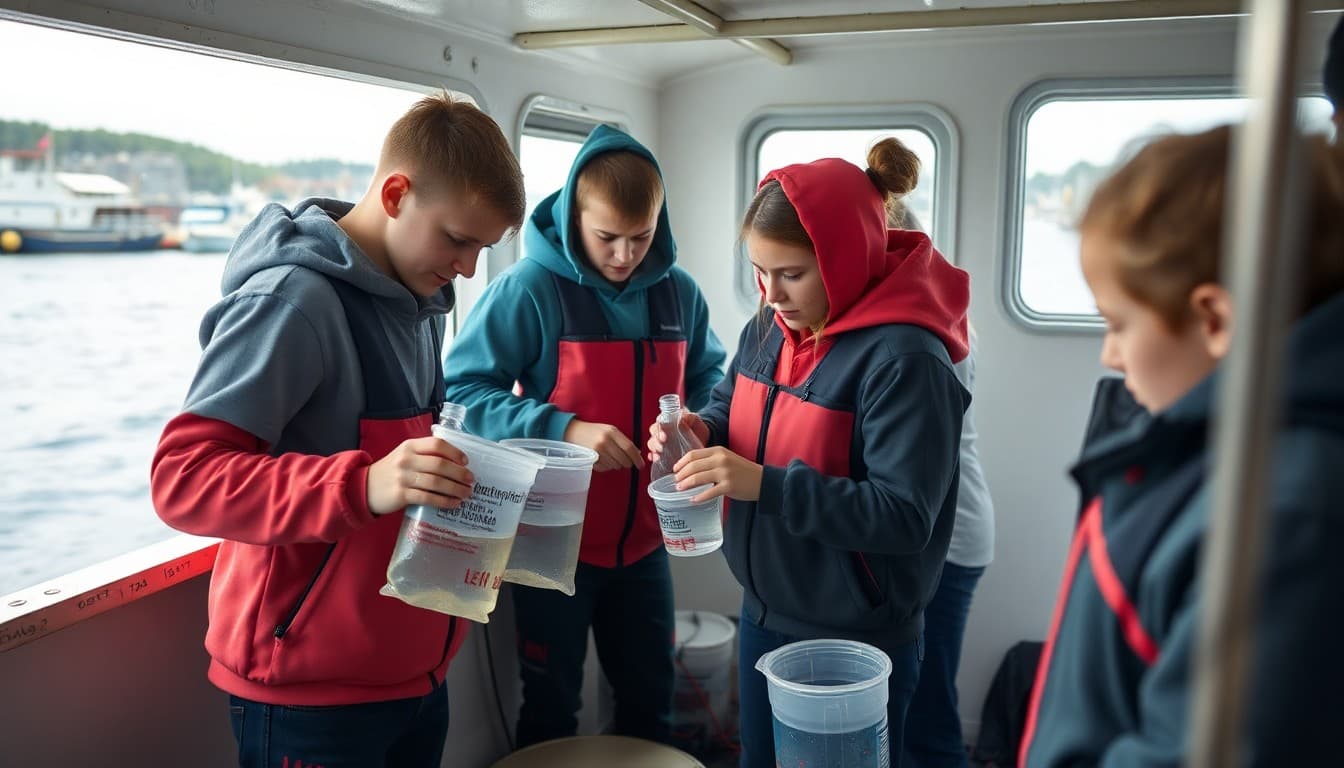
The Gulf of Maine and ocean science
The Gulf of Maine is one of the most intensively studied marine ecosystems in the world. It is also warming faster than almost any other ocean region on earth, creating changes in lobster populations, fish distributions, and marine biodiversity that affect Maine's economy directly. The Gulf of Maine Research Institute partners with Maine schools to bring real ocean data into classrooms.
For students in coastal communities, studying ocean science is not an abstract exercise. It is learning about the system that their families' livelihoods depend on, and about the scientific questions that determine whether those livelihoods are sustainable.
Jackson Laboratory: world-class genetics in Maine
The Jackson Laboratory in Bar Harbor is one of the world's leading genetics research institutions. It maintains the largest repository of mouse genetic models in the world and conducts research on cancer, aging, and rare diseases. JAX runs education programs for Maine teachers and students, including summer institutes that bring high school students onto the research campus. For Maine students interested in biology and medicine, JAX is a world-class resource right in their state.
Offshore wind: Maine's emerging engineering frontier
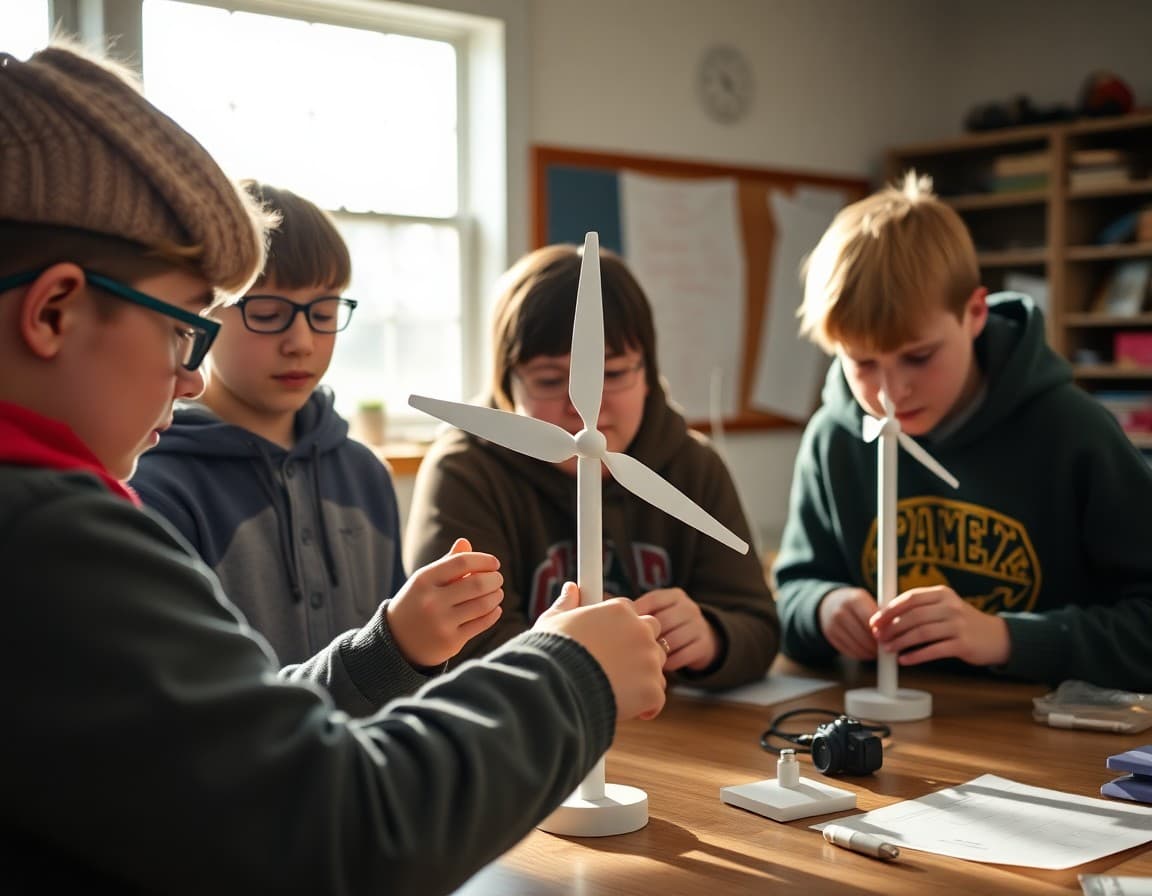
Maine is at the forefront of offshore floating wind technology. The University of Maine designed the nation's first offshore floating wind turbine prototype deployed in US waters. As the Gulf of Maine develops as a wind energy region, it will need marine engineers, environmental scientists, and electrical engineers. This is an emerging career opportunity that is specific to Maine and worth communicating to families.
Aquaculture and marine technology careers
Maine is a major aquaculture producer, particularly in oysters, mussels, and Atlantic salmon. Aquaculture requires marine biology, water quality science, and aquaculture engineering. The Maine Aquaculture Association and the University of Maine's Darling Marine Center support aquaculture education. For students interested in biology with a desire to stay connected to Maine's coastal economy, aquaculture science is a career pathway worth knowing.
Template: Maine STEM newsletter excerpt
"This semester our environmental science class is using real data from the Gulf of Maine Research Institute to study how ocean temperature changes affect marine species distributions. We are comparing lobster catch data from the past 30 years to temperature data to look for patterns. We also have a researcher from the Jackson Laboratory visiting in November to talk about genetics research careers. For students interested in biology, this is a conversation worth attending."
University of Maine STEM pathways
The University of Maine in Orono has strong programs in ocean engineering, marine sciences, computer engineering, and forestry and natural resources. UMaine's Advanced Manufacturing Center and engineering programs connect to Maine's paper, composites, and boatbuilding industries. For Maine families planning for college STEM, UMaine offers strong in-state options with direct connections to Maine's economy.
Daystage makes it easy to build a year-round newsletter series that connects Maine families to ocean science, energy careers, and the competitions available to their students.
Get one newsletter idea every week.
Free. For teachers. No spam.
Frequently asked questions
What STEM resources are available to Maine schools?
Maine has the Maine Science, Technology, Engineering, and Math (STEM) Initiative. The University of Maine System runs K-12 outreach including the Maine Center for Coastal Fisheries education programs. The Gulf of Maine Research Institute partners with schools. The Jackson Laboratory in Bar Harbor conducts world-class genetics research with school programs. The Island Institute supports island community STEM education.
How does Maine's ocean economy connect to STEM education?
Maine's economy has deep ties to the ocean through lobstering, aquaculture, commercial fishing, and marine technology. Marine biology, ocean chemistry, fisheries management, and marine engineering are all active career fields in Maine. The Gulf of Maine Research Institute provides real ocean data and school partnership programs. For coastal Maine students, ocean science is career-relevant in a direct way.
What clean energy STEM opportunities exist in Maine?
Maine has set ambitious renewable energy goals and is developing offshore wind energy in the Gulf of Maine. The University of Maine is leading research on offshore floating wind platforms. The Maine Offshore Wind Research Consortium involves engineering, environmental science, and policy researchers. For Maine students interested in engineering and environmental science, offshore wind is an emerging career opportunity specific to Maine.
What STEM competitions are active in Maine?
Maine hosts FIRST Robotics regional events with strong participation especially in southern Maine. Science Olympiad Maine has active chapters. The Maine State Science Fair connects to ISEF. The Maine Mathematics Olympiad serves high school students. The Bigelow Laboratory for Ocean Sciences offers student research programs. The Island Institute supports technology competitions for island school students.
How can Daystage support Maine STEM teachers?
Daystage helps Maine STEM teachers communicate with families across both urban southern Maine schools and remote coastal and island communities. For schools near fishing communities, newsletters that connect science curriculum to the marine industry resonate with families whose livelihoods depend on healthy ocean science. Consistent newsletters through Daystage keep families engaged with STEM programs year-round.

Adi Ackerman
Author
Adi Ackerman is a former classroom teacher and curriculum writer with 8 years in K-8 schools. She writes about school communication, parent engagement, and what actually works in real classrooms.
More for STEM
Ready to send your first newsletter?
3 newsletters free. No credit card. First one ready in under 5 minutes.
Get started free