
Massachusetts STEM Program Newsletter: Local Resources and Guide
Massachusetts has the most unusual STEM education advantage in the country: more top universities per square mile than any other state, the world's second-largest biotech cluster, and a robotics industry that includes some of the most famous companies in the field. For Massachusetts STEM teachers, the challenge is not finding relevant local context. It is deciding which extraordinary resources to feature in each newsletter.
MIT, Harvard, and the university STEM pipeline
Massachusetts has more highly ranked STEM universities per capita than any other state. MIT, Harvard, BU, Northeastern, UMass, Tufts, WPI, and dozens of others run K-12 outreach programs. MIT's Saturday Science program, WPI's engineering outreach, and Northeastern's urban school partnerships are accessible to Massachusetts students. For teachers who want to bring working scientists into their classroom, virtually every major STEM field has a Massachusetts university connection.
Biotech and Cambridge's life sciences corridor
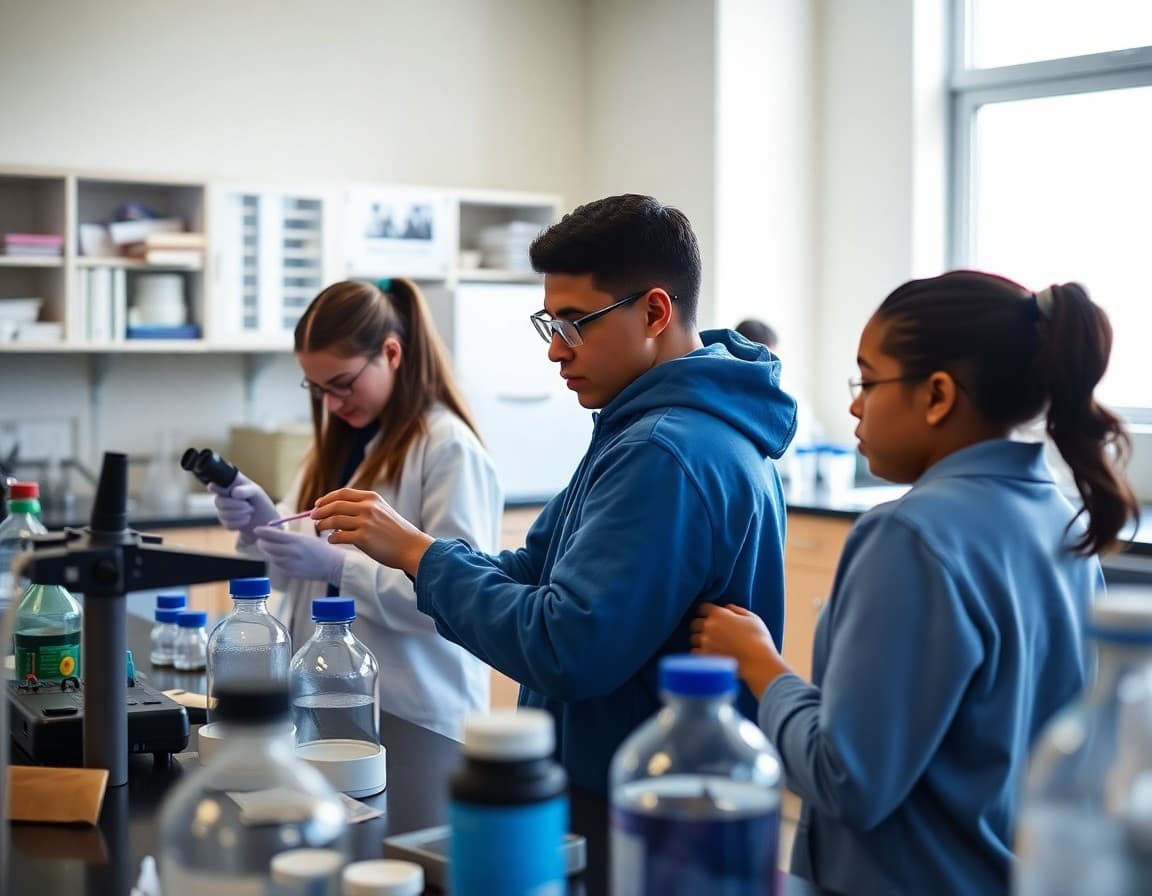
Kendall Square in Cambridge is the most biotech-dense urban area in the world. Biogen, Novartis, Pfizer, and hundreds of biotech startups operate here. Boston Children's Hospital, Mass General, and the Broad Institute conduct world-class research. For Massachusetts students interested in biology, biochemistry, and medicine, the career landscape is extraordinary. The Massachusetts Life Sciences Center runs education programs and supports school-industry partnerships.
Robotics: from iRobot to Boston Dynamics
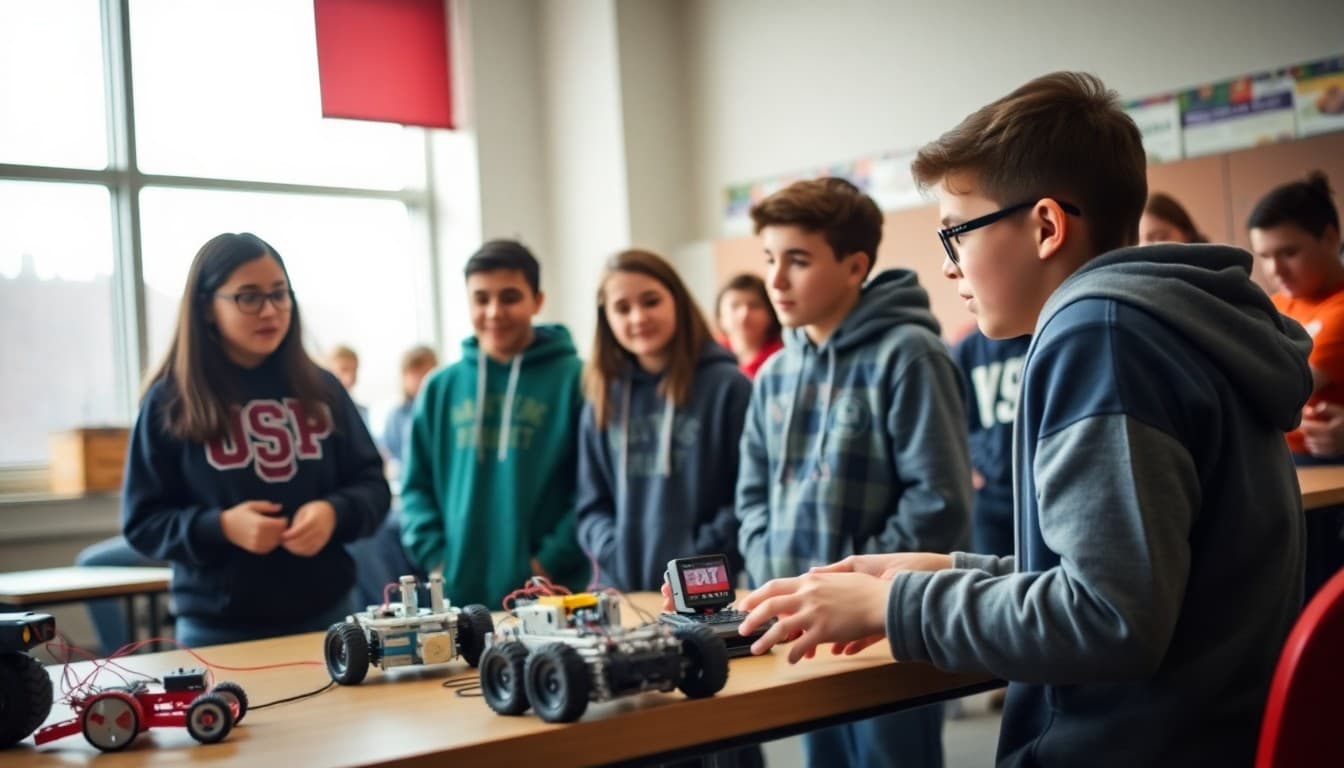
Massachusetts is home to iRobot, which makes the Roomba and military robots, and Boston Dynamics, which makes Spot and Atlas. Both companies have roots in MIT research. The robotics industry in Massachusetts employs mechanical engineers, electrical engineers, software engineers, and AI researchers. For students interested in robotics, Massachusetts offers direct local career connections to the companies that are defining the field.
Defense technology and Raytheon
Raytheon Technologies, now merged with United Technologies, has major Massachusetts operations including missile systems and intelligence systems development. The defense technology corridor around Waltham, Bedford, and Andover employs thousands of engineers and computer scientists. For Massachusetts students interested in systems engineering and defense technology, these are local employers with active school partnership programs.
Template: Massachusetts STEM newsletter excerpt
"Our school is partnering with a local university researcher for our spring science fair mentorship program. Students who are working on independent research projects can sign up for a virtual session with a graduate student mentor from the biology, chemistry, or engineering department. We also want to remind families that applications for the MIT Saturday Science program open in January for current seventh and eighth graders. These programs are free and are a remarkable opportunity for students who love science."
Massachusetts STEM competitions
FIRST Robotics Massachusetts is among the most competitive in the country. Science Olympiad Massachusetts runs rigorous state championships. The Metro Boston Science Fair and regional fairs have strong ISEF representation. Massachusetts STEM Week in October features events across the state. The Science Club for Girls is particularly active in Boston. Naming specific upcoming competitions with registration timelines in newsletters increases student participation.
Daystage makes it easy to communicate the extraordinary Massachusetts STEM resources to families throughout the school year in a clear, organized way.
Get one newsletter idea every week.
Free. For teachers. No spam.
Frequently asked questions
What STEM resources are available to Massachusetts schools?
Massachusetts has the Massachusetts STEM Pipeline Fund, a state-funded initiative supporting STEM education through regional networks. MIT, Harvard, Boston University, Northeastern, and dozens of other universities run K-12 outreach programs. The Museum of Science in Boston is one of the most visited science museums in the country. The Massachusetts Life Sciences Center funds biotech education. iRobot, Biogen, and other companies have school partnerships.
What industries make Massachusetts a STEM career destination?
Massachusetts has one of the most concentrated biotech and pharmaceutical sectors in the world, centered in Cambridge and Boston. The tech industry is massive with companies including HubSpot, Wayfair, and Raytheon Technologies. Robotics is a significant industry with companies like iRobot and Boston Dynamics. Clean energy is growing. The defense technology sector in Greater Boston and Cape Cod is substantial.
How can Massachusetts STEM teachers use university resources?
MIT, Harvard, BU, Northeastern, and UMass all run K-12 STEM outreach. MIT OpenCourseWare provides free curriculum resources. The MIT STEM Teaching Fellowship supports Massachusetts teachers. Harvard's education programs include science outreach. Northeastern's Center for STEM Education works with urban Boston schools specifically. The proximity to world-class universities is a Massachusetts STEM advantage that should be leveraged explicitly.
What STEM competitions are particularly strong in Massachusetts?
Massachusetts has one of the most competitive FIRST Robotics ecosystems in the country. Science Olympiad Massachusetts runs statewide championships. The Science Fair for Metro Boston and regional fairs connect to ISEF. MathCounts Massachusetts is highly competitive. The Massachusetts STEM Week in October is a statewide celebration. The Science Club for Girls is active in Boston area schools.
How can Daystage support Massachusetts STEM programs?
Daystage helps Massachusetts STEM teachers maintain consistent family communication across the state's diverse communities, from Boston urban schools to suburban districts to rural western Massachusetts. For schools with competitive STEM programs and engaged family populations, Daystage provides the professional communication quality that matches the program's ambitions. For underserved schools, consistent newsletters help all families access the same STEM opportunity information.

Adi Ackerman
Author
Adi Ackerman is a former classroom teacher and curriculum writer with 8 years in K-8 schools. She writes about school communication, parent engagement, and what actually works in real classrooms.
More for STEM
Ready to send your first newsletter?
3 newsletters free. No credit card. First one ready in under 5 minutes.
Get started free