
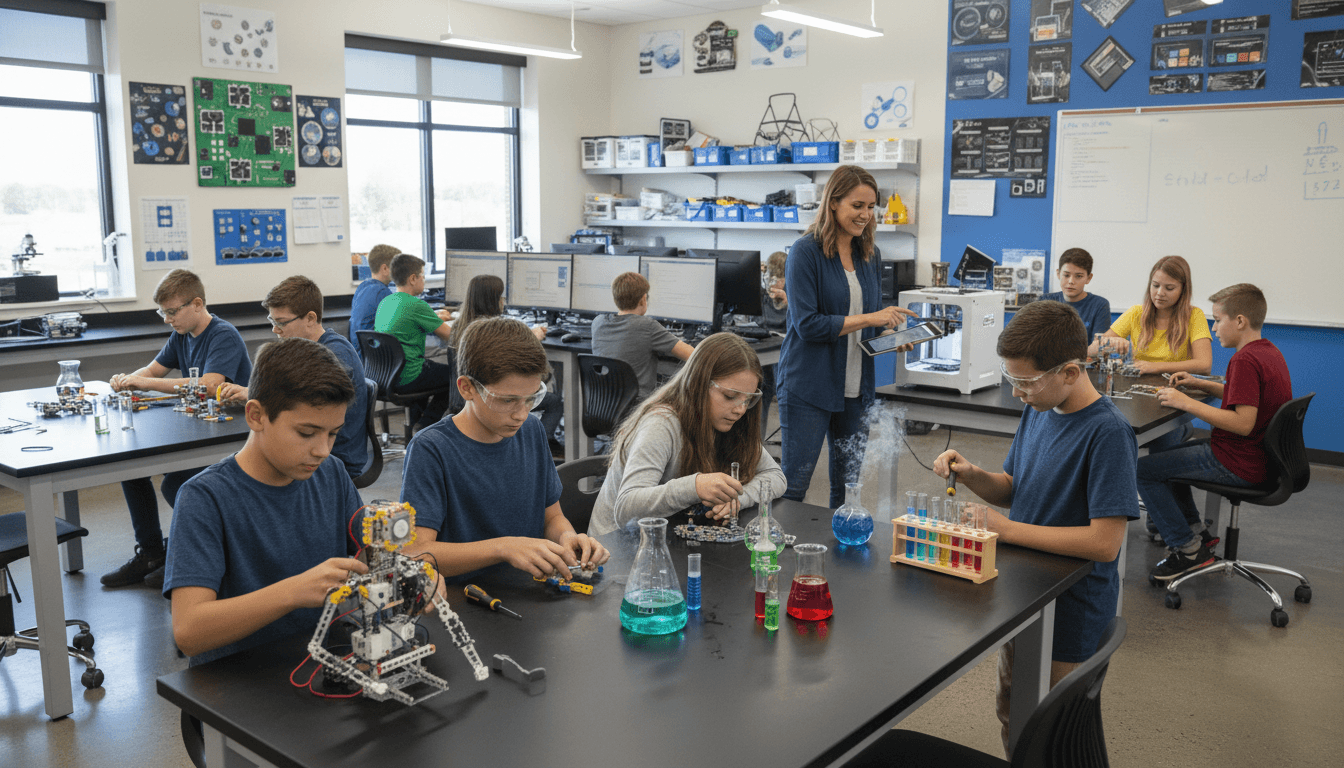
Earth Science Newsletter for Parents
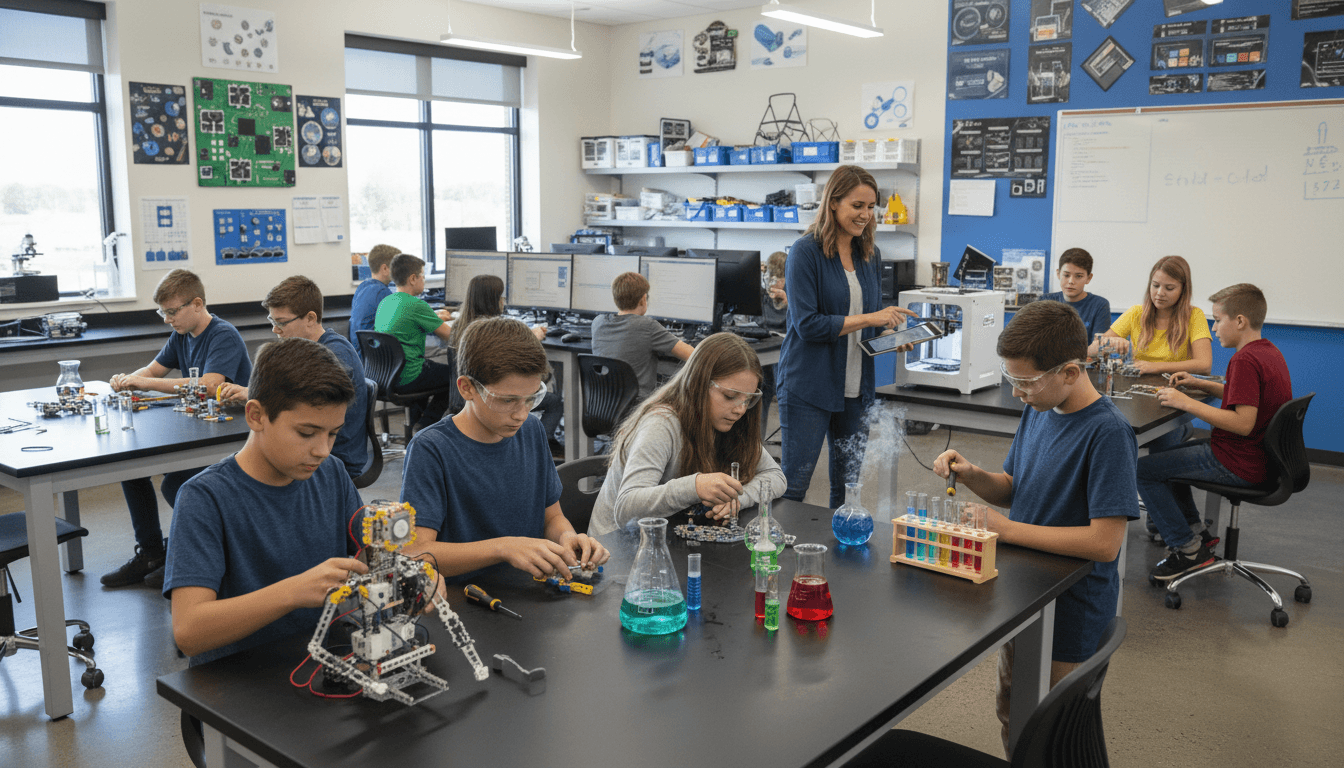
Earth science has a specific advantage among STEM subjects: its content is entirely visible and accessible to families. The rocks in the backyard, the weather outside the window, the mountains or plains in the distance, and the water flowing in a local creek are all earth science. A newsletter that helps parents see the curriculum in their own neighborhood turns every walk into a field extension of your classroom.
Connect this week's lesson to something families can observe locally
Every major unit in earth science has a local application. Studying rocks? The rocks in any garden or construction site are earth science samples. Studying weather? A week of daily temperature and cloud observation is a hands-on meteorology lab. Studying soils? The difference between topsoil and subsoil is visible in any hole dug for planting or construction.
Make this connection explicit in every newsletter. "We are studying igneous rocks this week. If you live near a river, the smooth worn rocks in the riverbed are often granite or basalt. Here is a one-page guide to identifying three common igneous rocks that students can print and use on a walk." That handout suggestion, even if most families never use it, communicates that earth science is a living subject rather than a textbook exercise.
Describe your labs in physical, sensory terms
Earth science labs involve textures, colors, smells, and physical processes that are far more interesting to describe than the abstract processes in other science courses. Use that to your advantage.
"This week students tested rock hardness by scratching different minerals against each other and against a metal nail. The chalk scraped off on everything. The quartz scratched the nail. The order of hardness surprised most of the class." That description gives parents a vivid picture of what their child actually did and makes the activity feel worth asking about at dinner.
Address climate and environmental content with data-forward framing
Climate science is part of earth science curriculum, and it can create anxiety among some parents about the framing of the content. The strongest approach is to root every climate-related communication in observable, measurable data and to separate what science shows from what policies respond to it.
"Students analyzed ice core data from Antarctica this week. Ice cores trap tiny air bubbles that preserve the atmosphere from hundreds of thousands of years ago. By measuring those bubbles, scientists can reconstruct what the atmosphere contained in the past. We looked at what the data shows and what it does not tell us directly." That framing teaches critical data analysis and is defensible regardless of the parent's perspective on climate policy.
Mention upcoming field studies and outdoor activities well in advance
Earth science teachers conduct more outdoor activities than most other STEM teachers. Families need advance notice about what to wear, what to bring, whether weather will affect plans, and what the activity involves. A newsletter that gives two weeks notice with specific preparation instructions reduces the number of students who show up in new sneakers for a creek sampling study.
For field studies outside the school building, include a brief explanation of the educational purpose alongside the logistics. "We will collect and identify water organisms from the school creek. This activity connects to our unit on ecosystems and gives students practice with scientific observation in a real habitat." Families who understand why the muddy shoes are worth it are more likely to send a change of clothes without complaint.
Build natural disaster awareness into your communication
Earth science covers earthquakes, volcanoes, floods, hurricanes, and other natural hazards. This content connects to practical family preparedness in a way that most academic subjects do not.
When the class covers a relevant hazard unit, include a brief note in the newsletter about real preparedness actions families can take. "This week we studied how seismic risk maps are created. If you want to see your home's seismic risk, the USGS has a public map at [link]. Your student can explain how to read it after this unit." That connection makes earth science feel immediately relevant and gives students an opportunity to demonstrate their knowledge in a practical context.
Get one newsletter idea every week.
Free. For teachers. No spam.
Frequently asked questions
What does an earth science course cover at the middle and high school levels?
Earth science typically covers geology (rocks, minerals, plate tectonics, earthquakes, and volcanoes), meteorology (weather and atmospheric systems), oceanography (ocean currents, tides, and marine environments), and astronomy at the introductory level. It is often the first science course middle school students take, and it connects to the most visible environmental processes in students' daily lives.
How can families support earth science learning outside of school?
Earth science is everywhere. Families can collect local rocks and look up their identification, track daily weather patterns on a chart, watch video footage from USGS about recent earthquakes or volcanic activity, and read topographic maps of their local area. Any outdoor walk is a potential earth science field study if you ask the right questions.
How do I connect earth science to climate and environmental topics without creating controversy?
Ground the discussion in observable data rather than policy. Students can look at historical temperature records, observe seasonal changes in local plants and animal activity, and analyze NOAA climate data to identify patterns. The science of what is happening is distinct from the question of what should be done about it, and keeping that distinction clear in the newsletter avoids turning a science class update into a political discussion.
What makes earth science different from other middle school science courses?
Earth science is the most visual and physical of the standard middle school sciences. Students handle rocks and minerals, map geological formations, observe weather systems, and often do fieldwork outside the classroom. Parents who understand this can prepare students for hands-on activities and explain why their child is coming home covered in soil after a lab day.
How does Daystage help earth science teachers communicate with families?
Daystage lets earth science teachers send visually engaging newsletters that bring the lab and fieldwork their students do into family conversations, keeping parents connected to a subject that unfolds largely in physical materials rather than textbooks.

Adi Ackerman
Author
Adi Ackerman is a former classroom teacher and curriculum writer with 8 years in K-8 schools. She writes about school communication, parent engagement, and what actually works in real classrooms.
More for STEM
Ready to send your first newsletter?
3 newsletters free. No credit card. First one ready in under 5 minutes.
Get started free