
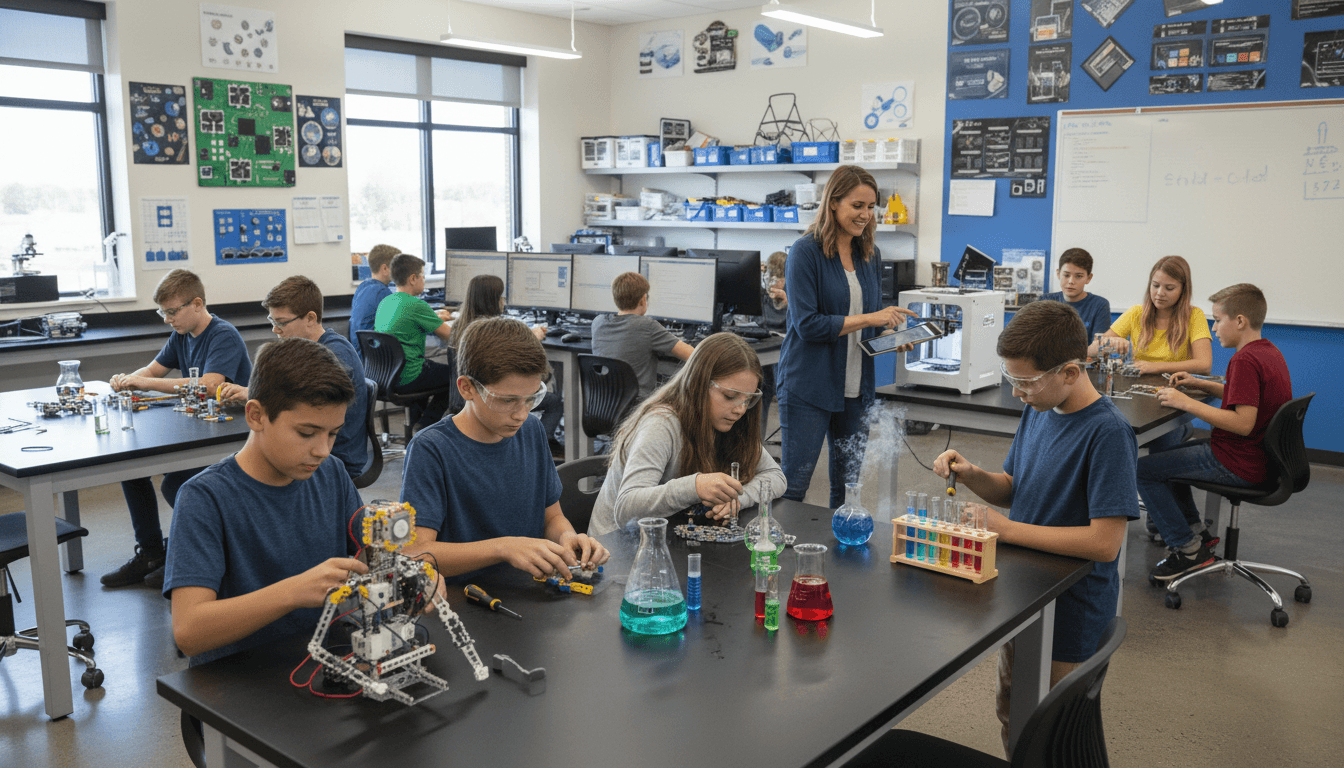
Computer Science Teacher Newsletter for K-12 Parents
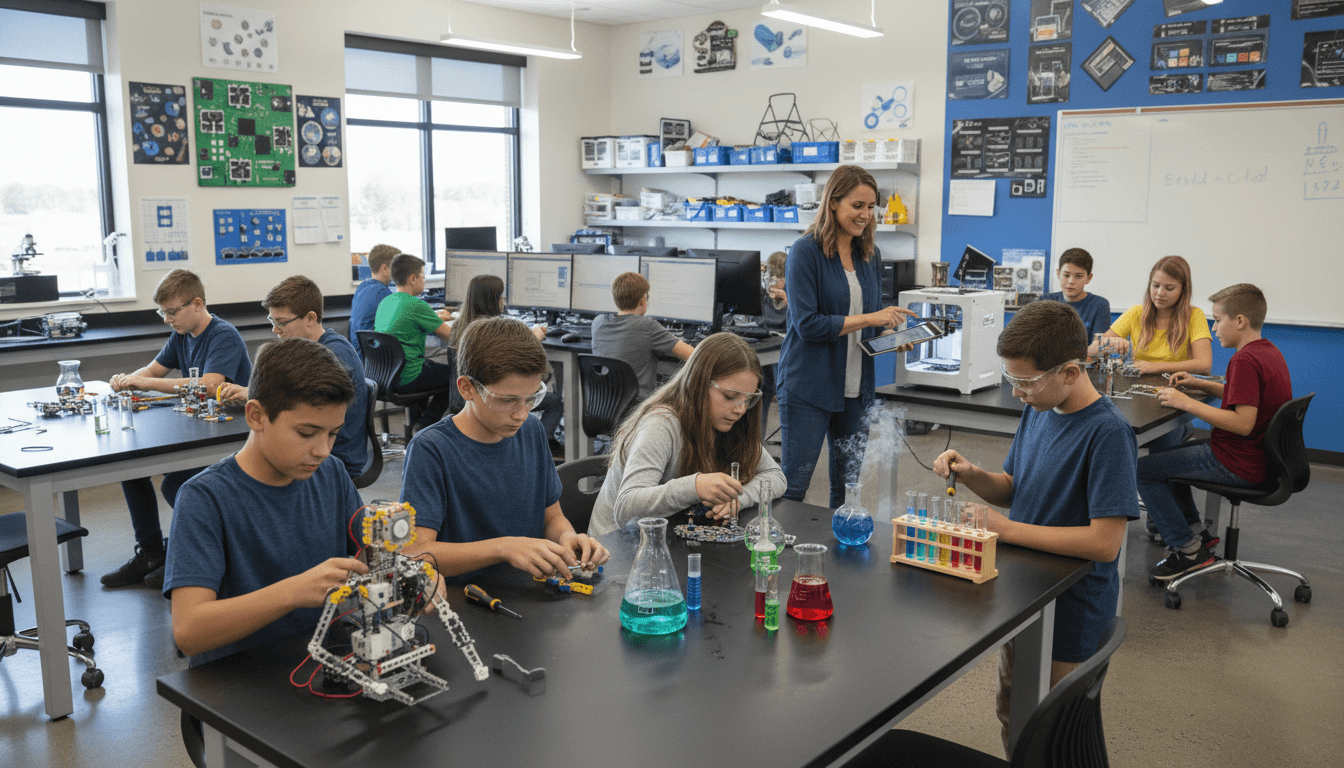
Computer science newsletters have to solve a particular challenge: most parents have used computers for their entire adult lives but have no idea what programming actually involves. That gap between familiarity with technology as a consumer and understanding technology as a builder is the exact gap your newsletter needs to bridge.
Distinguish between using technology and making technology
Most families know their child uses computers at school. Far fewer understand that a computer science course is about something fundamentally different: teaching students to create software, not just use it. This distinction is the most important thing your first newsletter of the year can communicate.
"This course is not about learning to use Microsoft Office or navigate the internet. Students are learning to write code that makes computers do specific things. They are on the building side of technology, not the consuming side. That is a different skill set and a different kind of thinking." Most parents have never had this explained to them, and the distinction changes how they understand what their child is doing in class.
Describe projects in terms of what they produce
Programming projects become meaningful to families when they can see what the program does. Descriptions of what code a student wrote are less useful than descriptions of what that code produces.
"Students built a quiz game this week that asks five questions and scores the player. They designed the logic for what happens after each correct and incorrect answer. Some students added features we had not planned for, like a timer and a high score tracker." That description tells parents something concrete about what their child accomplished without requiring them to understand any syntax.
Normalize debugging as a core skill
Students who come home from a CS class saying "I couldn't get my code to work" need parents who understand that failure to run is the normal state of code before it works, not a sign that their child cannot program. Your newsletter can set this expectation.
"Debugging, which means finding and fixing errors in code, takes up more time in a CS class than writing new code. A student who spends an hour finding one bug that was a single misplaced comma is doing real computer science. When your student is frustrated about a program that will not run, that frustration is the productive kind. It usually resolves within a session." Families who understand this normalize the struggle rather than interpreting it as failure.
Show families where the skills lead
Computer science skills are among the most broadly transferable technical skills in any field. A newsletter that connects what students are building to career and college contexts gives families a stake in the work.
"The data processing skills students are building this month are used in every field that works with large amounts of information: medicine, journalism, social science, environmental research, finance, and sports analytics. Your student does not need to become a software engineer to benefit from knowing how to work with data programmatically." Broad career framing is more persuasive to families than purely tech-industry framing.
Invite families to see the work
One of the unique advantages of computer science projects is that they can often be shared or demonstrated outside the classroom. If students build websites, they can be visited. If students build games, they can be played. If students create data visualizations, they can be viewed on any device.
Your newsletter can give families a direct link or QR code to student work when the project is complete and the student has consented to sharing. That invitation converts an abstract description of a project into something families can actually experience, and it gives students the experience of showing their work to a real audience. Both effects are worth the small effort it takes to set up.
Get one newsletter idea every week.
Free. For teachers. No spam.
Frequently asked questions
What does K-12 computer science cover and how is it different from just using computers?
K-12 computer science teaches students to think computationally, which means breaking problems into steps, identifying patterns, and building solutions using code. It is not about using software that already exists but about creating new tools and solving problems that have not been solved before. The course develops logical reasoning and systematic thinking that transfers to any field.
How do I explain what programming language students are learning and why?
Name the language and describe what it is primarily used for. 'Students are learning Python, which is used by data scientists, researchers, and software engineers to analyze data and build tools. It reads more like plain English than older programming languages, which makes it an ideal first language.' That explanation tells parents why you chose this language without requiring technical knowledge to understand it.
How can parents support a student learning computer science without knowing how to code?
Encourage students to explain what they built and how it works. Ask what problem their program solves. Watch them demo their project. Help them find quiet time to work on longer assignments. When they hit a frustrating bug, suggest taking a break rather than staring at the screen. None of these require coding knowledge, and all of them have a measurable effect on student success.
How do I address screen time concerns with parents who worry that CS means more time on devices?
Acknowledge the concern and clarify the distinction. Computer science is purposeful, focused use of a computer to build something specific. The thinking students do in CS class, designing the logic before coding, testing and debugging, is active problem-solving that is different from passive entertainment screen time. Most CS teachers find that students naturally limit non-school screen time less when they have an engaging project to work on.
How does Daystage help computer science teachers communicate with families?
Daystage lets CS teachers send newsletters to their parent list that include links to student projects or demos, giving families a way to see what their child built rather than just reading a description of it.

Adi Ackerman
Author
Adi Ackerman is a former classroom teacher and curriculum writer with 8 years in K-8 schools. She writes about school communication, parent engagement, and what actually works in real classrooms.
More for STEM
Ready to send your first newsletter?
3 newsletters free. No credit card. First one ready in under 5 minutes.
Get started free