
Alaska STEM Program Newsletter: Local Resources and Guide
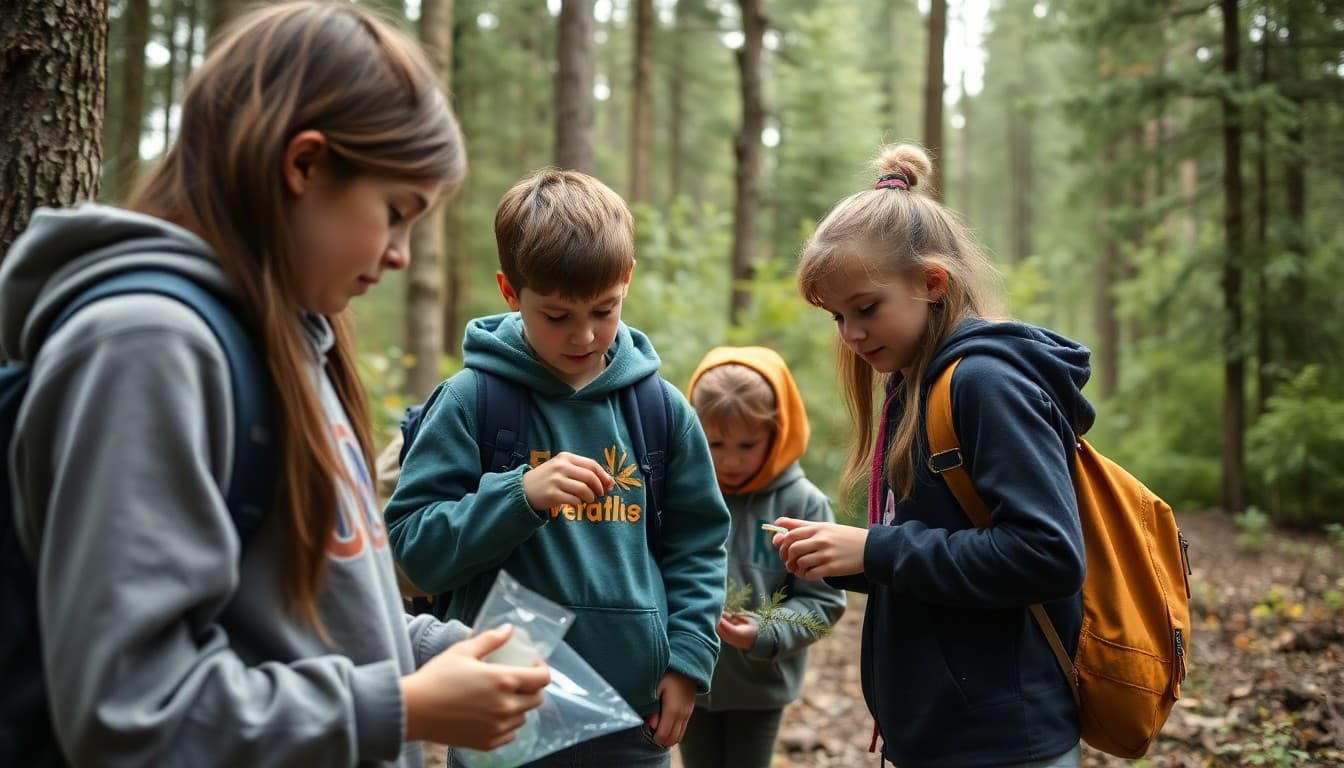
Alaska is a natural science laboratory. The state's ecosystems, climate patterns, and resource industries give STEM education a relevance and immediacy that is hard to match anywhere else. A STEM newsletter that connects what students are learning in class to the science happening in their own backyard is one of the most powerful tools an Alaska teacher has.
Alaska's environment as a STEM classroom
Few states offer the environmental science context that Alaska provides. Climate change research happening in Alaska right now is informing global science. The permafrost thaw, the glacier retreat, the changes in salmon runs, and the shifts in wildlife migration patterns are all active research areas that students can connect to in real time. When a student's science unit on climate relates to something they have personally observed outside, the learning becomes meaningful in a way no textbook can replicate.
Indigenous science and traditional ecological knowledge
Alaska has the richest indigenous science tradition in the United States. Alaska Native communities have developed deep scientific knowledge about navigation, weather, ecosystems, and sustainable resource management over thousands of years. The Alaska Native Knowledge Network provides frameworks for weaving this knowledge into standard science curriculum in ways that honor its sophistication and relevance.
For schools serving Alaska Native communities, connecting STEM to traditional knowledge increases student engagement and family buy-in. A newsletter that acknowledges both knowledge systems signals that the school respects the community's own science tradition.
STEM careers specific to Alaska
Alaska has career fields that barely exist in the lower 48. Bush pilot mechanics, fisheries biologists, oil field engineers, permafrost engineers, and remote community healthcare workers are all careers that require strong STEM foundations and are in high demand in Alaska. These careers often pay significantly above national averages and allow students to build careers in the communities where they grew up.
A newsletter that names specific Alaska careers available to STEM graduates gives families a concrete picture of what the investment in STEM education is for.
FIRST Robotics and competition STEM in Alaska
FIRST Alaska hosts regional robotics events in Anchorage and other locations. Science Olympiad chapters operate in several Alaska school districts. These competitions give students a way to measure their skills against peers and build the teamwork and problem-solving habits that employers value. For remote schools with fewer in-person competition options, virtual competitions and distance programs have expanded access significantly.
Template: Alaska STEM program newsletter
"Our STEM program is starting a new unit on salmon habitat and water quality, connected to the ongoing research by the Alaska Department of Fish and Game. Students will collect water samples from two local sources and analyze pH, temperature, and dissolved oxygen. We have a fisheries biologist from the regional ADF&G office coming in next month to discuss how scientists use this data to manage salmon populations. Families: if your student has subsistence fishing experience, please encourage them to share those observations during class discussions. That knowledge is part of the science."
Aviation and aerospace STEM in Alaska
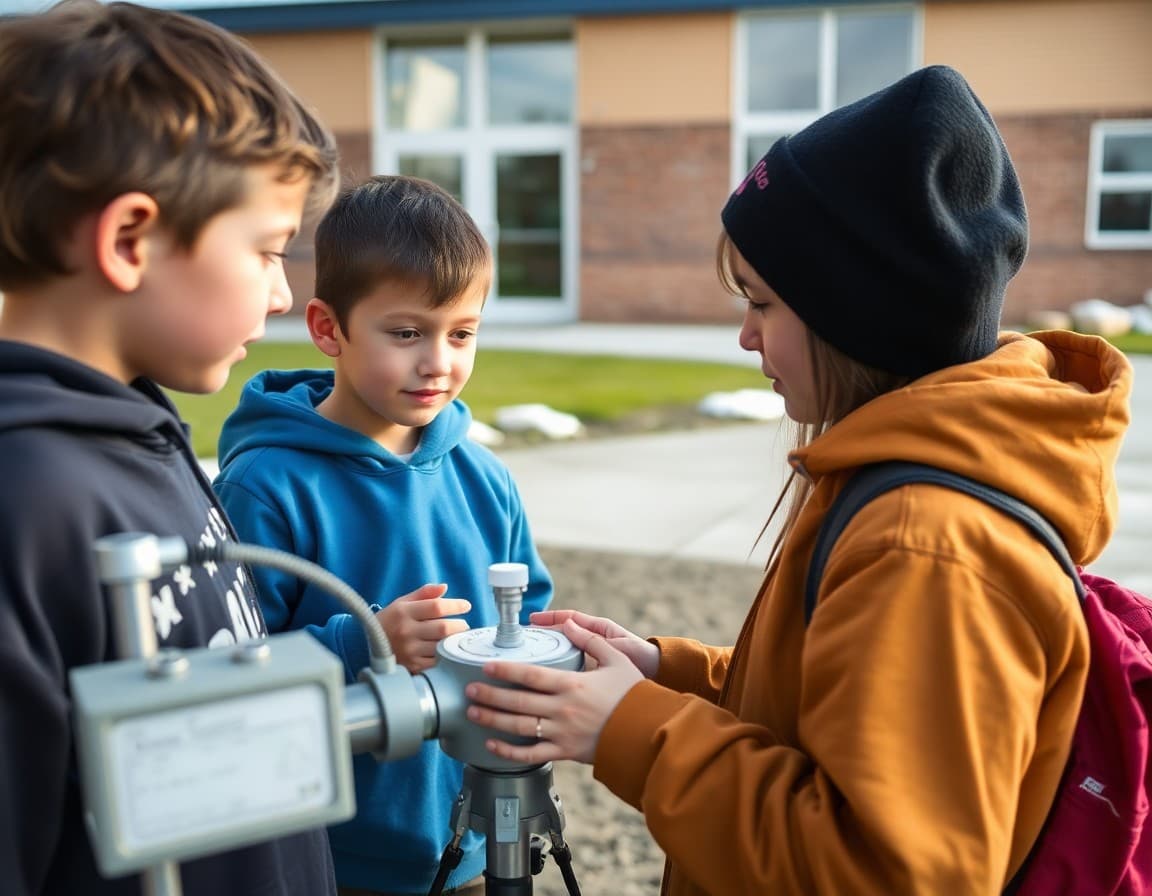
Alaska has the highest per-capita pilot population in the United States. Aviation is infrastructure in Alaska, not a luxury, and it creates a natural STEM pathway that resonates with many Alaska families. Aviation-themed STEM activities, from weather science to navigation math to aerodynamics engineering challenges, connect to real careers students can see in their communities.
Daystage makes it easy to build a newsletter series that connects your STEM program to Alaska-specific industries, competitions, and resources throughout the school year.
Get one newsletter idea every week.
Free. For teachers. No spam.
Frequently asked questions
What STEM programs are available to Alaska students?
Alaska has STEM resources through the Alaska Department of Education and Early Development, the Alaska Native Knowledge Network, and university partnerships with UAF and UAA. The Rasmuson Foundation and BP have historically funded STEM education grants in Alaska. FIRST Alaska robotics chapters operate in Anchorage and other areas. Remote schools often access STEM programs through distance delivery and technology grants.
How does Alaska's environment shape STEM education?
Alaska's natural environment provides authentic contexts for science education that few other states can match. Climate research, wildlife biology, oil and gas engineering, commercial fishing science, and environmental monitoring are all active fields in Alaska. Students can connect classroom learning to real ongoing research conducted in their own backyard, which is a powerful motivator for STEM engagement.
How can Alaska STEM teachers integrate indigenous science knowledge?
The Alaska Rural Systemic Initiative developed frameworks for connecting Alaska Native traditional ecological knowledge to Western science standards. This integration honors the science embedded in indigenous practices like navigation, weather prediction, and subsistence ecology. The Alaska Native Knowledge Network provides teacher resources for this integration.
What career opportunities exist for STEM graduates in Alaska?
Alaska's major industries requiring STEM skills include oil and gas, commercial fishing and aquaculture, aviation (Alaska has the highest pilot-per-capita rate in the US), environmental consulting, healthcare in remote communities, and growing tech sectors in Anchorage. Many of these careers pay well and are specific to Alaska, making STEM relevant even for students who want to stay in state.
How can Daystage support STEM communication for Alaska schools?
Daystage works equally well for urban Anchorage schools and rural schools with limited parent in-person access. Teachers can send newsletters that reach families in remote communities the same way they reach families in Anchorage. For schools with high Alaska Native student populations, newsletters can be designed to reflect the community's values and connect STEM to culturally relevant contexts.

Adi Ackerman
Author
Adi Ackerman is a former classroom teacher and curriculum writer with 8 years in K-8 schools. She writes about school communication, parent engagement, and what actually works in real classrooms.
More for STEM
Ready to send your first newsletter?
3 newsletters free. No credit card. First one ready in under 5 minutes.
Get started free