

What to Put in a Special Education Newsletter to Families
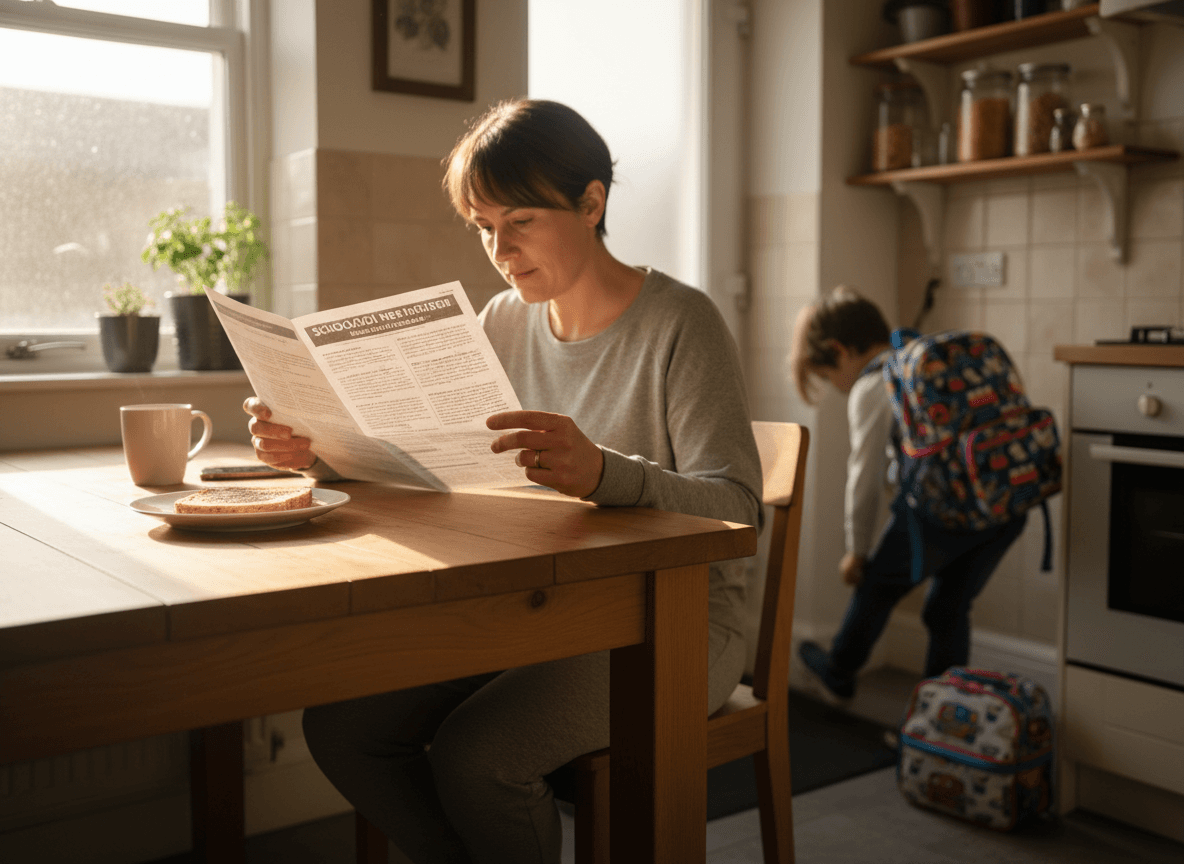
A special education newsletter is one of the most valuable communication tools you have, and one of the easiest to get wrong. Get the content mix right and families read every issue. Get it wrong and it becomes another unopened email from school.
This is what works: six sections, each with a clear purpose, none longer than it needs to be.
Section 1: What We Did This Week (100-150 words)
Open with a brief, plain-language summary of the main activities in your classroom this week. No IEP abbreviations. No clinical vocabulary. Describe it the way you would describe it to a friend.
Aim for one or two specific activities, not a list of everything that happened. Depth over breadth. Parents remember one vivid detail far better than a bulleted inventory of the week.
Example: "This week we focused on money identification using real coins. Students practiced at a pretend store setup in the classroom, taking turns as cashiers and customers. It was noisy and everyone loved it."
Section 2: A Win Worth Sharing (2-3 sentences)
One moment of progress from the week, anonymous, aggregate, or class-wide. This is the section parents forward to other family members. Keep it short. Make it specific. Make it positive.
Not: "Students are making progress on their goals." (Meaningless.)
Instead: "This week two students independently initiated a task transition without a verbal cue for the first time. They were proud of themselves and so are we."
Include one of these every single issue. It is the most-read section of any SPED newsletter and the most important for family trust.
Section 3: Try This at Home (3-4 sentences)
One specific, low-effort activity that generalizes a skill the class is working on. Frame it as a suggestion, not an assignment. Parents of children with IEPs are often anxious about doing things wrong at home. Make this feel easy and optional.
Keep it to one activity. One is actionable. Three is overwhelming.
Example: "We have been working on categorizing objects by function, things you eat, things you wear, things you ride. During dinner this week, you can try sorting the items on the table into categories. Your child does not need to know you are practicing anything."
Section 4: Upcoming Dates
A short bulleted list of anything in the next two weeks that families need to know about or prepare for:
- IEP review dates
- Progress report distribution
- Service provider schedule changes (OT out of building, speech rescheduled)
- Field trips with sensory or behavioral preparation implications
- School events with a lot of unstructured time (assemblies, spirit days)
- Any change to routine that might need family prep conversations with their child
Changes to routine are a bigger deal for many SPED families than they are for general ed families. A heads-up about a substitute teacher or an all-school assembly can make the difference between a smooth day and a difficult one.
Section 5: How to Reach Me
Your email address. The best time to reach you. How quickly you typically respond. One sentence is enough: "The best way to reach me is [email]. I check messages by 3pm on school days."
This section never changes. Copy and paste it every week. Its value is not the information (families already have your email), it is the signal that you are available and that the communication channel is open. For families who have had difficult experiences with school systems, this signal matters.
Section 6: Ask Me Anything (Optional, Monthly)
Once a month, add a brief Q&A where you answer a question about how the classroom works, how to support your child at home, or what a term in the IEP actually means.
You do not need families to submit questions (though you can invite them to). Pick questions you hear at IEP meetings, at pickup, or in emails. The questions other families have are usually the questions everyone has but does not know how to ask.
This section does two things: it builds your authority as an educator who is transparent about how their classroom and their field work, and it reduces the IEP meeting anxiety that comes from families feeling like they do not understand the system their child is in.
What to Leave Out
A few things that do not belong in a class newsletter:
- Individual student progress data. Progress toward IEP goals goes in formal progress reports, not newsletters. Even anonymized goal data can be identified by the parents of the student it belongs to.
- Behavioral incidents. Never in a newsletter. Always in a direct communication, call or email to that family only.
- Long explanations of special education law. If a policy question comes up, handle it individually. The newsletter is not the place for legal explainers.
- Anything longer than 400 words total. Families of children with disabilities are often managing significant time and cognitive load. A newsletter they can read in 90 seconds will be read. One they need to set aside for later will not.
Get one newsletter idea every week.
Free. For teachers. No spam.
Frequently asked questions
When should special education teachers send their classroom newsletter each week?
Send on the same day at the same time each week, ideally Thursday or Friday so families have the weekend to read and prepare for the following week. Consistency in timing matters more than the specific day, since families in special education settings often structure their routines around predictable school communication.
What should a special education newsletter to families include each week?
A workable structure covers five areas: what the class did that week in concrete terms, one specific positive observation worth celebrating, a home activity that reinforces a current skill, upcoming dates including any IEP-related events, and a clear way to reach you with questions. Keep the total reading time under four minutes or families stop opening it.
How should a SPED teacher handle confidentiality when writing a class newsletter?
Write all class-level content in aggregate terms that describe the group's activities rather than any individual student's progress or behavior. Any information specific to a student's IEP goals, disability, or accommodation plan belongs in a separate direct communication with that family alone, not in a newsletter that goes to the whole class.
What are common mistakes teachers make in special education newsletters?
The most common mistake is writing so generally that the newsletter conveys nothing useful. 'We had a great week learning and growing' tells families nothing they can act on. The second most common mistake is including too much in one issue, which causes families to skim or stop reading entirely. Five focused sections outperform ten vague ones every time.
How can special education teachers write newsletters more efficiently without starting over each week?
A newsletter tool like Daystage with a saved template means you only fill in the content for each section rather than rebuilding the layout. Templates also enforce the consistent structure that makes SPED family newsletters more trustworthy and easier to read over time.

Adi Ackerman
Author
Adi Ackerman is a former classroom teacher and curriculum writer with 8 years in K-8 schools. She writes about school communication, parent engagement, and what actually works in real classrooms.
More for Special Education
Autism Spectrum Newsletter for Families: Communication That Actually Helps
Special Education · 6 min read
Inclusion Classroom Newsletter Guide: Communicating Across All Families
Special Education · 6 min read
Special Education Behavior Support Newsletter: What Families Need to Know About Positive Behavior Supports
Special Education · 6 min read
Ready to send your first newsletter?
3 newsletters free. No credit card. First one ready in under 5 minutes.
Get started free