
Life Skills Classroom Newsletter: Connecting School to Daily Life
Life skills classrooms prepare students for independence in the real world: cooking, money management, community navigation, employment readiness, personal care. But many families are not sure exactly what their student is working on or why. A newsletter that connects classroom instruction to real-life outcomes helps families see the purpose behind every lesson and gives them specific ways to extend that learning at home.
Explain what life skills instruction actually looks like
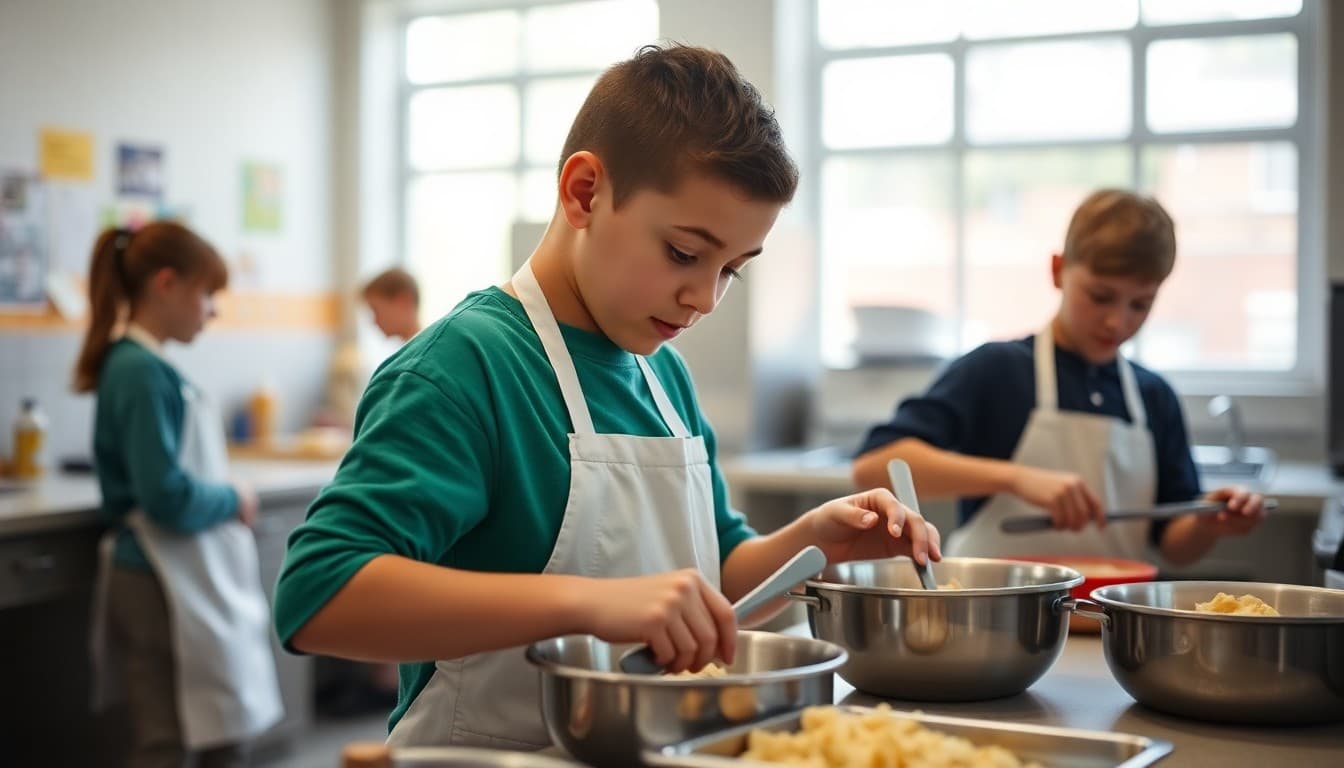
Many families have a vague sense that their student is in a life skills program but have never seen or heard a clear description of what that means in practice. The newsletter is the place to show them. "This month we are working on meal preparation skills. Students are learning to read a simple recipe, measure ingredients, use kitchen appliances safely, and clean up after cooking. These lessons happen in our classroom kitchen with real equipment. The goal is for students to be able to prepare simple meals independently as adults."
Connect every skill to adult independence
Life skills instruction has a clear purpose that parents respond to when it is stated directly. Connect each skill area to a concrete adult outcome. Grocery shopping skills lead to independent food purchasing. Money management skills lead to financial independence. Schedule management skills lead to supported employment readiness. Public transportation skills lead to community access without relying on a driver. When families understand where each skill is going, they are far more motivated to reinforce it at home.
Home practice suggestions for life skills goals
The best home practice for life skills is doing real tasks. Let your student help with the grocery list and shopping. Give them a small amount of money to manage on an errand. Have them complete one household chore independently. Practice reading the bus route or transit schedule together. These activities are not supplemental to the skill. They are exactly the context where the skill needs to work. Home practice generalizes learning from the classroom to real environments in ways that in-school practice cannot.
Highlight community-based instruction experiences
Community-based instruction trips deserve prominent space in the newsletter. Families love knowing that their student went somewhere real and practiced something real. Be specific: where did the class go, what were students practicing, and what did individual students accomplish? Use this as an opportunity to celebrate the progress that makes life skills instruction so meaningful. A student who paid for their own lunch at a restaurant for the first time deserves to have that celebrated.
Template: life skills classroom newsletter monthly section
"Life Skills Update , [Month] | [Teacher Name] | [School] This month's focus: [Unit name and plain-language description, 3-4 sentences including why this skill matters for independence]. Community-based instruction this month: [Where we went, what students practiced, one specific achievement to celebrate]. Practice at home: [One specific activity families can do at home in a natural context, no special materials needed]. Coming up: [2-3 bullets with upcoming trips, meetings, or events]. Questions? [Email and any relevant contact information]."
Address transition planning in spring newsletters
For students in secondary life skills programs, spring is transition planning season. A newsletter that explains what transition planning is, what families can do to prepare, and what post-secondary options look like in your state is genuinely useful. Many families do not know what is available to their student after high school or who to talk to about it. The life skills teacher newsletter is a natural place to start those conversations before the formal transition planning meetings begin.
Daystage makes it easy to send these newsletters with embedded links to community resources, transition guides, and vocational program information that families can access directly.
Get one newsletter idea every week.
Free. For teachers. No spam.
Frequently asked questions
What should a life skills classroom newsletter include?
A life skills classroom newsletter should explain the current instructional unit in plain language (cooking, money management, community navigation, personal care, employment readiness), share one or two specific ways families can practice those skills at home in the context of real daily routines, highlight any community-based instruction trips or vocational experiences coming up, and give families context for why each skill area matters for their student's long-term independence. The newsletter should feel practical and future-oriented.
How should life skills teachers explain program goals to families who may not understand them?
Connect every skill to a concrete adult outcome. 'We are working on grocery shopping skills: reading a shopping list, navigating a store, and paying for items. These are foundational skills for living with increasing independence as an adult.' Or: 'We are working on telling time and managing a schedule. Students who can manage their own schedule are better prepared for supported employment and community participation.' Parents understand outcomes far better than instructional terminology.
What home practice activities should life skills classroom teachers share in newsletters?
Life skills home practice activities are most effective when they are embedded in real daily routines. Have your student help sort laundry and practice matching socks. Let your student count out money for a small purchase during a grocery trip. Practice reading the schedule together each morning. Have your student complete one step of meal preparation independently. These activities do not require special materials and they generalize the school learning to natural home environments, which is where the skill ultimately needs to work.
How do life skills teachers handle community-based instruction in newsletters?
CBI trips are exciting to families and worth highlighting in newsletters. Describe where students went, what skill they were practicing, and one specific example of something students did on the trip. 'Last week, our class visited the local grocery store to practice finding items on a list, selecting the correct quantity, and checking out at the register. Three students completed the checkout independently for the first time.' This makes the learning concrete and celebrates real progress.
How does Daystage support life skills classroom newsletters?
Daystage lets life skills teachers send polished newsletters that include photos from community-based instruction trips, embedded links to transition resources, and clean monthly structure that families can follow throughout the year. A professional newsletter from the life skills classroom communicates that the program takes its work seriously and that the skills being taught matter for the student's future.

Adi Ackerman
Author
Adi Ackerman is a former classroom teacher and curriculum writer with 8 years in K-8 schools. She writes about school communication, parent engagement, and what actually works in real classrooms.
More for Special Education
Ready to send your first newsletter?
3 newsletters free. No credit card. First one ready in under 5 minutes.
Get started free