
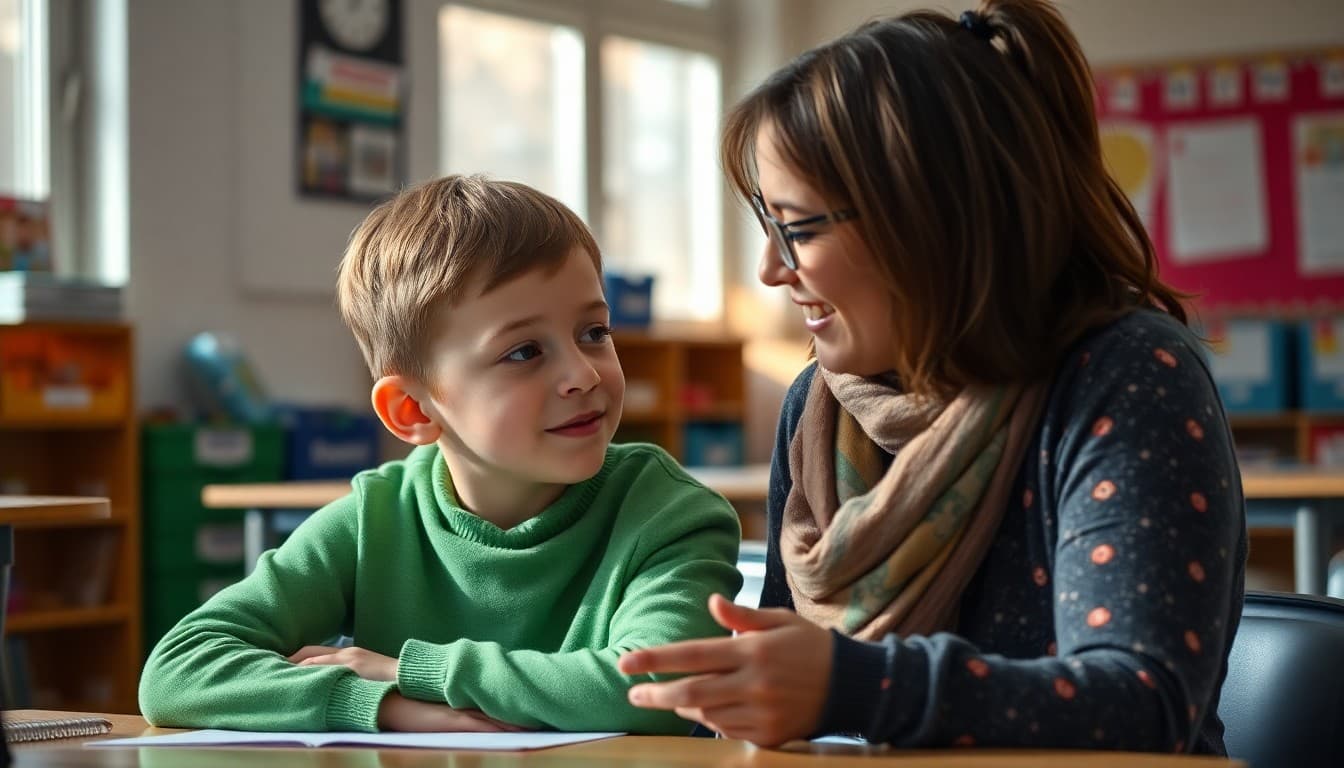
February Special Education Newsletter for IEP Families This Winter
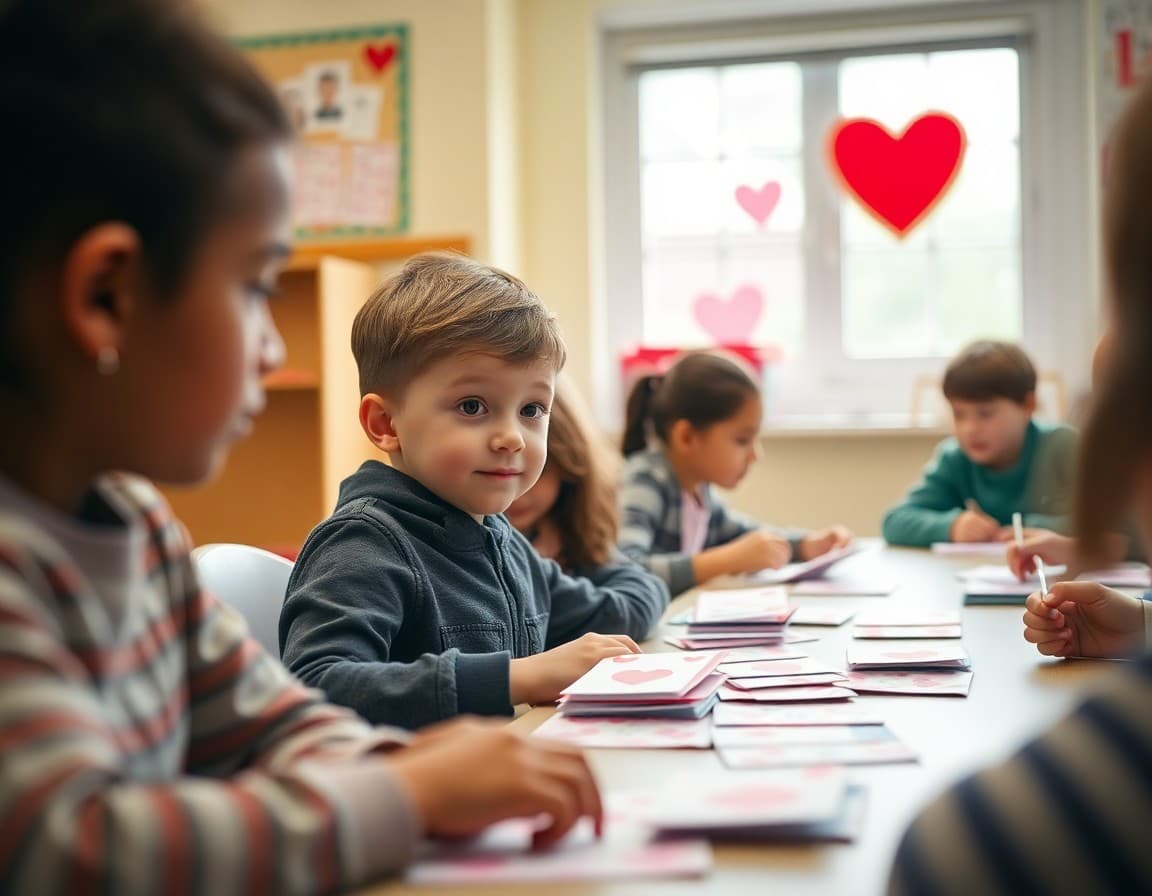
February's friendship and kindness theme creates both an opportunity and a challenge for students with disabilities. The social dynamics of Valentine's Day, classroom parties, and the cultural focus on relationships can be genuinely positive for students working on social skills, or genuinely hard for students with social anxiety, autism, or difficulty with peer relationships. Your February newsletter prepares families for both possibilities.
Prepare families for the Valentine's Day classroom experience
Tell families exactly what your classroom plans look like for Valentine's week. If there is a card exchange, describe how it works and what accommodations you have in place. If your classroom has a party, note whether there are sensory considerations, quiet space options, or alternative activities for students who find the event overwhelming. Families who receive this information in advance can prepare their child instead of managing a difficult call from the school office on February 14.
Share mid-year progress at the program level
February is a natural mid-year checkpoint. A brief program-level update tells families that progress is happening without sharing individual student data in a group communication. "Students in our program have been making measurable progress on their current IEP goals. We will share specific individual data at your child's scheduled mid-year review or conference." That single paragraph reduces the anxiety of families who have not had an IEP meeting since fall.
Connect the February theme to social skills work
February's kindness and friendship focus is a natural extension of the social skills your students may already be working on. A brief description of how you are using the month's theme in your program builds awareness. "This month we are using the Valentine's theme to practice social initiation and giving compliments. Students are working on starting conversations with a question and responding to others' questions before changing the subject."
Give families a relationship-skill home practice activity
Pick one social skill your students are working on and give families a way to practice it naturally at home. For a student working on asking questions during conversation: "At dinner this week, take turns asking and answering one question each. Start with something easy, like what was the most interesting thing you saw today. The practice is asking a question and waiting for the answer before talking about yourself. That is the skill we are building."
Note any upcoming IEP meetings or annual reviews
If any students in your caseload have annual reviews or mid-year check-ins coming up in February or March, a newsletter reminder helps families prepare. "If your child's IEP includes a mid-year review or annual meeting in the next eight weeks, you will receive a formal notice with scheduling options. Please reach out if you have questions before your meeting."
Address winter mood and motivation in your students
Many students with disabilities experience increased behavioral challenges in January and February due to the season: less outdoor time, shorter days, and mid-year fatigue. A brief acknowledgment for families, along with one practical strategy such as consistent outdoor time and maintaining regular sleep, acknowledges what they are seeing at home without alarming them.
Close with appreciation and an open door
End with genuine recognition for the families who stay engaged with your program and an open invitation to reach out. February is a good month to remind families that you welcome questions and concerns at any time, not just at IEP meetings.
Daystage makes your February special education newsletter easy to send to your families before Valentine's week. Track who opened it so you know which families received your classroom preparation guidance.
Get one newsletter idea every week.
Free. For teachers. No spam.
Frequently asked questions
What should a special education teacher address in a February newsletter?
Valentine's Day social participation support, mid-year IEP progress notes in accessible language, social skills building connected to the friendship theme of the month, relationship skill strategies families can reinforce at home, and any upcoming IEP meetings or mid-year reviews.
How do I prepare families for Valentine's Day in a special education newsletter?
Be specific about what the holiday week will look like in your classroom. Will there be a card exchange? A party? Tell families which days have altered schedules, what accommodations are available for students with sensory or social challenges, and how to flag concerns before the week arrives.
How do I share mid-year IEP progress in a newsletter?
Keep it at the program level. 'Most students are on track with their first-semester goals. We will share individual progress at each child's scheduled mid-year IEP review or conference.' Do not share specific goal percentages or individual student information in a group newsletter.
How do I address friendship and relationship skills for students with disabilities in February?
Give families one specific skill and one home practice activity. For students working on social initiation: 'Practice asking a question at dinner each night this week. You can take turns: parent asks, then child asks. Preparing the question in advance is the skill we are building.' Concrete and embedded in daily life.
What newsletter tool works for special education family communication?
Daystage is a school newsletter platform that works for small program groups like special education classrooms. You build a dedicated template for your IEP families, update the content monthly, and track open rates for documentation purposes. It requires no technical setup from the teacher.

Adi Ackerman
Author
Adi Ackerman is a former classroom teacher and curriculum writer with 8 years in K-8 schools. She writes about school communication, parent engagement, and what actually works in real classrooms.
More for Special Education
504 Plan Communication to Parents: What to Include in Your Newsletter Updates
Special Education · 7 min read
ADHD Communication Newsletter: What Schools Should Tell Families
Special Education · 6 min read
ADA-Compliant School Newsletters: What SPED Coordinators Need to Know
Special Education · 6 min read
Ready to send your first newsletter?
3 newsletters free. No credit card. First one ready in under 5 minutes.
Get started free