

SEL Newsletter on Self-Management: Plain-Language Sections
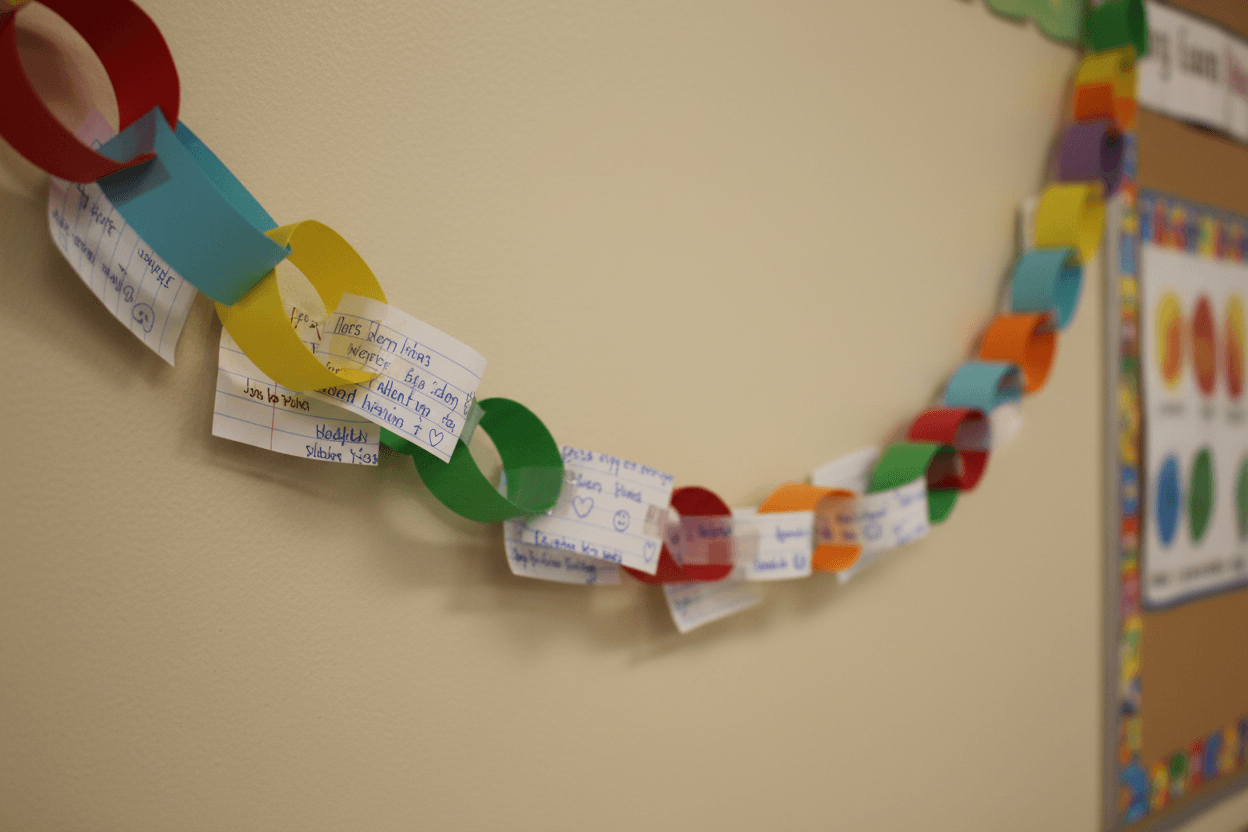
Self-management is the second CASEL competency, and it is the one parents ask about most. They want to know what to do when their kid melts down over a broken crayon or a denied screen time request. The honest answer is that self-management is a skill, not a switch. Kids who learn specific tools at school can use them at home, but only if the newsletter explains the tools in language a parent can actually use on a Tuesday night.
What self-management actually means
Self-management is what a kid does after they notice a big feeling. It is the gap between the feeling and the next action. A first grader who feels angry and chooses to walk to the calm-down corner instead of pushing a classmate is doing self-management. The feeling is the same. The choice that follows is the skill.
Why "calm down" does not work as a sentence
Telling a child to calm down is like telling someone with a flat tire to drive faster. The instruction does not match the state. What works is a specific tool the child has practiced when calm and can reach for when not. In Room 8, a kid I will call J keeps a small index card on his desk with a star drawn on it. When he feels his face get hot, he traces the star slowly with his finger while breathing in and out along the points. He worked out the system with our counselor and has used it about a dozen times this month without anyone prompting him.
Teach the tool when the kid is calm
Calm-down strategies only work if a child practices them when they do not need them. Once a week, we practice belly breathing for ninety seconds as a class. Nobody is upset. The point is not to calm anyone down. It is to build a path the brain knows. When the real moment comes, the path is already there.
The size-of-the-feeling rule
Not every feeling needs the same tool. A small feeling, like a minor annoyance, might need a single breath. A medium feeling might need a short walk. A big feeling might need a quiet space and an adult nearby. Teaching kids that the tool matches the size of the feeling beats handing them one strategy and hoping it scales.
A short section parents will actually read
On Thursday, a kid in our class felt his chest get tight during partner work. Instead of arguing with his partner, he raised his hand and asked to use the calm-down corner. He spent two minutes there. He came back, said "I am ready," and finished the task. Nobody had to ask him to do any of that.
The skill we have been practicing is called self-management. It is what a child does after they notice a big feeling. At home, you can try this prompt at dinner: "What is one tool that helps you when your body feels too big to sit still?" Then let your child teach you the tool. Try it together.
Give parents the script
Parents do not need a research summary on emotion regulation. They need a sentence they can say at 7:45pm when their kid is on the edge. Try this one: "I see your body looks really big right now. Do you want to use your tool, or do you want me to sit with you?" That sentence offers a choice and an adult presence. Both are regulation in action.
Common pitfalls in self-management newsletters
The first pitfall is making it sound clinical. "Co-regulation opportunities" is jargon. "Times I sat with a student and helped them calm down" is plain language. The second pitfall is promising too much. Self-management is a years-long build, not a unit. Do not write as if one newsletter will change a child's behavior. Write as if you are adding one more layer to a slow, real practice.
Subject lines that get opened
Write the subject line after the newsletter is drafted, not before. Specific beats generic. "The two-minute trick J used when he got mad this week" gets opened. "Classroom News" does not. So does "What 'calm down' actually means in Room 8" or "One tool your child learned to use this week." Parents skim their inbox. The subject is your one shot.
Cadence that holds up over a year
Pick a cadence you can hold in February as well as September. Every two to three weeks works for most elementary classrooms. Weekly burns teachers out. Monthly leaves too long a gap for the language to stay fresh at home. Keep the body short, 350 to 500 words. One classroom moment, one skill name, one prompt. That is the whole job.
How Daystage helps with self-management newsletters
Daystage drafts SEL newsletters in plain parent-friendly language from a few notes you type in. The self-management template includes a real classroom example, a tool description, and one prompt for the dinner table. You read, edit a line or two, send. The full process takes under ten minutes.
Get one newsletter idea every week.
Free. For teachers. No spam.
Frequently asked questions
Why does telling a child to calm down not work?
Because calm down is an outcome, not an action. A child who is flooded with feeling cannot decide to be calm. They need a specific tool. Breathe in for four, out for six. Squeeze and release your fists ten times. Walk to the water fountain and back. Tools work. Instructions to feel different do not.
What are good calm-down strategies for elementary kids?
Slow breathing tied to a visual, like tracing a star with your finger as you breathe. Counting backward from ten. A walk to the water fountain. Squeezing a stress ball. Drawing for two minutes. The trick is teaching the strategy when the child is calm, so it is available when they are not.
Is a calm-down corner the same as a time-out?
No, and the distinction matters. A time-out is a consequence. A calm-down corner is a tool the child chooses to use. The child decides when to go and when to come back. The adult does not assign it as punishment. Kids who learn the difference start regulating on their own.
How do parents teach self-management at home?
Model it. A parent who says 'I am getting frustrated, I am going to take three breaths before I answer that' is teaching self-management every time. Kids learn the skill from watching adults use it, more than from being told to use it themselves.
Does Daystage help write self-management newsletters?
Daystage has SEL templates that map to all five CASEL competencies including self-management. Type a few notes from your week, and Daystage drafts the newsletter with plain-language calm-down strategies and one parent prompt. Most teachers cut their newsletter time from forty minutes to under ten.

Adi Ackerman
Author
Adi Ackerman is a former classroom teacher and curriculum writer with 8 years in K-8 schools. She writes about school communication, parent engagement, and what actually works in real classrooms.
More for Social-Emotional Learning
Ready to send your first newsletter?
3 newsletters free. No credit card. First one ready in under 5 minutes.
Get started free