

SEL Newsletter on Emotion Regulation: How to Help at Home
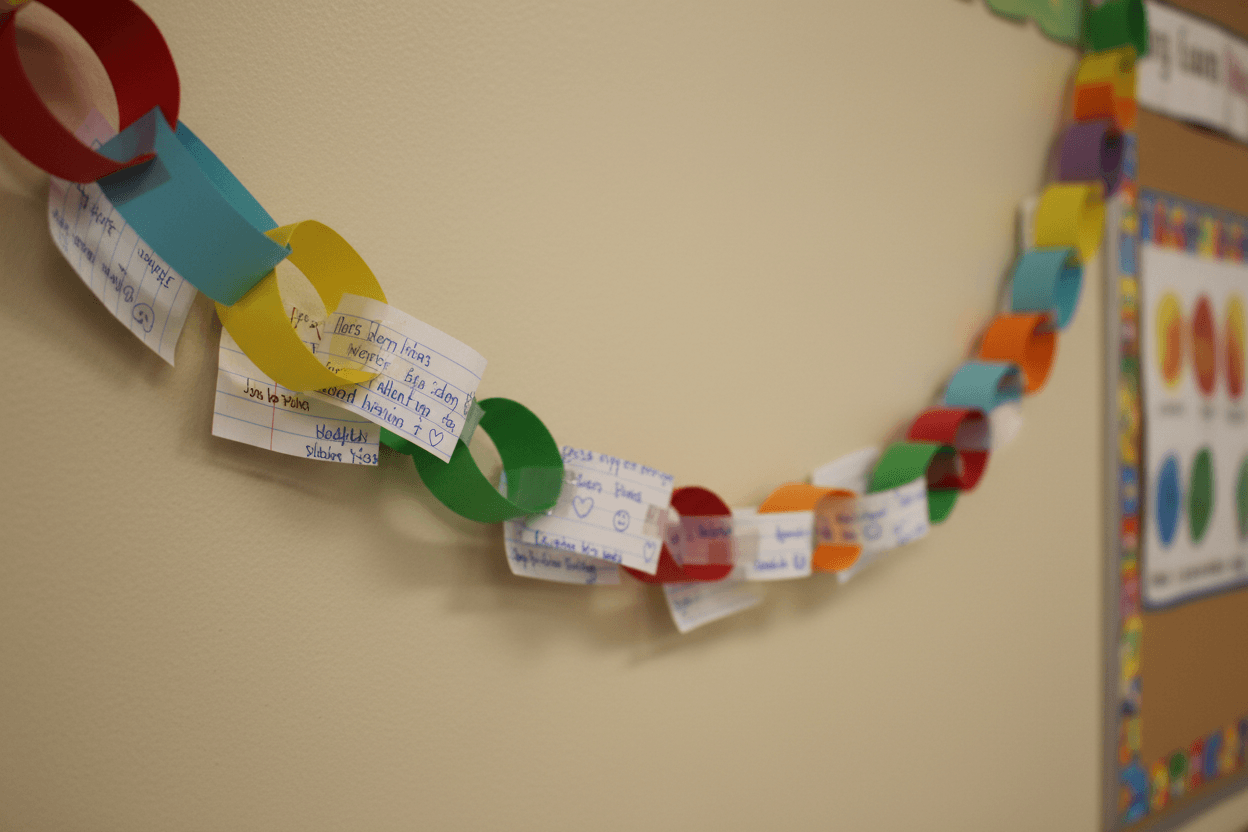
Emotion regulation is the SEL skill parents ask about more than any other. It sits inside the CASEL self-management competency but it has its own vocabulary and its own set of tools. A good newsletter on this topic does not try to teach parents the whole field. It picks one frame, names it clearly, and gives them a single thing to try at home tonight.
What emotion regulation actually means
It is the ability to notice a feeling, gauge how big it is, and choose what to do next. Regulation is not the absence of feeling. A regulated kid still feels furious, scared, embarrassed, or crushed. They just have a few more tools for what to do with the feeling once it shows up.
The size-of-the-feeling scale
We have been using a four-level scale all month. Level one is a small bump, like a tiny annoyance. Level two is a medium frustration. Level three is a big feeling, like real anger or sadness. Level four is overwhelming, where the body takes over and thinking gets hard. Different sizes need different tools. A level one might just need a breath. A level four needs a calm adult close by and time to come down.
Zones of regulation in plain words
Some schools use the Zones of Regulation language, which sorts feelings into four color groups. Blue is low energy, like tired or sad. Green is calm and ready. Yellow is heightened, like excited or frustrated. Red is overwhelming, like furious or terrified. The colors are useful because they take the moral weight off feelings. There is no good zone or bad zone. Each one just tells you what your body needs next.
Why suppression is not the goal
Some kids learn to clamp down on big feelings, and adults often praise them for it. That is not regulation, it is suppression. A kid who shoves a feeling down still has the feeling. It surfaces later, usually as a meltdown over something small. Real regulation looks like a kid who can say "I am really frustrated right now" and then choose a tool. The feeling is allowed. The choice is the skill.
A short section parents will actually read
On Tuesday, a kindergartener in our class, a kid I will call P, dropped her water bottle and watched it roll under the rug. Her face got red. She froze. I crouched down and said, "Where are you on the size scale?" She held up three fingers. I said, "Okay, let us breathe together." We did pinwheel breaths for thirty seconds. After, she said, "Now I am at a one." She picked up the water bottle and went to her seat. That whole loop took about ninety seconds.
The skill we have been practicing is called emotion regulation. It is recognizing the size of a feeling and using a tool that matches. At home, you can try one prompt tonight: "When you felt your biggest feeling today, where would you put it on a one-to-four scale?"
What to do during the big moment
Skip the lecture. A kid in level four cannot learn anything. The thinking brain is offline. Stay close. Lower your voice. Make your body small. Wait. Once the wave passes, then you talk. That is when the brain can take in what just happened and tuck it away as a lesson.
Common pitfalls in emotion-regulation newsletters
The first pitfall is treating big feelings as a problem to stop. They are not. They are information. The second pitfall is implying that a well-regulated kid is one who never melts down. Even adults melt down sometimes. The third pitfall is recommending a single tool as if it works for every feeling. Match the tool to the size. That distinction is the whole frame.
Subject lines that get opened
"The ninety-second loop P used after dropping her water bottle" gets opened. "Classroom News Week 9" does not. Try "How we talk about big feelings in our class" or "One question to ask your child about a big feeling today." Story-driven subject lines win. Write the subject after the body, once you know which moment is the anchor.
Length, cadence, and visuals
Keep the body to 350 to 500 words. Two short sections. One photo of a calm-down corner or a feelings scale on the wall, with permissions cleared. Send every two to three weeks. Parents read on their phones. If the newsletter does not fit on one screen, it is too long. Cut a section before you cut a prompt.
How Daystage helps with emotion regulation newsletters
Daystage drafts SEL newsletters from a few notes you type in. The emotion regulation template includes the size-of-the-feeling scale, a real classroom example, and one prompt for the dinner table. You read, edit, send. Most teachers finish the whole thing in under ten minutes.
Get one newsletter idea every week.
Free. For teachers. No spam.
Frequently asked questions
What is emotion regulation?
It is the ability to recognize a feeling, adjust how big it is, and choose what to do next. Emotion regulation does not mean making feelings go away. It means working with them instead of being run by them.
What is the size-of-the-feeling scale?
A simple way to teach kids that not every feeling is a four-alarm fire. Small annoyance, medium frustration, big anger, overwhelming meltdown. Different sizes need different tools. A small feeling might just need a deep breath. A big one might need an adult close by.
Is suppressing feelings the goal?
No. Suppression is the opposite of regulation. A kid who shoves a big feeling down still has the feeling. It just comes out later, usually at the worst time. Regulation means feeling it and choosing what to do, not pretending it is not there.
What can parents do during a meltdown?
Sit close. Lower your voice. Skip the lecture. A kid in a big feeling cannot learn in that moment. Wait for the wave to pass. Once they are back, talk through what happened. That is when the learning sticks.
Does Daystage have an emotion regulation template?
Daystage has SEL templates for all five CASEL competencies and adjacent skills like emotion regulation. You type a few notes from your week. Daystage drafts a newsletter with a classroom example, a plain-language explanation, and one prompt. You send it in under ten minutes.

Adi Ackerman
Author
Adi Ackerman is a former classroom teacher and curriculum writer with 8 years in K-8 schools. She writes about school communication, parent engagement, and what actually works in real classrooms.
More for Social-Emotional Learning
Ready to send your first newsletter?
3 newsletters free. No credit card. First one ready in under 5 minutes.
Get started free