
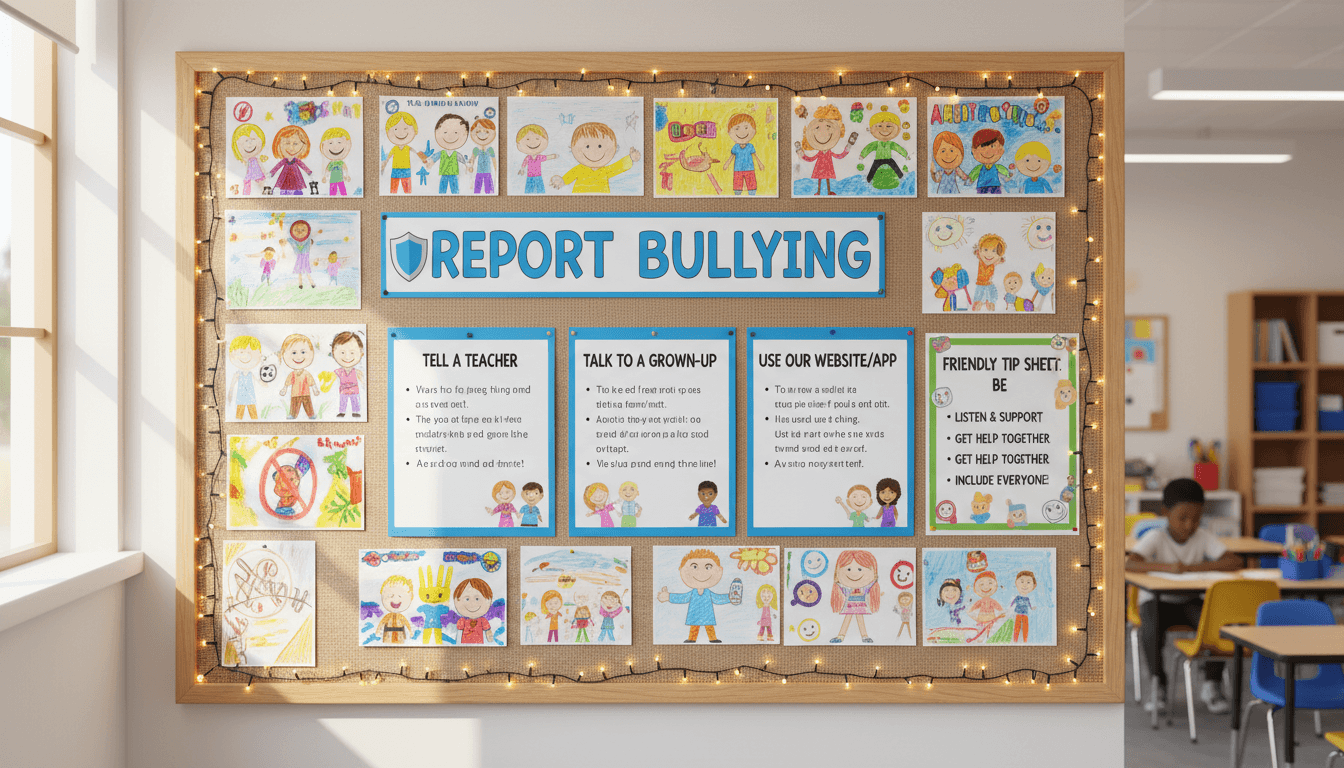
SEL Newsletter on Anti-Bullying: A Template That Explains It
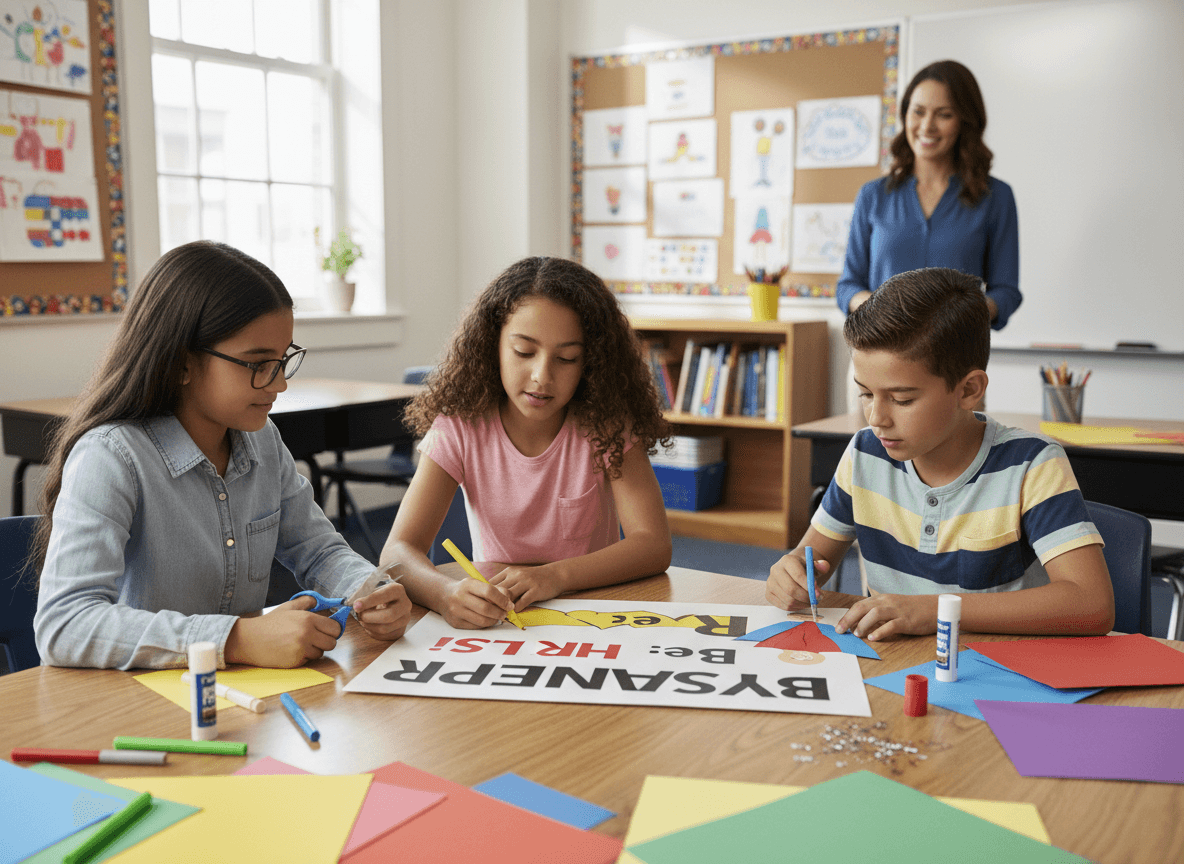
An anti-bullying newsletter is the one that scares teachers most. The topic is heavy and parents arrive with stronger opinions than usual. The way through is the same as every other SEL newsletter. Describe what your class is learning to do, name the moves, and give parents one specific thing to say at home.
Reporting vs. tattling, in plain words
The first sentence of the unit, in class and in the newsletter, is the distinction. Reporting is telling an adult about something unsafe so it can be stopped. Tattling is telling an adult about something annoying to get someone in trouble. Kids can sort the two once they have the language. Tell parents the words. At home, when a child says "Sam took my pencil," the parent can ask "are you tattling or reporting?" The answer usually surprises the kid.
Bystander roles
Three roles in any conflict. The kid being targeted, the kid doing the targeting, and the kids watching. Most of the class is in the third group. The behavior continues because the watchers do nothing. Teach four moves bystanders can make. Stand near the kid being targeted. Say something out loud, even a short "stop". Walk the kid away. Tell an adult after. Pick the two that fit the moment.
The repeat-behavior question
Bullying has three markers in most school definitions. Intentional harm. A power difference. A pattern over time. The last one is where parents and kids get stuck. A single hard moment between two third graders is not bullying. It is a hard moment that needs a repair conversation. A pattern of one kid targeting another for weeks is something else. The question "is this happening repeatedly?" is the screen. Give parents the question.
What teachers do when a kid reports
Parents are often unsure what happens after their child speaks up. Write one paragraph that describes the process at your school, in plain language. "When a student reports something, I write it down, talk to the other student privately, and notify our school counselor if the pattern continues." That single paragraph reduces a lot of parent anxiety because they know the system is real.
A short example
Here is the kind of section that works without naming names:
This week, a student came to me about something that had been happening at recess for several days. We talked through the difference between a one-time hard moment and a pattern. The pattern part was clear. I spoke with the other students involved, and we set a plan for the next two weeks. I will watch closely and check in. If you notice a change in how your child talks about recess in the next few days, please email me and we can talk.
At home, ask "is this happening every day or did it happen once?" before deciding how to respond. The question matters more than the answer.
What not to write in an anti-bullying newsletter
Do not name students. Do not promise outcomes you cannot guarantee. Do not paste in the district's policy document and call it a newsletter. Parents read the first paragraph and decide whether to keep going. Lead with what you do, not with the rules.
How Daystage helps with anti-bullying newsletters
Daystage was built for the newsletters teachers most want to get right. You type three short notes about what your class practiced this week. Daystage drafts a clear, parent-ready newsletter with the reporting and bystander language built in, formats the email, and sends it to every family on your class list. The anti-bullying template avoids naming students by default and keeps the tone steady.
Get one newsletter idea every week.
Free. For teachers. No spam.
Frequently asked questions
What is the difference between reporting and tattling?
Reporting is telling an adult about something unsafe so it can be stopped. Tattling is telling an adult about something annoying to get someone in trouble. Kids can tell the difference once you name it. The newsletter is the place to give parents the same words you use in class.
How do you explain bystander roles in a newsletter?
Three roles. The kid being targeted. The kid doing the targeting. The kids watching, which is most of the class. The watchers are the tipping point. Most bullying continues because the bystanders do nothing. Teach kids what to do when they see it, and tell parents what those moves are.
What is the repeat-behavior question?
Bullying is not one bad moment. It is a pattern of intentional harm over time, usually with a power difference. The question 'is this happening repeatedly?' is what separates a hard day from a bullying situation. Parents need the question so they can ask it before escalating.
Should the newsletter name a specific incident?
Never. Confidentiality matters and so does dignity. Describe the skill without describing the kid. 'This week a student came to me about something that had been happening at recess. We talked through what to do next.' That tells parents the system works without exposing a child.
Can Daystage write an anti-bullying newsletter for me?
Daystage drafts a parent newsletter from a few short notes about what your class practiced that week, formats the email, and sends it to every family on your roster. The anti-bullying template builds in the reporting language and the bystander roles so the message stays consistent.

Adi Ackerman
Author
Adi Ackerman is a former classroom teacher and curriculum writer with 8 years in K-8 schools. She writes about school communication, parent engagement, and what actually works in real classrooms.
More for Social-Emotional Learning
Classroom Community Building Newsletter: What to Send the First 30 Days
Social-Emotional Learning · 6 min read
School Mental Health Awareness Newsletter: A Calm, Direct Template
Social-Emotional Learning · 6 min read
SEL Newsletter for Teachers: Communicating Without the Buzzwords
Social-Emotional Learning · 6 min read
Ready to send your first newsletter?
3 newsletters free. No credit card. First one ready in under 5 minutes.
Get started free