
Fourth Grade SEL Newsletter: A Template With Real Sections
Fourth grade is the year social hierarchies stop being a theory and start being a daily fact in the room. A small group sets the tone. Other groups orbit it. The kids who used to play with everyone notice that not everyone wants to play with them. A fourth grade SEL newsletter that pretends none of this is happening loses parents fast. One that names what is happening, in calm and specific language, earns trust for the rest of the year.
Name the social pattern of the month
Each month has a dominant pattern. Some weeks it is the sports group running recess. Some weeks it is the group of girls who eat lunch in a tight circle. Some weeks it is a new alliance that surprised everyone. Pick the pattern that is loudest in your room and describe it in two sentences. No names, ever. The frame is the point.
Tell parents the 'everyone is friends' myth is over
Fourth graders know they do not have to like everyone. They also need to know the difference between kindness and friendship. A newsletter section that names this clearly sets parents up to reinforce the same standard at home. "In our classroom, you do not have to be friends with everyone. You do have to be kind to everyone. Those are two different things, and we talk about them separately."
The journaling routine, described once
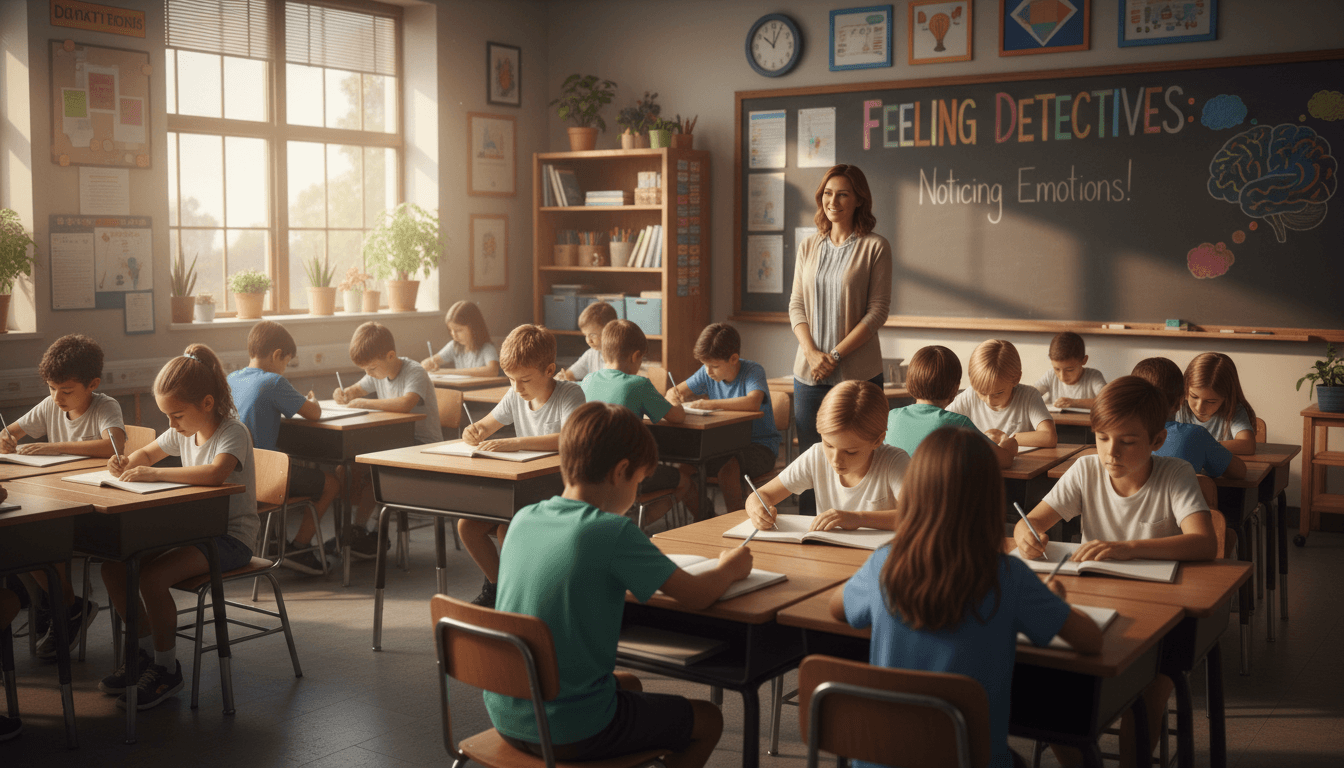
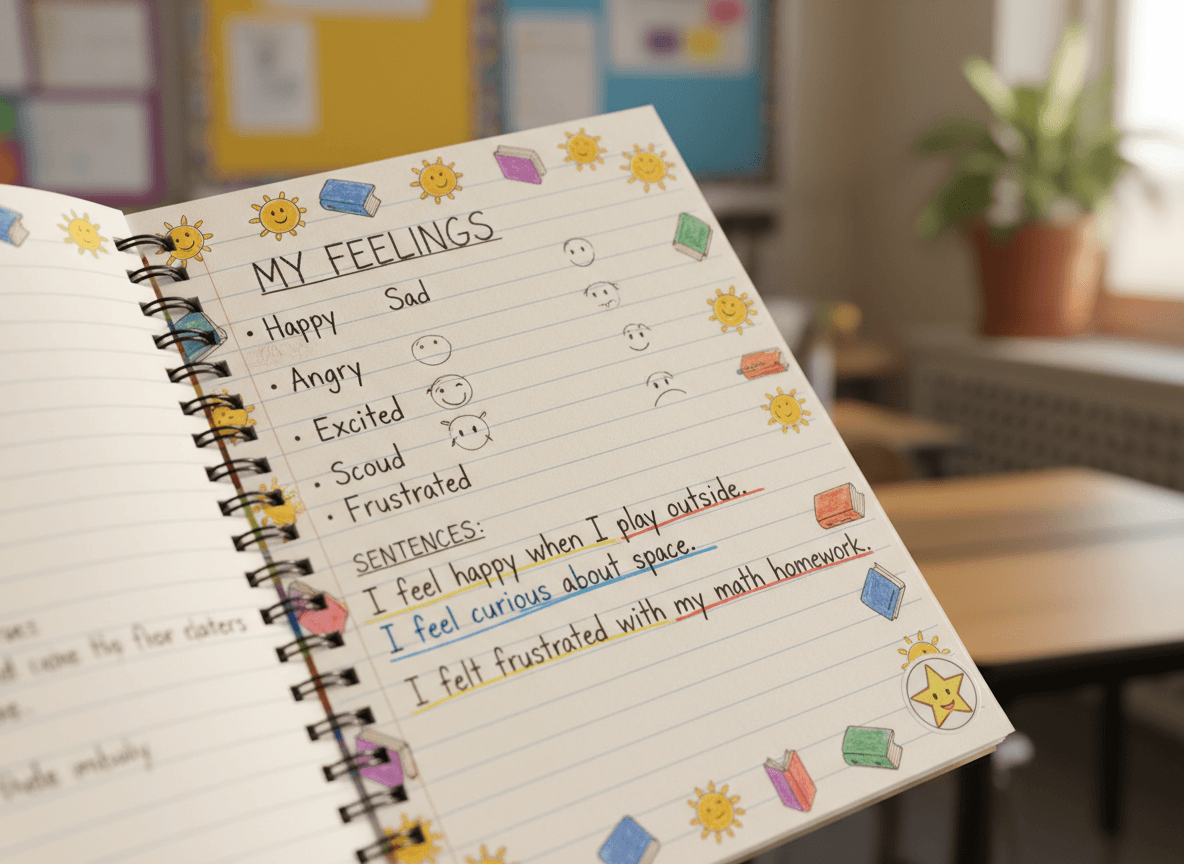
If your class does end-of-day journaling, describe how it works. Two minutes, one prompt, students write one feeling they noticed in themselves during the day and what was happening when they noticed it. That is the whole structure. Tell parents you do not read every entry. The point is the noticing, not the surveillance. Parents who understand the routine stop asking to see their child's journal.
One example of a 200-word section
The pattern I noticed this week was the lunch-table configuration. We have 24 students and three full tables. For the past two weeks, the same five kids have been sitting at one end, and the same three kids have been sitting alone at the other end. Today, we talked about it in morning meeting. Not by name. Just the pattern. We decided to try mixed-seating Mondays for the next month.
The skill we are practicing is called social awareness. It means noticing what is happening around you and asking whether it is what you want. At home, you can build this by asking your child, "Who sat near you at lunch today? Was that what you wanted, or did it just happen?"
One prompt parents can use
Give one short prompt with a clear setup. "Tonight, ask your child to name one moment from the day where they noticed a feeling in themselves. Just the noticing. Not what they did with it." That kind of prompt teaches parents how to model the journaling routine in conversation.
Watch the tone of the moment-of-the-week
Fourth graders are old enough to recognize themselves in a story. If you describe a real moment, generalize enough that no one student can be identified. "Three students" not "two students." Compress the timeline. Move the day. The point of the moment is the pattern, not the identification.
Subject lines that earn the open
"What I noticed at the lunch tables this month" gets opened. "Fourth Grade Update, October" does not. Lead with the story. Always. Even a parent who is rushing reads four more words to find out what you noticed.
How Daystage helps with fourth grade SEL newsletters
Daystage has a fourth grade SEL template with the social pattern, journaling routine, real moment, and home prompt as preset sections. You type a few short notes. Daystage drafts the newsletter in plain language. The class roster is managed in one place. Sending takes one click. Most teachers spend 10 to 15 minutes per issue, on a biweekly cadence that actually holds for a full school year.
Get one newsletter idea every week.
Free. For teachers. No spam.
Frequently asked questions
What is the social shift in fourth grade that parents miss?
Social hierarchies form. The 'everyone is everyone's friend' line that worked in second and third grade stops being true. A small group sets the tone for the class. The kids inside the group know who is in. The kids outside it know they are not. A newsletter that names this honestly, without naming names, gives parents the frame they need.
Should the newsletter mention specific social dynamics?
Mention the pattern, never the people. 'A small group has been setting the playground rules this month. We talked about who gets to decide what counts as a game.' Parents understand. They were in fourth grade once. The vague 'we are working on inclusion' line tells them nothing.
How does journaling fit into a fourth grade SEL routine?
Fourth graders can write more than they can say. A two-minute end-of-day journal where they name one feeling they noticed in themselves builds vocabulary faster than any class discussion. The newsletter does not share student writing. It shares what the routine is and what patterns the teacher is noticing across the class.
What if parents push back on the 'everyone's friend' framing being a myth?
Some parents hold the line that all children should be friends with everyone. The newsletter does not argue. It describes what the class is actually doing. 'We are practicing the difference between being kind to everyone and being friends with everyone. The first is a class expectation. The second is a personal choice.' Parents who read that often relax.
Can Daystage handle a fourth grade SEL newsletter on a weekly cadence?
Daystage has a fourth grade template with the sections preset. Most fourth grade teachers send every two weeks, which the template also supports. You type four or five lines of notes. Daystage drafts the newsletter, sends to the class roster in one click, and tracks who opened. Most teachers spend 10 to 15 minutes per issue.

Adi Ackerman
Author
Adi Ackerman is a former classroom teacher and curriculum writer with 8 years in K-8 schools. She writes about school communication, parent engagement, and what actually works in real classrooms.
More for Social-Emotional Learning
SEL Newsletter for Teachers: Communicating Without the Buzzwords
Social-Emotional Learning · 6 min read
Classroom Community Building Newsletter: What to Send the First 30 Days
Social-Emotional Learning · 6 min read
School Mental Health Awareness Newsletter: A Calm, Direct Template
Social-Emotional Learning · 6 min read
Ready to send your first newsletter?
3 newsletters free. No credit card. First one ready in under 5 minutes.
Get started free