

Science Newsletter for an Energy Types Unit: Sections to Send
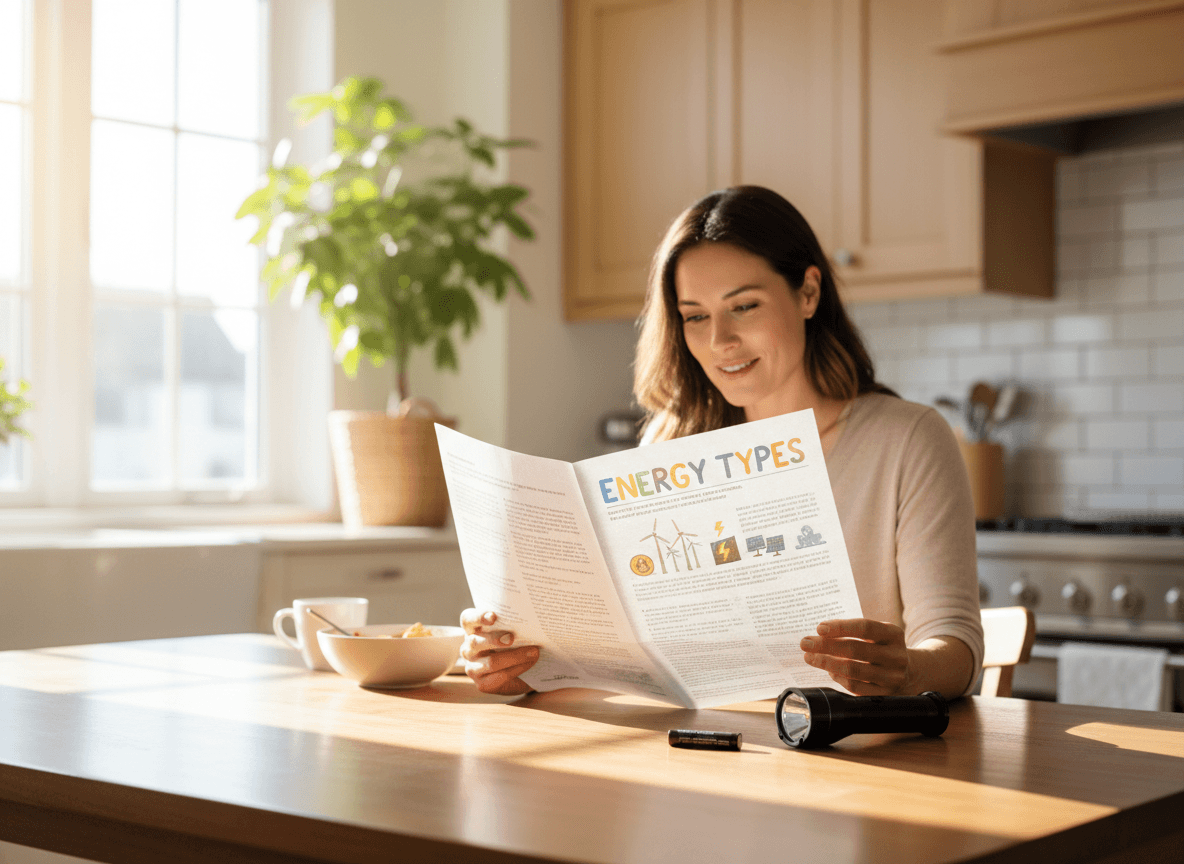
Energy is one of those topics where every parent has used the word a thousand times without thinking about what it means. The newsletter does not have to teach them. It just has to name the two big categories, point at one transformation, and send the kid home with a 5-minute activity. Five short sections, under 300 words, and the unit covers cleanly across three to four weeks.
Open with one transformation students saw
Lead with the demo or investigation. "This week we wound up a toy car, let it go across the floor, and measured how far it rolled. We traced the energy from a stretched spring (stored) into motion (the car rolling) into heat (the car warming up the floor a tiny bit through friction)." A parent reads that and pictures the whole chain.
Define kinetic and potential in two sentences
Kinetic energy is the energy of something moving. Potential energy is stored energy that could move something later. That is the distinction students need at the middle school level. Parents who read it can ask their child to spot one of each on the way to school.
Pick one transformation per issue
Battery to flashlight beam (chemical to electrical to light). Food to running (chemical to motion). Sun to warm sidewalk (light to heat). One per newsletter is plenty. Parents repeat what they read once. They forget what they read five times.
Give one home spotting activity
"List five things at home that involve energy changing from one form to another. The toaster, the TV, the blender, a wind-up toy, a candle. Bring the list Friday." Five minutes, no supplies, real practice with the central idea.
Template excerpt: a sixth grade transformation week
Here is what a clean issue looks like:
What we did: Wound up a spring-powered toy car, let it go, and measured how far it rolled (average across 5 trials: 4.2 feet). Traced the energy from stored (spring) to motion (rolling) to heat (friction on the floor).
Vocabulary: Kinetic energy (energy of motion), Potential energy (stored energy), Energy transformation (energy changing form, like battery to light bulb).
At home: List five things at home that change energy from one form to another. Bring the list Friday.
Coming up: Heat transfer investigation Tuesday. We wrap thermometers in different materials and see which keeps the cold longest.
State the conservation law plainly
Drop one sentence into the unit's second newsletter. "Energy is not created or destroyed in everyday situations. It just changes form." That sentence holds up the whole unit. Parents who see it once anchor every later concept to it.
How Daystage helps with an energy types newsletter
Daystage gives you the five-section template ready to fill each week. Drop in the recap, the vocabulary, the home activity, and what is next. It sends as a real email to every family on your class list, formatted clean for a phone screen. The whole Sunday version of this job runs in fifteen minutes.
Get one newsletter idea every week.
Free. For teachers. No spam.
Frequently asked questions
How do I explain kinetic vs. potential energy to parents in two sentences?
Kinetic energy is the energy of something that is moving (a rolling ball, a kid running, wind). Potential energy is stored energy that could move something later (a stretched rubber band, a ball at the top of a ramp, a charged battery). That is the full distinction at the middle school level. Parents who read it can ask their kid which kind a wound-up jack-in-the-box has.
What is an energy transformation, in plain words?
Energy changing from one type into another. A battery (chemical) lights a bulb (electrical to light). Food (chemical) lets a kid run (motion). The sun (light) warms a sidewalk (heat). Use one example per newsletter. Parents repeat them and the concept lands.
What is a good at-home activity for an energy types unit?
Energy spotting. Have the kid list five things at home that involve energy moving from one form to another. The toaster (electrical to heat). The TV (electrical to light and sound). The blender (electrical to motion). Five examples, five minutes. Real practice with the transformation idea.
How do we handle the law of conservation of energy at this level?
One sentence. Energy is not created or destroyed in our everyday experiences. It just changes form. That is the whole law at the elementary and middle school level. The math comes in high school. Stating it once in writing gives parents the frame to repeat.
Does Daystage have an energy types newsletter template?
Yes. Daystage gives you a five-section template ready to fill each week with the recap, vocabulary, the at-home spotting activity, and what is coming. It sends to every family on your class list as a real email. You can write the next issue from your phone during prep.

Adi Ackerman
Author
Adi Ackerman is a former classroom teacher and curriculum writer with 8 years in K-8 schools. She writes about school communication, parent engagement, and what actually works in real classrooms.
More for Science Newsletter
Ready to send your first newsletter?
3 newsletters free. No credit card. First one ready in under 5 minutes.
Get started free