
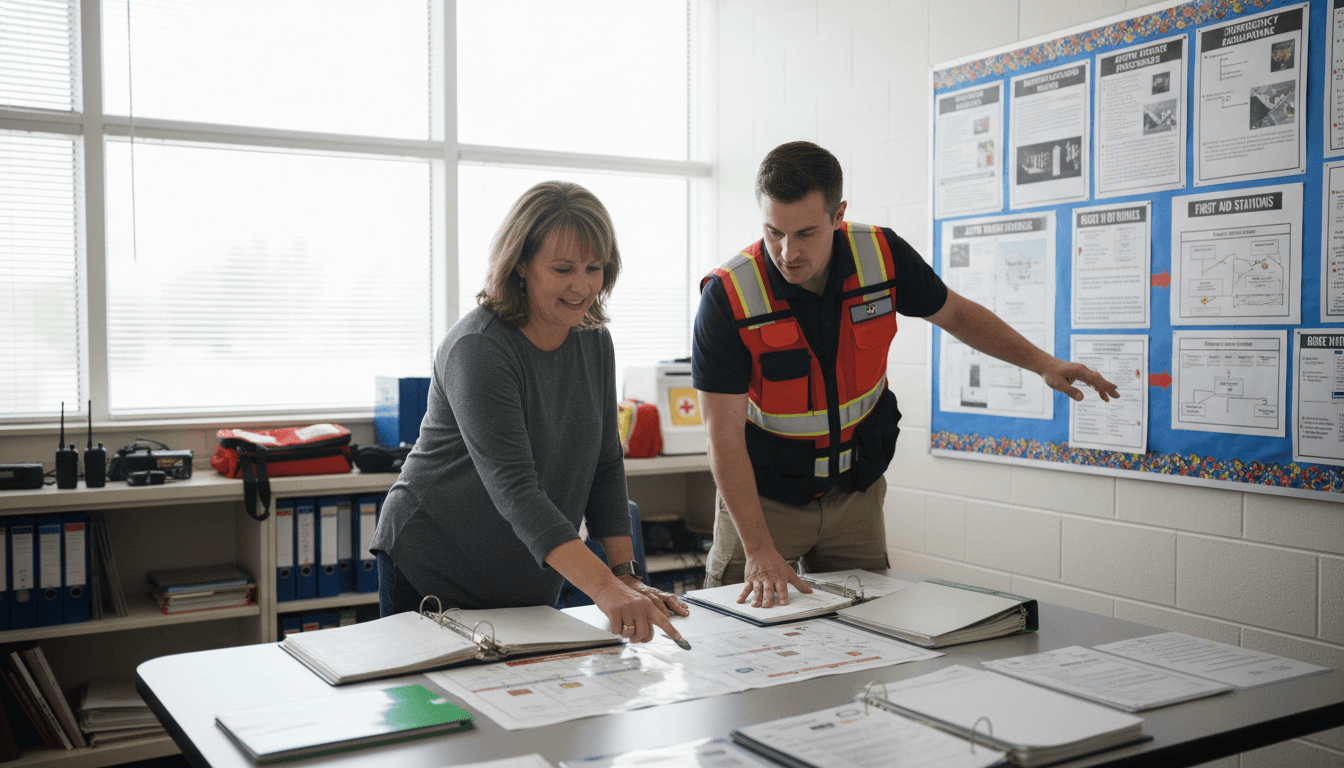
School Natural Disaster Recovery Newsletter: How to Communicate With Families After a Major Event
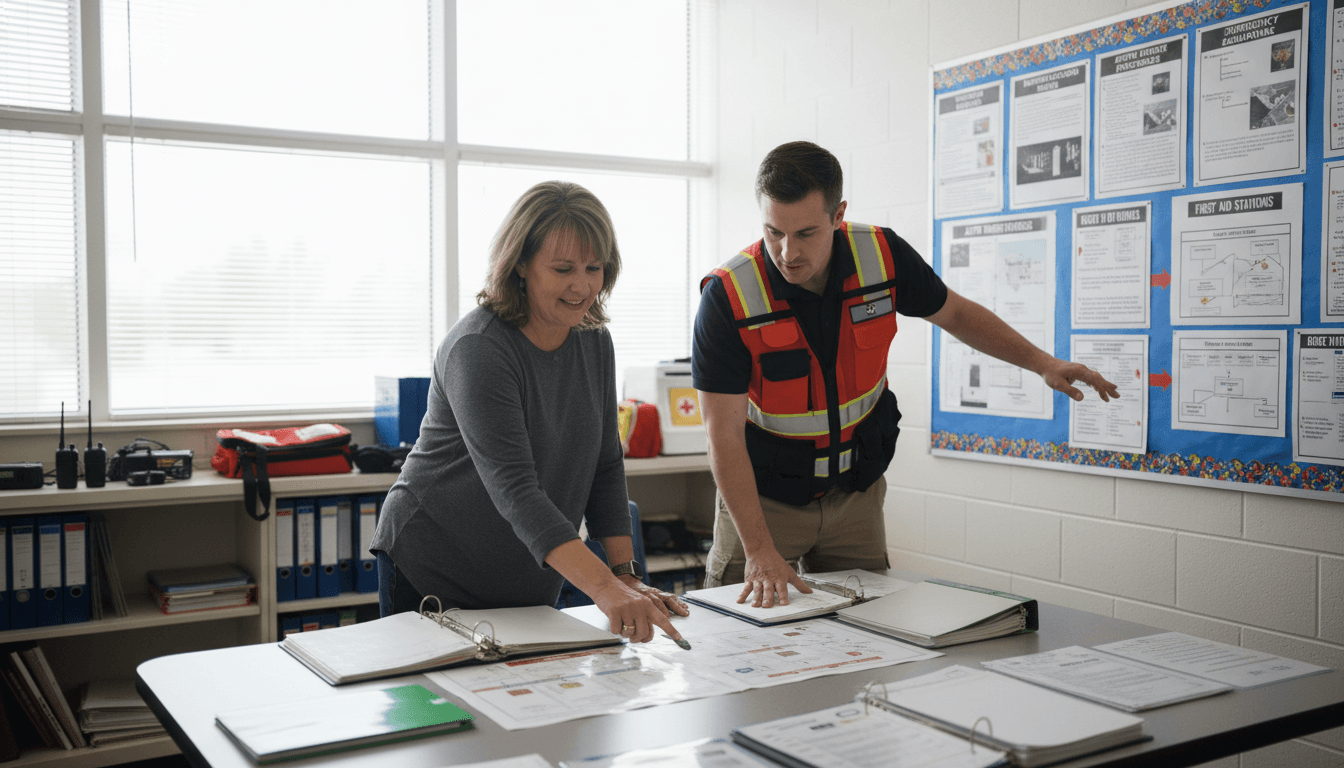
Natural disasters test a school community's communication capacity at exactly the moment that capacity is most strained. Administrators are managing a physically damaged or disrupted building, coordinating with district and local authorities, and trying to support a staff that has also been affected. The families who need information most urgently are the hardest to reach efficiently in that environment. A clear recovery newsletter plan, established in advance and executed systematically, changes that.
The Immediate Post-Disaster Update
Send something within the first few hours of the disaster, even if it only confirms that the school is assessing the situation and will provide a full update by a specific time. This message does three things: it tells families the school communication system is operational, it shows that school leaders are aware and responding, and it gives families a timeline so they know when to expect more information.
The instinct to wait until full information is available before communicating is understandable. It is also the instinct that leads to the information vacuum where rumors spread fastest.
Building Safety Status and Return Timeline
As soon as the building assessment is complete, communicate the result clearly. If the building is safe and school will resume on schedule, say so. If the building requires repairs, name the expected timeline for repairs and the interim learning plan. If the building is severely damaged, describe the alternate site and how students will access it.
Be specific about dates and times even when those specifics are tentative. A family who hears "school will likely resume sometime next week" cannot plan. A family who hears "we expect to reopen on Monday but will confirm by Thursday" can make decisions.
Support Resources for Families Directly Affected
After a significant natural disaster, some families in the school community will have lost property, been displaced, or experienced injury or death of family members. Name the specific community resources available: emergency shelter, food assistance, utility assistance, mental health crisis support, and FEMA or insurance application guidance.
Also give families a way to let the school know they need direct help. Some families will not access public resources without the school's support and advocacy.
Supporting Students Through Trauma and Disruption
Describe common stress responses in children after a disaster: sleep disruption, clinginess, regression in younger children, increased anxiety, changes in eating, and difficulty concentrating. These are normal responses to an abnormal event. Families who know this are less alarmed by them and more equipped to respond with reassurance.
Give specific guidance: maintain routines as much as possible, limit repetitive news coverage exposure for children, answer children's questions honestly at an age-appropriate level, and watch for signs that a child may need additional support beyond what the family can provide at home.
School Mental Health Support Availability
Name the mental health resources the school is making available when students return. School counselors will be available. Additional counselors may be brought in from the district. Community mental health resources may be deployed to the school. Families should know these resources exist before their child returns, so they can arrange access promptly if needed.
Get one newsletter idea every week.
Free. For teachers. No spam.
Frequently asked questions
What should a natural disaster recovery newsletter cover?
The current status of the school building, the timeline for returning to in-person learning, where families can access basic needs resources if the disaster has affected them directly, mental health and trauma support resources for students and families, and what families can do to help their children return to routine.
How quickly should schools communicate after a natural disaster?
As soon as accurate information is available, even if that communication is incomplete. Families in the aftermath of a disaster are anxious and information-hungry. A brief message that says 'we are assessing the building and will update you by [time]' is more valuable than silence while administrators gather complete information.
What if the school building is damaged or unusable?
Communicate the alternate learning plan as soon as it is known. Remote learning, temporary relocation to a partner facility, or split schedules are all options the school may use. Families need to know the plan with enough lead time to arrange childcare and work schedules. Vague timelines create more disruption than specific ones, even when the specific timeline later changes.
How do schools address trauma in a post-disaster newsletter?
Name the experience honestly. Acknowledge that students and families may have experienced fear, loss, or significant disruption. Give families specific guidance on what typical stress responses look like in children and what they can do to support their child. Name the mental health resources the school is making available.
How does Daystage help with post-disaster communication?
Schools use Daystage to send rapid, clear updates to all families during and after a disaster. The platform reaches every family simultaneously, which is critical when timely information prevents confusion and prevents families from making decisions based on rumors.

Adi Ackerman
Author
Adi Ackerman is a former classroom teacher and curriculum writer with 8 years in K-8 schools. She writes about school communication, parent engagement, and what actually works in real classrooms.
More for School Safety
School Drug and Alcohol Policy Newsletter: Communicating Clear Expectations and Support to Families
School Safety · 5 min read
School Parking Lot Safety Newsletter: Communicating Arrival and Departure Rules That Keep Everyone Safe
School Safety · 5 min read
School Visitor Policy Newsletter: Communicating Access Procedures That Families Actually Follow
School Safety · 5 min read
Ready to send your first newsletter?
3 newsletters free. No credit card. First one ready in under 5 minutes.
Get started free