
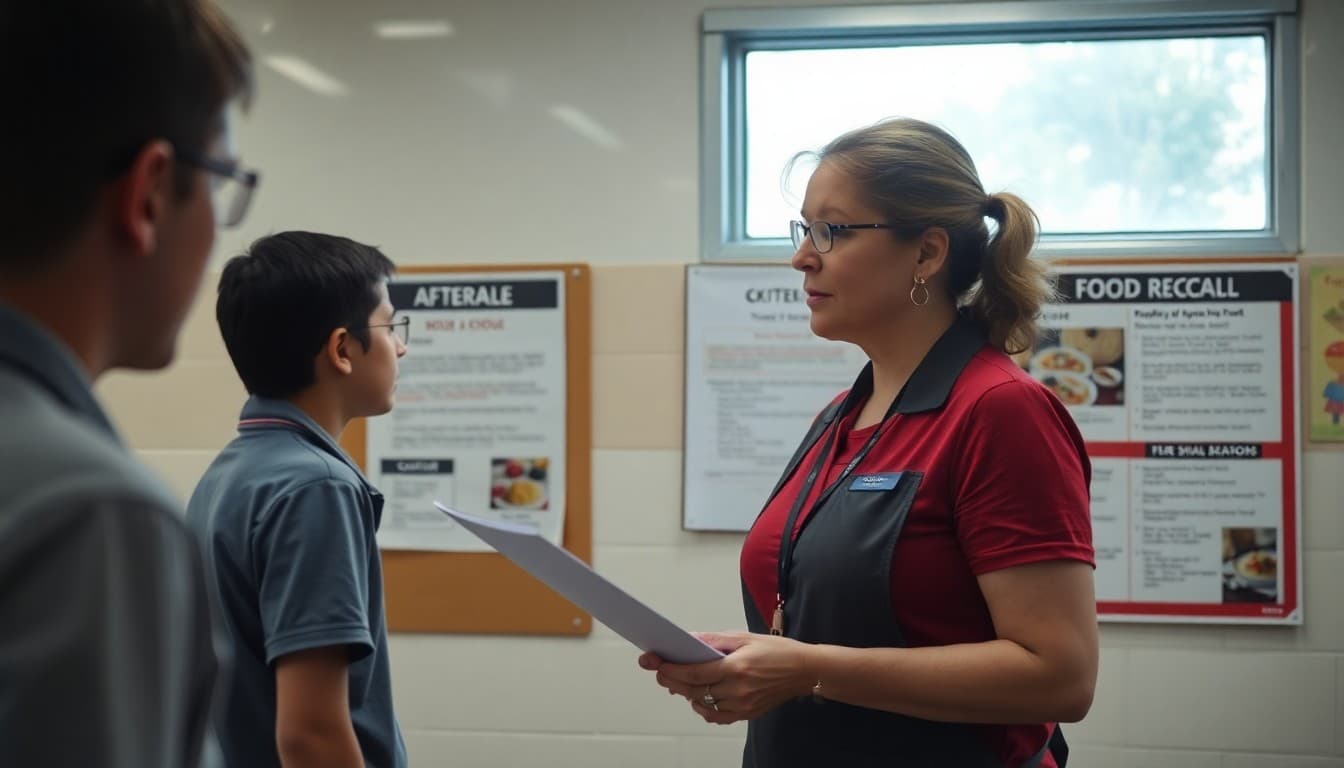
School Newsletter: Food Safety Recall Notification for Families

Food safety recalls affecting school cafeterias require immediate, clear communication with families. The public health implications are real, and families who learn about a recall through news reports before the school communicates will have lasting concerns about the school's food safety practices. A well-written, fast notification demonstrates that the school takes the recall seriously and is putting student health first.
Send the Notification the Same Day You Learn About the Recall
As soon as the school becomes aware that a product served in the cafeteria is subject to a recall, the notification should go out that day. Even if the recall was issued days ago and the product was served last week, immediate communication is better than delayed communication. The sooner families know, the sooner they can watch for symptoms and consult their child's physician if concerned.
Name the Product and When It Was Served
Be specific. Name the recalled product, the brand, and the specific dates it was served in the school cafeteria. Families need to know whether their child actually consumed the product. If you have records of which grade levels or classes were served the product on which dates, include that information so families can assess their child's exposure accurately.
Explain Why the Product Was Recalled
Include the reason for the recall: contamination with a specific pathogen, undisclosed allergens, foreign material, or another cause. Reference the official USDA or FDA recall notice and include the recall number if available. Families who want more detail can look up the official notice, and including the reference shows that your notification is based on official information, not speculation.
Describe the Symptoms to Watch For
List the specific health symptoms associated with the recall reason. For Listeria, Salmonella, or E. coli contamination, the symptoms, incubation period, and severity risk are different. Providing accurate symptom information helps families distinguish between normal illness and a recall-related health concern. Include how long after exposure symptoms typically appear.
Give Families Clear Action Steps
Tell families exactly what to do: if your child consumed the product on the listed dates, watch for the listed symptoms for the next period of time. If symptoms appear, contact your physician and inform them of the possible food exposure. If you have questions, contact the school nurse at this number. Clear, sequential action steps reduce anxiety and produce appropriate responses.
Describe What the School Is Doing
Explain that the recalled product has been removed from service, that the school has reported the exposure to the appropriate health authorities, and that the cafeteria is cooperating with any required investigation. Specific actions demonstrate that the school responded promptly and responsibly.
Provide Contact Information for Follow-Up Questions
Include the school nurse's contact information, the district health coordinator's number, and the link to the official FDA or USDA recall notice. Families with specific medical concerns should be directed to their physician. Families with questions about what their child ate should contact the school directly.
A food recall notification in Daystage can be built from a template and sent to all families within minutes of the school receiving the recall information. Every hour of delay in this type of communication increases both health risk and family concern. Fast, accurate, direct notification is the only appropriate response.
Get one newsletter idea every week.
Free. For teachers. No spam.
Frequently asked questions
When should a school send a food safety recall notification?
As soon as a product served in the cafeteria is included in an official recall, the school should notify families. The notification should go out the same day the school becomes aware of the recall, even if no students have reported illness.
What should the food recall notification include?
Include the name of the recalled product, the dates it was served, the reason for the recall, what health symptoms to watch for, and what families should do if their child shows any symptoms. Include the relevant USDA or FDA recall reference number if available.
How should schools handle situations where students have already consumed the recalled product?
Confirm that students consumed the product, advise families to watch for specific symptoms, provide the contact number for the school nurse or district health coordinator, and encourage families to contact their child's physician if symptoms appear.
Should schools report food recall incidents to health authorities?
Yes. Contact the local or county health department as soon as a potentially significant food exposure is identified. This protects both students and the school district by ensuring appropriate health surveillance is in place.
How does Daystage help with food recall notifications?
Daystage lets administrators send a food recall notification to all families immediately, with clear sections for the product name, served dates, symptoms to watch for, and action steps. Speed is essential in food safety situations, and Daystage delivers that speed.

Adi Ackerman
Author
Adi Ackerman is a former classroom teacher and curriculum writer with 8 years in K-8 schools. She writes about school communication, parent engagement, and what actually works in real classrooms.
More for School Safety
School Newsletter: Communicating After a Cafeteria Incident
School Safety · 6 min read
School Newsletter: Food Allergy Safety Procedures for Families
School Safety · 6 min read
School Cafeteria Safety Newsletter: What Families Should Know About Lunchtime Supervision and Policies
School Safety · 5 min read
Ready to send your first newsletter?
3 newsletters free. No credit card. First one ready in under 5 minutes.
Get started free