
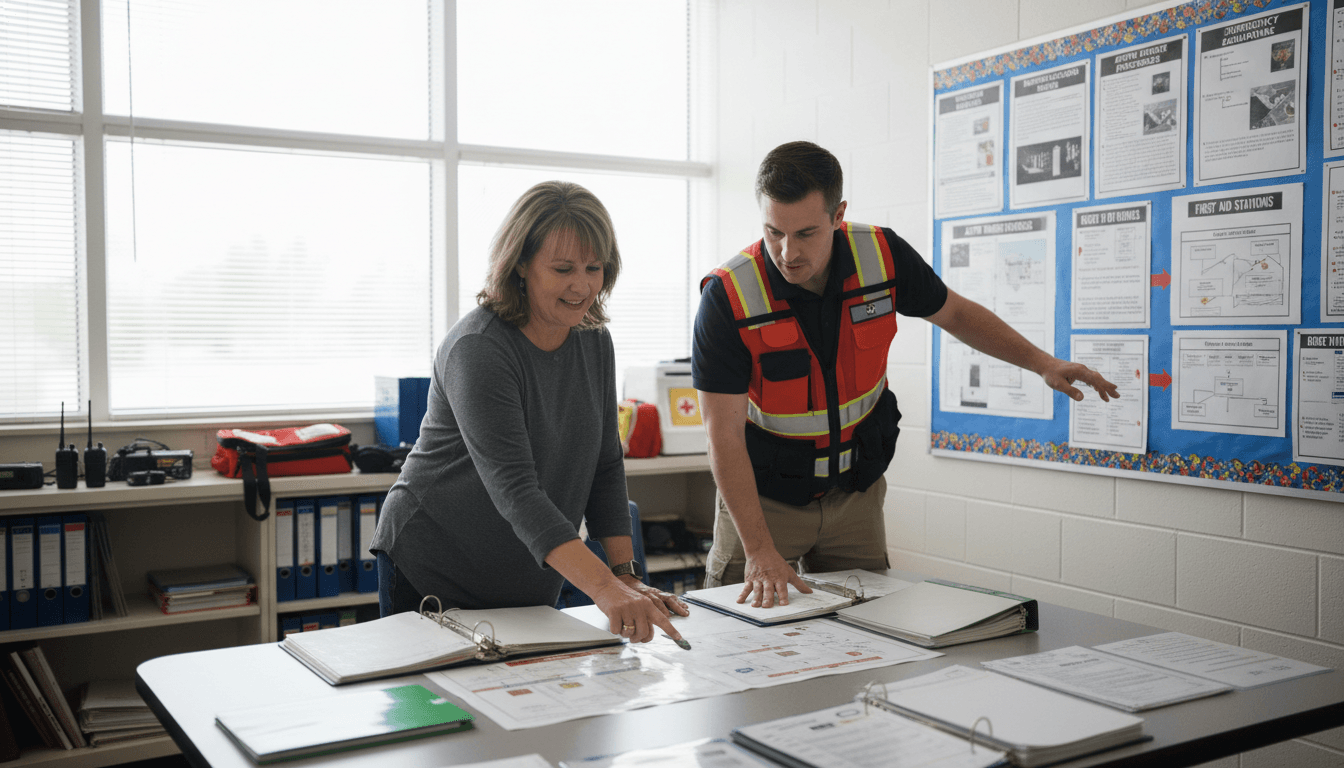
Background Check Policy Newsletter: Communicating Volunteer Screening Requirements to Families
Background check requirements for school volunteers create a genuine communication challenge. Schools need to enforce screening requirements for student safety. They also need volunteers to feel valued and welcomed rather than suspected. Clear, early, respectful communication resolves most of the tension.
Why Background Checks Are Required
Most families understand and accept that schools screen employees who work with children. The same rationale extends to volunteers who have direct, unsupervised access to students. The newsletter should state this rationale plainly: this is a standard practice to protect student safety, not a response to a specific concern about any family member.
Acknowledging that the vast majority of volunteers clear the screening quickly and that the process is designed to be as streamlined as possible helps families see it as a routine requirement rather than an obstacle.
Who Needs to Complete the Screening
Be specific about which volunteer activities require clearance. Classroom parties with the room parent and three other parents present are supervised events where individual screening may not be required. A field trip chaperone who is responsible for a small group of students without a teacher present requires full clearance.
Most family complaints about background check requirements come from misunderstanding which activities require them. Clear definitions prevent families from feeling that they need clearance to attend a school event as a guest.
The Application Process
Include the specific link and a clear explanation of the application steps. Name the processing time, the cost if there is one, and what families receive when the screening is complete. A volunteer who submits an application and then hears nothing for two weeks often assumes there is a problem. Clear communication about what to expect after submission prevents that anxiety.
Timing the Communication
Send the background check communication in August or early September, before the first school events that require volunteering. Families who receive the information in October when field trips are already scheduled are too late to complete the process in time.
Get one newsletter idea every week.
Free. For teachers. No spam.
Frequently asked questions
Who is required to have a background check before volunteering at school?
Anyone who has unsupervised access to students requires a background check in most states. This typically includes field trip chaperones, classroom volunteer helpers who work independently with students, and coaches or activity advisors. The specific requirements vary by state and district. The newsletter should reference the applicable policy and give families a clear path to check their specific situation.
How long does a school background check take and what does it cost?
Processing time varies by state from one to three weeks. Cost varies by school or district, from free to around $20. The newsletter should give specific timelines so families who want to volunteer can plan ahead. Families who find out about background check requirements the week before a field trip are often unable to comply in time.
How do you communicate background check requirements without making families feel suspected?
Frame the requirement as a standard practice that applies to all volunteers equally and exists to protect students, not to investigate families. 'All volunteers who work with students independently complete a standard background screening. This applies to everyone equally and takes about two weeks to process' is welcoming while being clear about what is required.
What happens to background check information after it is processed?
Families often want to know what is done with their personal information. Explain how results are stored, who has access, how long records are kept, and that the school does not see specific criminal history details beyond the pass or fail result from the screening service.
How does Daystage help schools communicate volunteer background check requirements?
Principals and volunteer coordinators use Daystage to send annual volunteer screening newsletters at the start of each year with clear instructions, links to the application, and expected timelines. Getting this communication out early prevents the last-minute scramble before field trip season.

Adi Ackerman
Author
Adi Ackerman is a former classroom teacher and curriculum writer with 8 years in K-8 schools. She writes about school communication, parent engagement, and what actually works in real classrooms.
More for School Safety
Cyberbullying Prevention Newsletter: What Schools Communicate to Families About Online Safety
School Safety · 6 min read
School Anti-Hazing Newsletter: What Families Need to Know About Hazing Prevention
School Safety · 5 min read
School Fire Safety Month Newsletter: Extending the Conversation From School to Home
School Safety · 5 min read
Ready to send your first newsletter?
3 newsletters free. No credit card. First one ready in under 5 minutes.
Get started free