
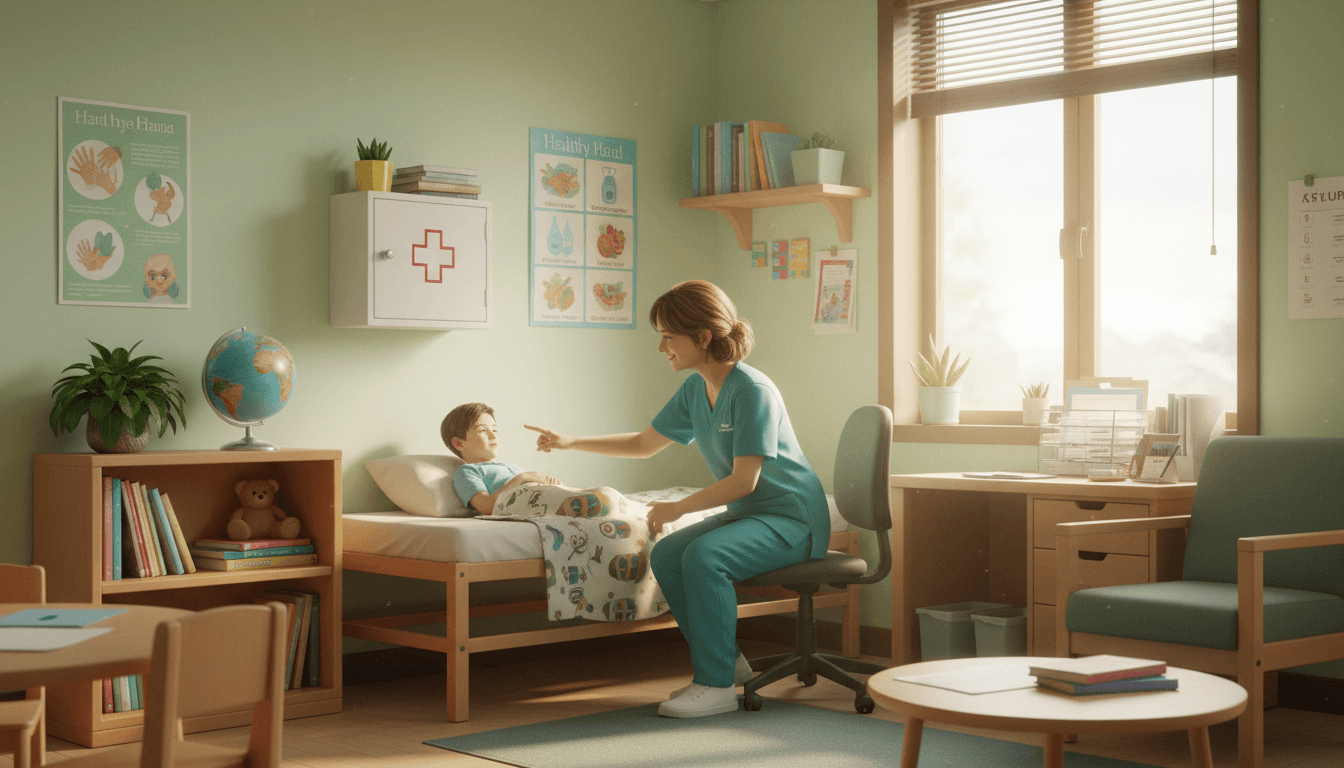
Hand Washing and Hygiene Newsletter: What Schools Can Send to Reduce Illness Transmission
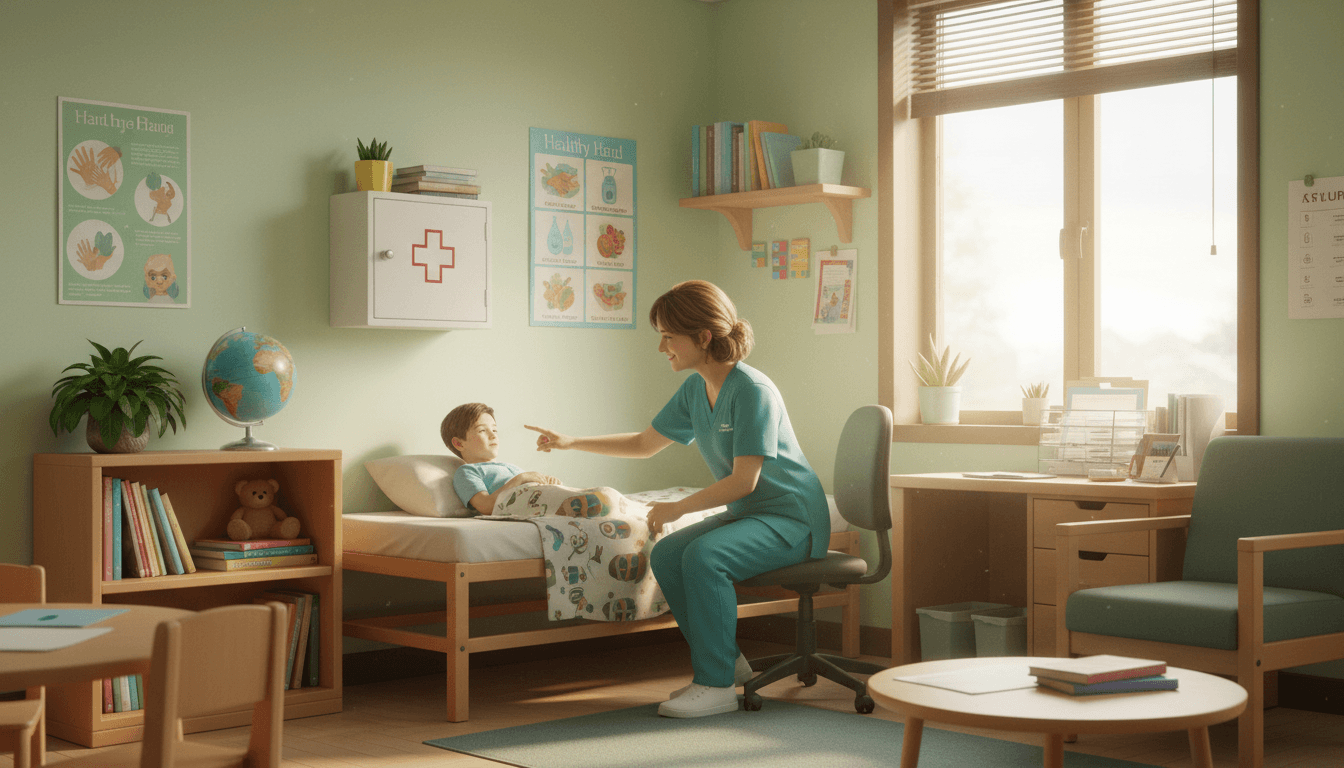
Hand washing is unglamorous as a newsletter topic, but the evidence behind it is strong and the communication gap is real. Most adults know hand washing matters. Most children know hand washing matters. Fewer know the specific moments when it matters most, the duration required to be effective, and why soap and water beat hand sanitizer in many situations. A brief, specific hand washing newsletter fills that gap and gives families something they can immediately reinforce at home.
Start with a number that lands
Hand washing at key moments during the school day can reduce respiratory illness by up to 21 percent and gastrointestinal illness by up to 31 percent, according to CDC data. Starting with a concrete number rather than a general wellness statement gives families a reason to pay attention to content they might otherwise scroll past.
Cover the five moments that matter most
The World Health Organization's Five Moments for Hand Hygiene translates well to a family context. Before eating, after using the bathroom, after blowing noses or touching a used tissue, after handling shared objects in public spaces, and after coming inside from outdoor play. These five moments cover the highest-risk transmission windows in a school-age child's day without requiring them to wash hands constantly.
Teach the technique, not just the habit
A quick rinse under water does very little. Effective hand washing requires soap, at least 20 seconds of friction on all surfaces of the hands including between fingers and around nails, rinsing thoroughly, and drying with a clean towel. The 20-second standard is the most useful specific guidance for children: sing the Happy Birthday song twice, or another song of similar length. Give children something concrete to count.
Explain when hand sanitizer is and is not enough
Alcohol-based hand sanitizer kills many germs but does not remove dirt, food particles, or some types of pathogens as effectively as soap and water. Before eating, soap and water is always the better choice. When soap and water are not available, a sanitizer with at least 60 percent alcohol is the right substitute. Explaining this distinction helps families make the better choice rather than defaulting to sanitizer in every situation.
Cover shared surfaces at school that families may not think about
Classroom desks, doorknobs, pencil sharpeners, water fountain buttons, and shared classroom supplies are among the highest-contact surfaces in a school. A brief mention of these in the newsletter, along with a note that the school cleans high-touch surfaces regularly, helps families understand where their child's hands are most at risk during the day. This context makes the after-school handwashing reminder more credible and more likely to be followed.
Get one newsletter idea every week.
Free. For teachers. No spam.
Frequently asked questions
Is a hand washing newsletter worth sending?
Yes. Studies consistently show that proper hand washing is the single most effective behavior for reducing the spread of common illnesses in school settings. Most children and adults wash their hands but do not do it correctly or at the right moments. A newsletter that covers technique and timing has measurable impact.
What hand washing moments should the newsletter highlight?
Before eating, after using the bathroom, after blowing noses, after touching shared surfaces like doorknobs and desks, and after coming inside from outdoor activities. Those five moments cover the highest-risk transmission points in the school day.
Should the newsletter cover hand sanitizer as well as soap and water?
Yes, with the distinction between the two. Soap and water are more effective for removing dirt, food particles, and certain types of pathogens. Hand sanitizer is appropriate when soap and water are not available and for general germ reduction. The newsletter should explain when each is the better choice.
How do you make a hygiene newsletter interesting rather than boring?
Use the 20-second rule concretely: long enough to hum a recognizable song twice. Include a surprising fact about how quickly germs transfer from contaminated surfaces to faces. Families engage with information that is specific and slightly unexpected, not with general reminders to practice good hygiene.
How does Daystage make it easy to include hygiene content in a regular health newsletter?
Daystage lets you set up a recurring wellness tip section in your monthly newsletter format. You can add a brief hand washing or hygiene tip as a standing section that rotates content, without it requiring significant writing time or a separate communication to prepare and send.

Adi Ackerman
Author
Adi Ackerman is a former classroom teacher and curriculum writer with 8 years in K-8 schools. She writes about school communication, parent engagement, and what actually works in real classrooms.
More for School Nurses
Communicable Disease Outbreak Newsletter: What Schools Should Communicate During Active Outbreaks
School Nurses · 6 min read
How to Communicate Your School Illness Policy in a Newsletter
School Nurses · 5 min read
How School Nurses Connect Families to Community Health Resources
School Nurses · 5 min read
Ready to send your first newsletter?
3 newsletters free. No credit card. First one ready in under 5 minutes.
Get started free