
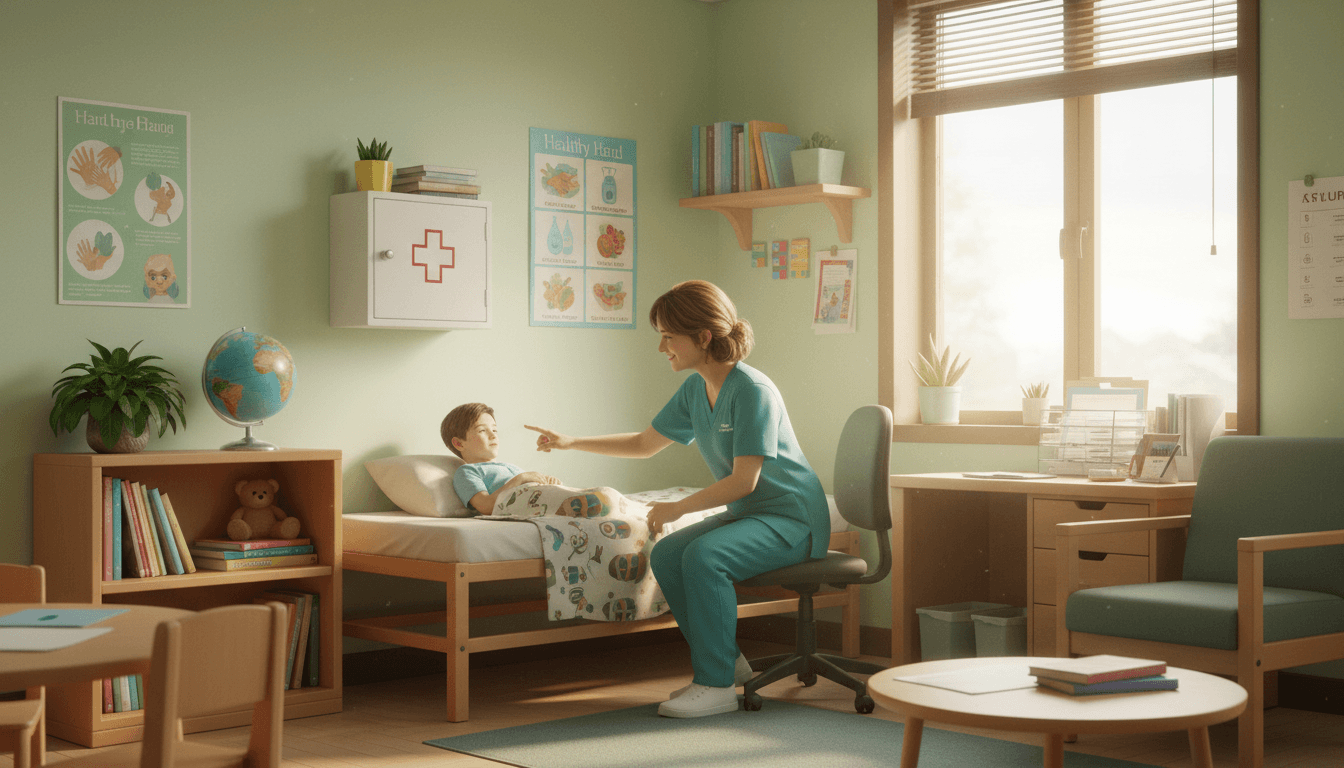
Concussion Protocol Newsletter: How Schools Should Communicate Head Injury Policies to Families
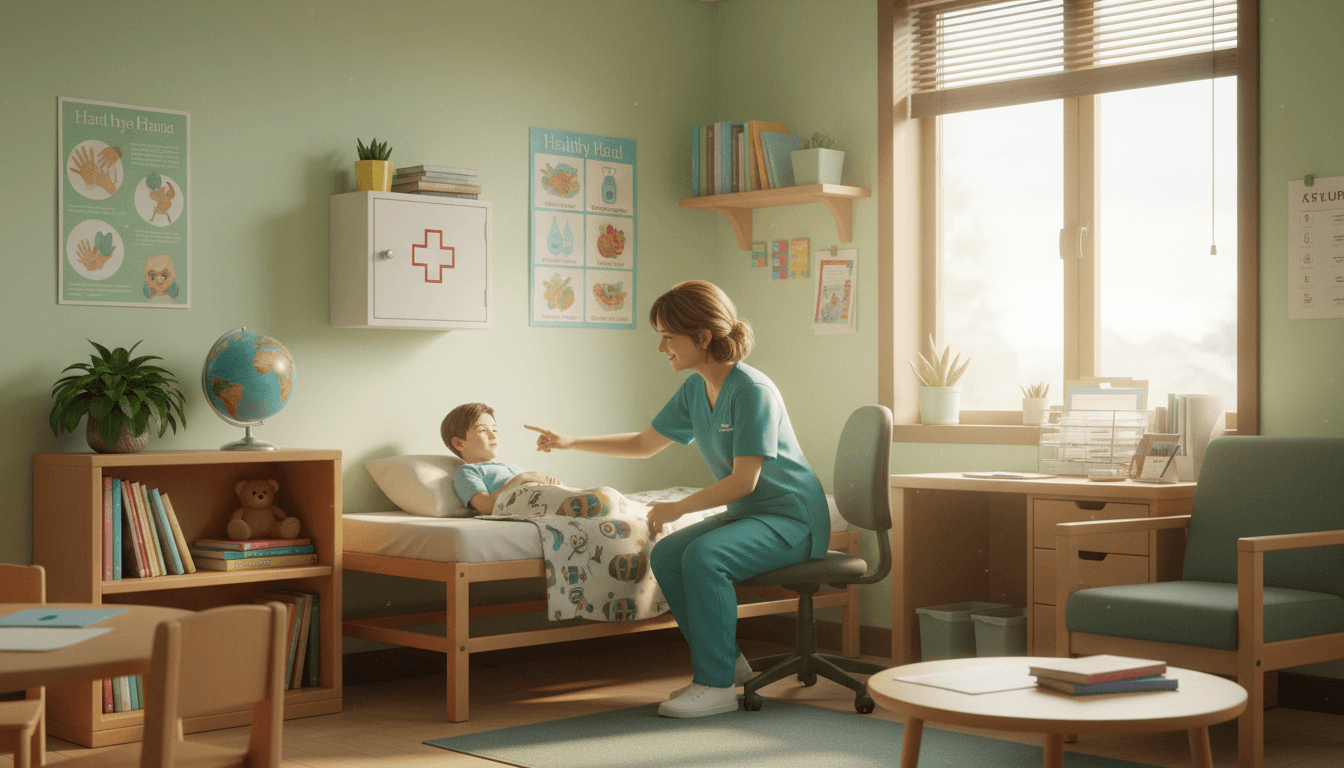
Concussion management in schools has improved significantly over the past decade, but family understanding of the protocol has not always kept pace. Many families still think a concussion means rest for a few days and then back to normal. They do not know about return-to-learn protocols, cognitive rest requirements, or the academic accommodations their child may need during recovery. A concussion protocol newsletter fills that gap before a concussion happens, when families can absorb the information without the stress of an active medical situation.
Describe what a concussion is and what symptoms to watch for
Many families associate concussions with loss of consciousness, but the vast majority of concussions do not involve blacking out. Cover the full range of symptoms: headache, sensitivity to light or sound, difficulty concentrating, memory problems, dizziness, nausea, fatigue, and mood changes. Tell families that symptoms may not appear immediately and can emerge hours after the initial injury. This is one of the most important and least understood aspects of concussion.
Explain what families should do immediately after a head injury
If a head injury occurs at school, the protocol starts with the school. If it occurs outside of school, families need to know to notify the health office before their child returns to school, not after. A student who returns to school after a weekend head injury without notifying the nurse may be sitting in class with an unmanaged concussion, doing cognitive work that slows recovery. Your newsletter should make this notification expectation explicit.
Walk through the return-to-learn protocol
Return-to-learn is a staged process that starts with complete cognitive rest and progresses through stages of increasing academic demand before full return to normal school activities. Explain each stage briefly: rest with no screens or reading, light cognitive activity with breaks, regular academic activity with accommodations, then full return. Families who understand this process are better partners in managing it than families who do not know it exists.
Describe the academic accommodations the school provides
Extended time, reduced workload, permission to leave class if symptoms worsen, a quiet environment for tests, and relief from screen-heavy assignments are the most common concussion accommodations. Explain that the health office coordinates these with classroom teachers so families do not have to navigate each teacher individually. That communication pattern reduces the administrative burden on families who are also managing a child's recovery at home.
Address the return-to-sport standard separately
Return to full physical activity follows a separate protocol from return to learn and is typically more restrictive. In most districts and states, student athletes must receive medical clearance from a licensed healthcare provider before returning to practice or competition after a concussion. State this clearly in any newsletter directed at athletic families, and specify what documentation the health office needs to process that clearance.
Get one newsletter idea every week.
Free. For teachers. No spam.
Frequently asked questions
When should a school send a concussion protocol newsletter?
At the start of the school year, and again before each sports season. Concussions can happen in physical education, recess, and hallways, not just in organized sports, so the communication should reach all families rather than only those with student athletes.
What should a concussion newsletter cover?
How to recognize concussion symptoms, what to do immediately after a head injury, the school notification process, what the return-to-learn protocol involves, and how academic accommodations work while a student is recovering. Those five areas give families everything they need to be an effective partner in concussion recovery.
What is return-to-learn and why does it matter?
Return-to-learn is a graduated protocol for reintegrating a student into academic activities after a concussion, starting with complete rest and progressing through stages of increasing cognitive demand before full return to school. Most families think concussion recovery is about physical rest only. The cognitive rest component is equally important and often more misunderstood.
What academic accommodations do concussed students typically need?
Reduced workload, extended time on assignments, reduced screen time, permission to leave class if symptoms worsen, and a quiet testing environment. The specific accommodations depend on the student's symptom profile. The health office should communicate these to teachers directly once a concussion is diagnosed.
How does Daystage help communicate concussion protocol updates to coaches and families?
Daystage supports sending newsletters to specific groups, so you can send a concussion protocol newsletter to all athletic families before sports season begins and a separate, more detailed version to coaches and PE staff. Both go out from the same account without requiring separate communication systems.

Adi Ackerman
Author
Adi Ackerman is a former classroom teacher and curriculum writer with 8 years in K-8 schools. She writes about school communication, parent engagement, and what actually works in real classrooms.
More for School Nurses
Opioid Awareness in Schools: What Families Need to Know
School Nurses · 5 min read
Nurse's Weekly Health Tips Newsletter: A Format That Keeps Families Engaged Year-Round
School Nurses · 5 min read
School Health Committee Newsletter: Communicating the Work of Your Health Advisory Team
School Nurses · 5 min read
Ready to send your first newsletter?
3 newsletters free. No credit card. First one ready in under 5 minutes.
Get started free