
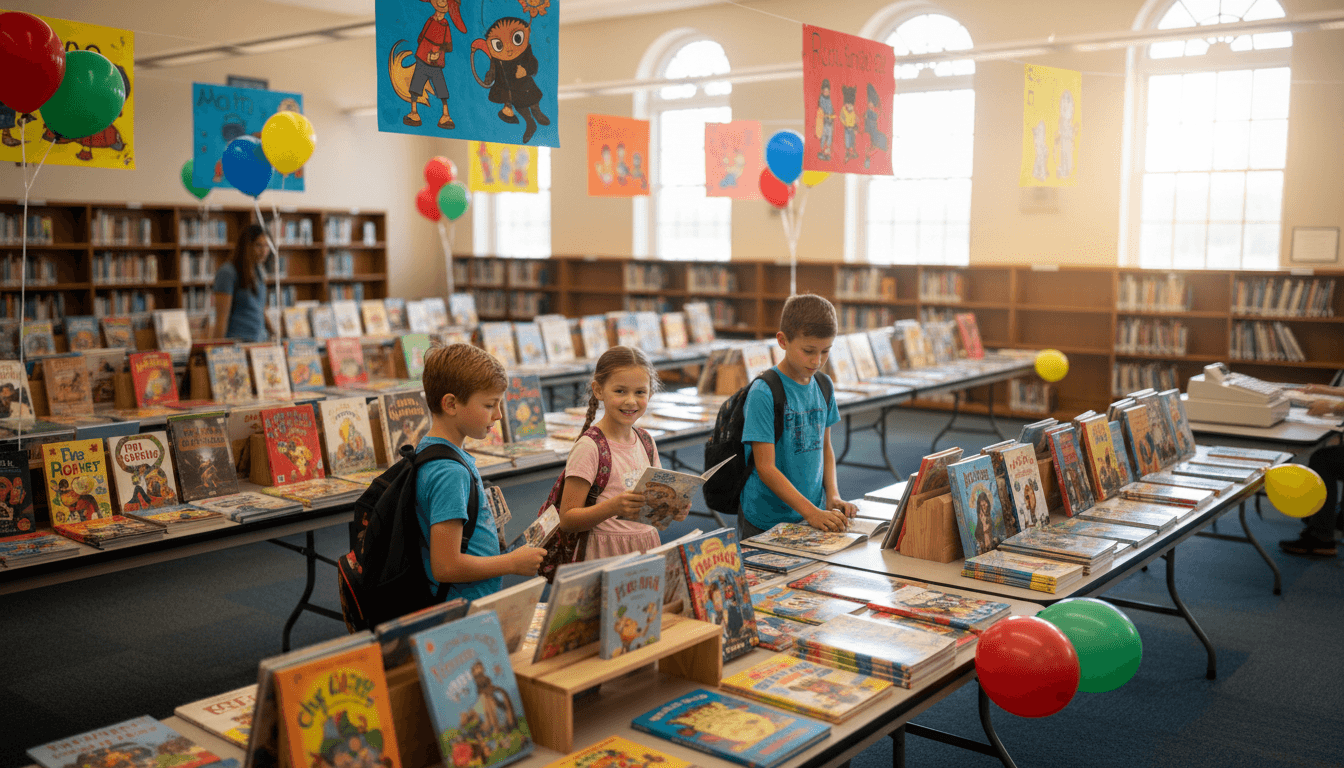
Library Newsletter on Book Checkout Routines: A Template
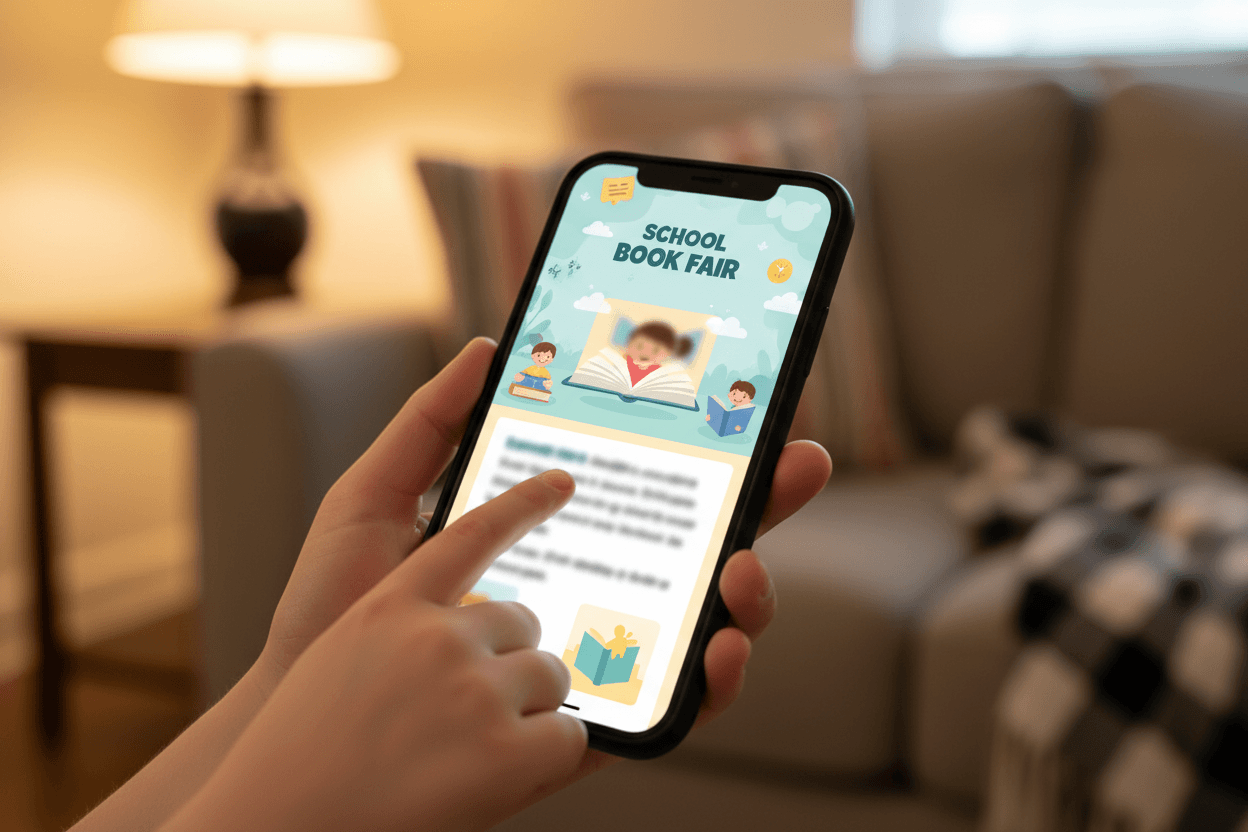
Book checkout routines are the most common question families ask the library, and the answer ends up scattered across six different emails across the year. A short, clear newsletter section solves the problem for the whole school in one send. This is the template that works.
Why checkout rules belong in writing
Verbal rules at the circulation desk reach about a third of families. The rest hear a different version from their kid and end up confused when a book goes missing or a fee shows up. A written policy in the newsletter creates one source of truth. When a parent asks, you point to the link. When a teacher asks, same link.
The grade-by-grade structure
Different ages need different rules. Lumping them all into one paragraph means no one reads carefully. Break it into three blocks: K-2, 3-5, and 6-12. Two sentences per block. Families with multiple kids can find the right line in three seconds.
K-2 checkout rules
One book per week, returned the same day next week. Books travel in the library bag (sent home the first week of school) and come back in the same bag. If a book is left at home, the student picks a new one the following week. No fees for a forgotten book at this age.
Grades 3-5 checkout rules
Two books per week, with a two-week return window. Series books can be renewed once if the next reader is not waiting. Lost books get a replacement notice in March, and the fee is waived if the book turns up by the end of the school year. Damage from normal use is on the library, not the family.
Grades 6-12 checkout rules
Three to five books per checkout, three-week return window. Research materials can be held for a class project with a teacher email. Lost books carry a replacement cost only after a full school year missing. Audiobooks and graphic novels count toward the same limit as print.
Lost and damaged book guidance
State it plainly so families do not panic. "If a book is lost, let the librarian know. We do not charge for a missing book until June. Most of them turn up under a bed or in a backpack pocket by then. Damage from normal reading wear is expected, not billable. If a book is destroyed (water, dog, sibling), email Ms. Ackerman and we work out a replacement together."
Example: Lincoln Elementary library, 412 students, 5,800 titles. Last year the librarian sent the checkout policy in the September newsletter, with a one-line reminder each month. Lost-book write-offs dropped from 47 titles to 19, and family emails about checkout rules went from about three a week to one a month.
The end-of-year return push
Two weeks before the last day of school, the newsletter leads with return logistics. Names of students with overdue books go to teachers, not into the newsletter. Families with overdue books get a private note. Public shaming in a newsletter loses you parents for the rest of the year.
How Daystage helps with checkout routine newsletters
Daystage lets you save the checkout policy as a reusable block. Plug it into the September issue at full length, and into every other issue as a one-line reminder linking back to the full version. Families always know where to look, the rules stay consistent across the year, and you spend zero time re-explaining the same policy in email replies.
Get one newsletter idea every week.
Free. For teachers. No spam.
Frequently asked questions
How many books should each student be allowed to check out?
Most elementary libraries cap K-2 at one book per week, 3-5 at two books, and middle and high school at three to five with a longer return window. The cap is less about the kid and more about the size of your collection. If you have 6,000 titles and 400 students, you can be generous. If you have 3,000 titles and 800 students, the limit protects circulation for everyone.
Should families be charged for lost or damaged books?
Districts vary, but the working pattern is to charge the replacement cost only if the book is lost for a full school year, and to waive damage fees if the kid reports it honestly. Charging too aggressively makes families avoid the library, which is the opposite of the goal. Spell out the rule in the newsletter so there are no surprise invoices in May.
What is the right way to handle a kindergartener who is afraid to take a book home?
Let the first three checkouts be in-library only. The kid picks a book, brings it to the reading rug, and returns it before they leave. Once that pattern is comfortable, send one home with a clear-plastic bag and a note for the family. The fear is almost always about losing the book, not about reading. Remove the risk and the checkout follows.
How often should checkout policy go into the newsletter?
Once at the start of the year as a full section. After that, a one-line reminder each month in the librarian note covers the families who missed the first send. Resend the full policy in January when new families arrive mid-year, and again two weeks before the end-of-year return deadline.
Is there an easy way to send the checkout policy as a clean newsletter?
Daystage gives school librarians a template they can fill in once and reuse. The checkout section sits in the same place each month, the policy stays consistent, and families know where to look when they have a question. No re-designing every time the rules need a refresh.

Adi Ackerman
Author
Adi Ackerman is a former classroom teacher and curriculum writer with 8 years in K-8 schools. She writes about school communication, parent engagement, and what actually works in real classrooms.
More for School Librarian
Ready to send your first newsletter?
3 newsletters free. No credit card. First one ready in under 5 minutes.
Get started free