
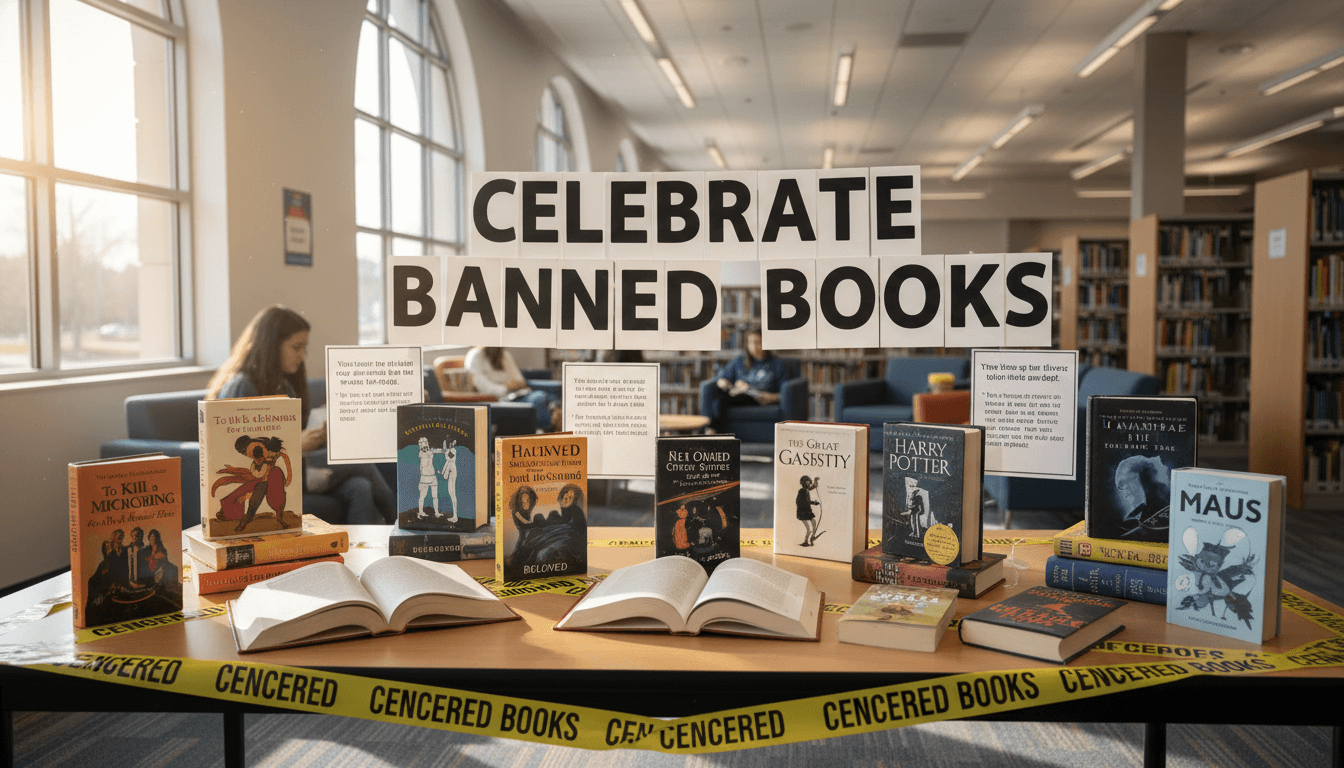
Library Newsletter for Banned Books Week: A Careful Template
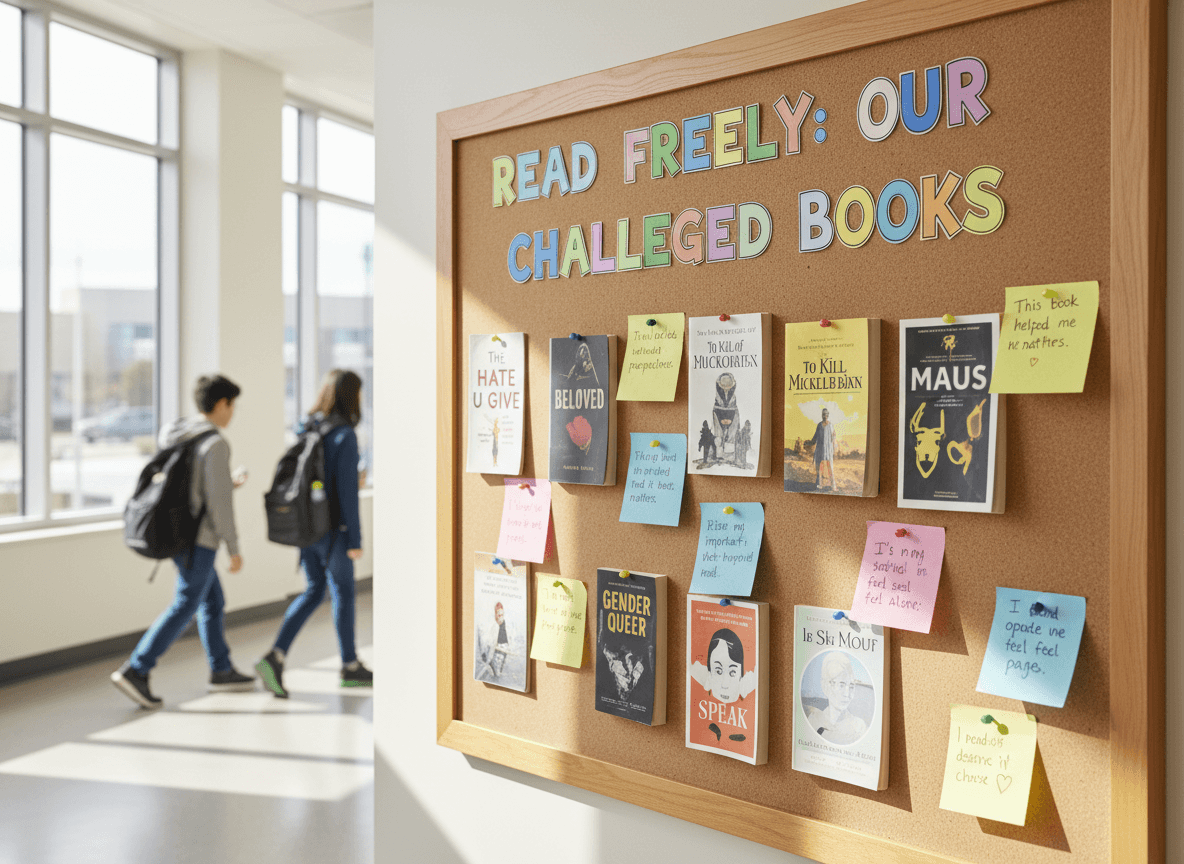
Banned Books Week is the most carefully written newsletter a school librarian sends all year. The wrong tone gets you a meeting with the principal. The right tone gets you parents who trust the library more than they did the week before. Here is the template that holds up.
Lead with the principle, not the list
Open the issue with the idea, not with the titles. "Banned Books Week is the American Library Association's annual reminder that the freedom to read is part of how a school library serves every kid. This week we celebrate the books that have been challenged across the country, and the families who have stood up for the right to read them." That paragraph sets the frame before any title appears.
Reference the ALA, briefly
One sentence linking to the ALA's most-challenged-books list of the previous year gives the newsletter outside backing. Parents who want the source get it. Parents who do not, skim past. The link does the work without you having to defend the list yourself.
Pick age-appropriate titles for the school you serve
An elementary newsletter should not feature The Hate U Give. A middle school newsletter probably should. High school can cover the full range. Match the titles to the readers in your building, not to the most controversial books on the ALA list. Age-appropriate is not a compromise, it is the work.
The three-titles structure
Pick three books for the issue. For each one: cover image, title and author, grade range, one sentence about the story, and one sentence explaining why it has been challenged. Five would be too many for the careful tone this issue needs. Three lets each book breathe.
Example for an elementary library: "And Tango Makes Three by Justin Richardson and Peter Parnell. Two male penguins in Central Park Zoo adopt an egg and raise a chick together. Frequently challenged for: depicting a same-sex family. Grades K-3."
Add a student-voice quote if you can get one
One student quote about why they read a frequently challenged book is worth more than three paragraphs of librarian framing. Ask a fourth grader: "What did you think of And Tango Makes Three?" and use the answer verbatim with first name and grade. Parents read student voices more carefully than they read adult voices.
The opt-out line
Near the bottom, one sentence: "If you would prefer your child not check out a specific title, email me and I will note it on their account." This single line resolves most parent concerns before they escalate. Families who feel heard almost never push to ban a book for everyone else.
Real example: Riverside Elementary, 380 students. Last October the librarian sent the Banned Books Week newsletter with three picture books, an ALA link, and the opt-out sentence. She got two parent replies. One was a thank-you. The other was a request to opt out of one title, which took her 30 seconds to handle. Zero complaints went to the principal.
Close with the freedom-to-read idea
End the issue the way you opened it. One short paragraph about why access to a wide range of books matters for kids who are figuring out who they are. No lecture. No defensive tone. Just the idea, stated cleanly, and signed by the librarian.
How Daystage helps with Banned Books Week newsletters
Daystage lets you save the Banned Books Week template year over year. The framing stays consistent, the opt-out line stays in place, and you refine the title list each fall instead of rebuilding the whole issue from scratch. The careful work compounds, and the send goes out looking like the school sent it on purpose.
Get one newsletter idea every week.
Free. For teachers. No spam.
Frequently asked questions
Is Banned Books Week appropriate to cover in an elementary library newsletter?
Yes, but the framing matters. At the elementary level, focus on the freedom-to-read idea using picture books that have been challenged (And Tango Makes Three, The Story of Ferdinand). Skip the more contested young-adult titles entirely. The point is age-appropriate, not edgy. Parents respond to thoughtful framing far better than to a defiant list.
Should the newsletter recommend specific banned books for kids to read?
Recommend, but with grade ranges clearly marked and a brief note on why each book was challenged. Parents want context, not just titles. 'Frequently challenged for: depictions of grief' or 'Frequently challenged for: a same-sex couple' lets families decide for their own kids without the librarian making the call for them.
How do you handle a parent who objects after the newsletter goes out?
Reply privately, same day. Acknowledge the concern, explain the school's collection development policy, and offer to schedule a 15-minute conversation. Most parents who write are not asking for a book to be removed, they are asking to be heard. The conversation usually ends with them grateful you replied.
Should the newsletter mention the parent opt-out option for individual books?
Yes, briefly, near the bottom. One line: 'If you would prefer your child not check out a specific title, email me at the library and I will note it on their account.' This single sentence prevents 90 percent of escalations. Families who feel they have a way out almost never ask to ban a book for everyone.
Is there a tool that makes a sensitive newsletter like this easier to send?
Daystage helps you craft careful templates and reuse them year after year. The Banned Books Week template lives alongside your other monthly templates, you refine the language each year based on what worked, and the send goes to your family list cleanly without you having to rebuild the layout under deadline pressure.

Adi Ackerman
Author
Adi Ackerman is a former classroom teacher and curriculum writer with 8 years in K-8 schools. She writes about school communication, parent engagement, and what actually works in real classrooms.
More for School Librarian
Ready to send your first newsletter?
3 newsletters free. No credit card. First one ready in under 5 minutes.
Get started free