

Wisconsin School Counselor Newsletter Guide for K-12
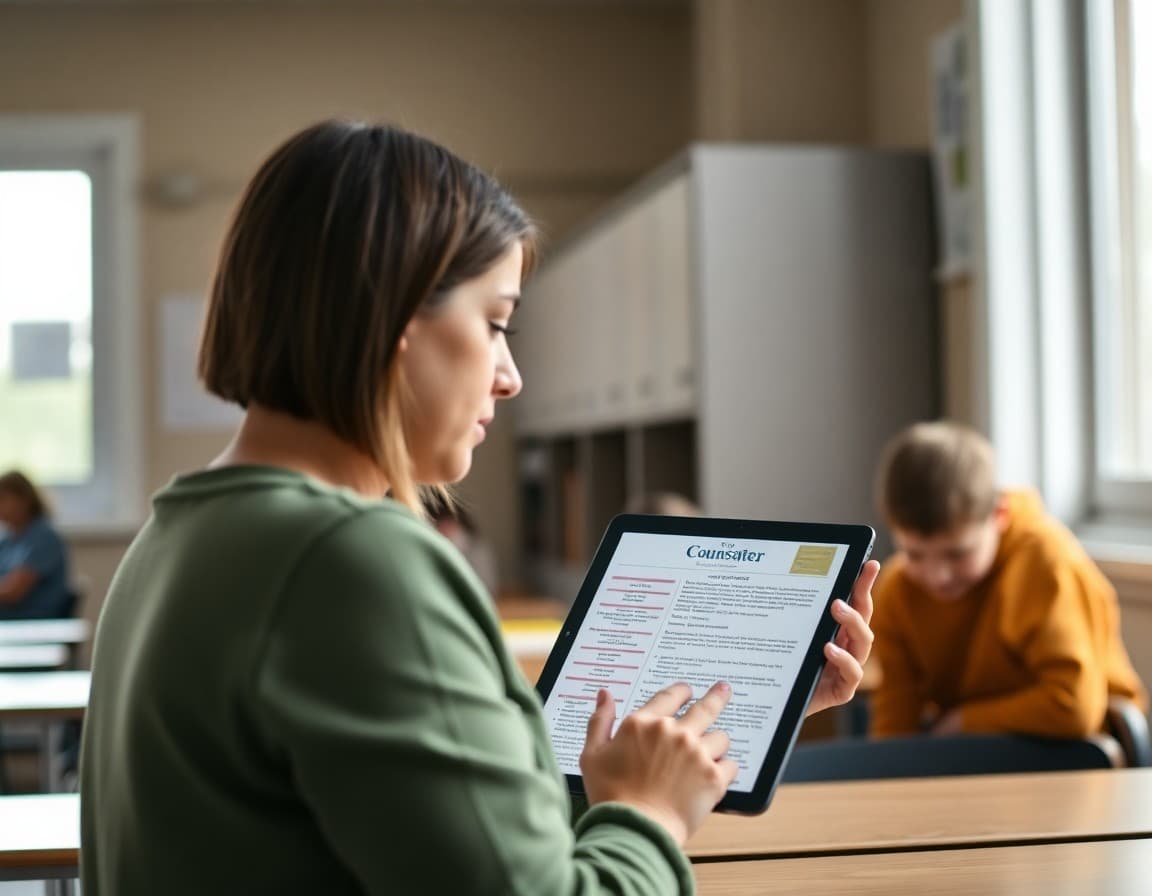
Wisconsin school counselors carry a wide scope of work, from K-12 academic planning to mental health support to college and career counseling. A regular newsletter keeps families connected to that work without requiring a phone call or conference for every update.
Know Your Audience Before You Write
Wisconsin schools range from rural districts in the Northwoods to urban schools in Milwaukee and Madison. The families you serve may have very different comfort levels with school communication. Some prefer a brief bulleted update; others want context and explanation. Start each school year with a short survey asking families how they prefer to receive information and what topics they want covered. That data shapes every newsletter you send.
Structure Every Issue the Same Way
Consistency builds readership. Families learn where to look for the information they care about when your format is predictable. A simple structure that works: a brief counselor note at the top, one featured topic with practical tips, an events and dates section, and a community resources block. Four sections, done. Resist the urge to add more just because you have more to say.
Mental Health Topics Wisconsin Families Need
Wisconsin has faced significant youth mental health challenges in recent years. Your newsletter is one of the best places to normalize conversations about anxiety, depression, and grief before a crisis happens. Share local resources like the Wisconsin Crisis Line (1-800-552-6642) and school-based support options in each issue. When families already know what you offer, they reach out faster.
College and Career Readiness Timelines
High school counselors in Wisconsin deal with FAFSA deadlines, WSGC scholarship programs, and the University of Wisconsin system application windows all at once. A fall newsletter that maps out the entire college application calendar in one view saves families from missing critical dates. Cover the Wisconsin Higher Education Grant, FastWeb resources, and local scholarship opportunities that students often overlook.
Supporting Elementary Students Through the Year
Elementary counselor newsletters look different from high school ones. Families of younger students want to know what social-emotional learning topics are coming up in classroom guidance, how to reinforce friendship skills at home, and when small groups are starting. Tie each newsletter section to something a parent can do that evening with their child.
Handling Sensitive Announcements
Not every counselor newsletter is a routine update. Sometimes you need to communicate about a student death, a community crisis, or a significant policy change. For those situations, keep the tone calm and factual, lead with what support is available, and avoid language that could cause panic. Review sensitive content with your principal before it goes out and be ready to answer follow-up calls the same day.
Using Daystage to Simplify Your Workflow
Daystage gives school counselors a straightforward way to build, send, and track newsletters without relying on IT or spending hours in design tools. You can start from a template, add your school branding, and schedule sends ahead of time so newsletters go out even during busy weeks. Many Wisconsin counselors use it to keep their communication consistent without adding to an already full caseload.
Tracking What Works
Open rates and click-throughs tell you whether families are reading. If an issue gets low engagement, look at the subject line and send time first, then the content. Issues sent Tuesday through Thursday mornings typically see higher open rates than Monday sends. Testing different formats over a semester gives you real data to improve your next school year's communication plan.
Get one newsletter idea every week.
Free. For teachers. No spam.
Frequently asked questions
How often should a Wisconsin school counselor send a newsletter?
Monthly is a good baseline for most K-12 schools. If you run active SEL programs or college prep events, consider bi-monthly sends in fall and spring when families need timely information most.
What topics should a WI counselor newsletter cover?
Focus on what families act on: mental health resources, upcoming small-group schedules, career exploration events, and community support programs. Keep each issue to three or four focused topics.
Do I need approval before sending a counselor newsletter?
Most Wisconsin districts require principal sign-off before any mass communication goes home. Check your district communication policy and build that review step into your timeline, especially for sensitive mental health content.
How can I increase parent open rates for my newsletter?
Subject lines that name the month and a specific benefit outperform generic titles. Short paragraphs, bullet points, and a single clear call to action also help families engage rather than skim and close.
What tool do Wisconsin counselors use to send polished newsletters?
Daystage lets school counselors design branded newsletters, schedule sends, and track open rates without needing a tech team. Many Wisconsin counselors use it to manage monthly communications alongside classroom guidance announcements.

Adi Ackerman
Author
Adi Ackerman is a former classroom teacher and curriculum writer with 8 years in K-8 schools. She writes about school communication, parent engagement, and what actually works in real classrooms.
More for School Counselors
Ready to send your first newsletter?
3 newsletters free. No credit card. First one ready in under 5 minutes.
Get started free