

School Social Worker Newsletter Guide: K-12 Communication
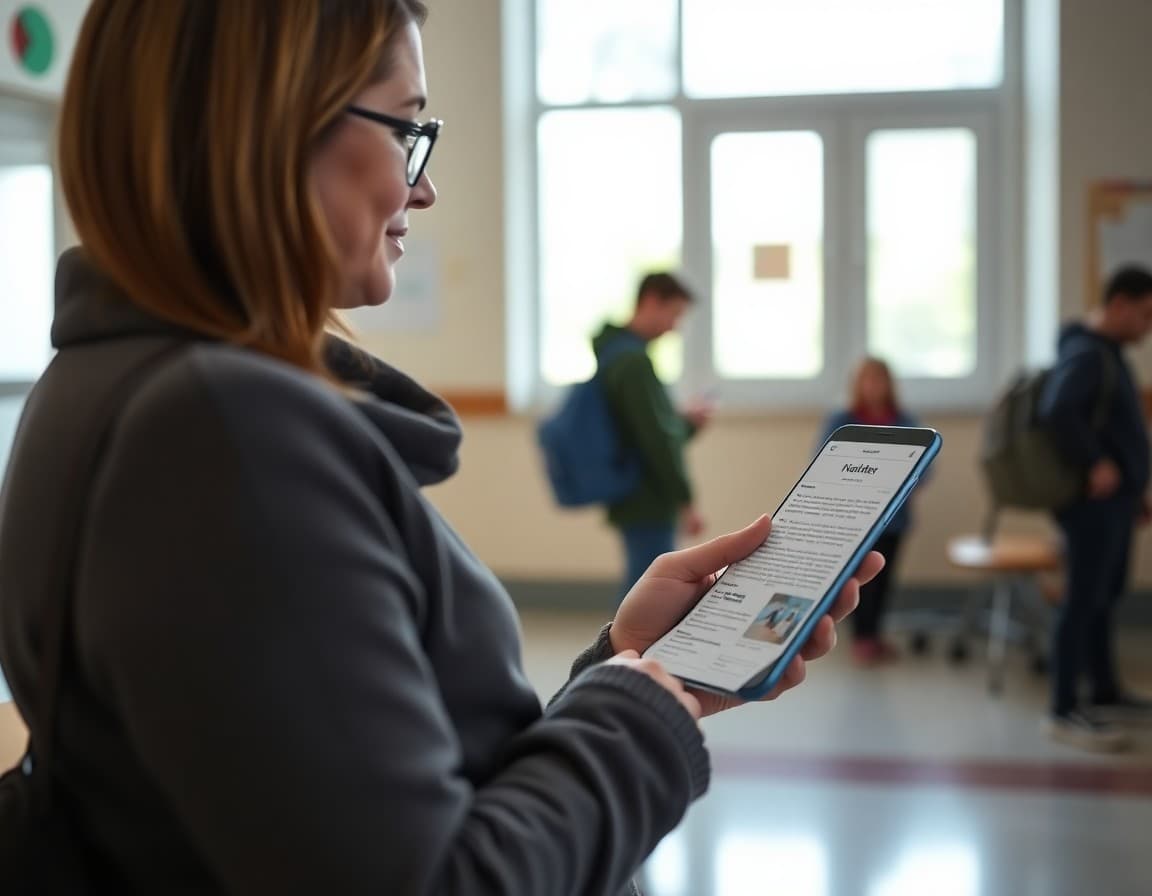
School social workers carry one of the most complex and underrecognized communication responsibilities in K-12 education. A monthly newsletter is one of the most efficient ways to stay connected with families who may not come to you until a crisis, to normalize the services you provide, and to ensure every family knows where to turn before things reach a breaking point.
Why School Social Workers Need Their Own Newsletter
The scope of social work in schools is wide: mental health support, family engagement, crisis intervention, resource navigation, attendance concerns, and community coordination. A newsletter specific to your role, rather than a general school communication, allows you to speak directly to families about the services and resources most relevant to what you actually do. It also builds name recognition that matters when a family is in crisis at 7am and needs to know who to call.
Structure That Works for Social Work Content
A school social worker newsletter does not need to be elaborate. A four-section format covers almost everything: a brief intro from you, one featured topic with practical guidance, a community resources block, and a contact and referral section. This structure can be adapted to any month and any theme without requiring a different template every time. Consistency in format builds reading habits that improve your open rates across the year.
Mental Health Resources That Families Can Actually Use
The most valuable section of a social worker newsletter is not a description of services but a list of actionable resources: specific phone numbers, specific program names, and specific eligibility criteria. "Contact your local mental health center" is not useful. "Youth mental health services at [County Center]: 555-0100, free for families earning under $50K, no referral needed" is useful. The difference between a newsletter families save and one they delete is specificity.
Normalizing Help-Seeking in Your Community
Many families who need social work services most are also the most reluctant to ask for them. Shame, fear of judgment, and concern about school system involvement keep families from reaching out until problems have escalated beyond what early intervention could have prevented. Your newsletter can directly counter this by using inclusive, non-stigmatizing language in every issue: "Many families navigate financial stress at some point in the school year. Here is what is available in our community." This language tells families they are not alone and that help is available before they have to admit they need it.
Community Partnerships Worth Highlighting
School social workers typically have relationships with community organizations that most families do not know about: food pantries, utility assistance programs, mental health nonprofits, housing resources, and family advocacy organizations. Your newsletter is the right place to highlight one partner per month. Over the course of a year, families build a mental map of community resources they would never have found on their own, and they remember who gave them that map.
Crisis Resources in Every Issue
Every newsletter you send should include at minimum two phone numbers: the 988 Suicide and Crisis Lifeline and a local crisis support line. Families do not call these numbers because they saw them once in an October newsletter. They call them because they have seen them eleven times and in a moment of desperation they remembered where to look. Repetition of crisis resources is not redundant. It is potentially lifesaving.
How Daystage Supports Social Worker Communication
Daystage gives school social workers a platform to build professional newsletters without needing graphic design training, IT support, or a communications budget. You can create your template once, update the content each month, and schedule sends in advance so your newsletter goes out consistently even during the weeks when your caseload is most demanding. Many school social workers use Daystage specifically because it reduces the administrative burden of communication without reducing the quality of what families receive.
Measuring What Works
Open rates and click-throughs tell you whether families are engaging. If your open rates are below 20 percent, focus first on your subject lines and send times before changing your content. If specific resource sections get significantly more clicks than others, that tells you what families need most right now and should guide your content planning for the next quarter. Data-informed communication is one of the most underused tools in school-based social work, and it costs nothing beyond a few minutes of review each month.
Get one newsletter idea every week.
Free. For teachers. No spam.
Frequently asked questions
How is a school social worker newsletter different from a counselor newsletter?
School social workers typically focus more heavily on community resources, family support services, and crisis intervention than school counselors do. A social worker newsletter is more likely to include information on housing resources, food assistance, mental health referrals, and trauma-informed community programs alongside school-based support.
How often should a school social worker send a newsletter?
Monthly is a strong baseline. Social workers who serve high-need populations may benefit from bi-monthly sends during fall and spring when family stress tends to peak around academic reporting periods and holiday seasons.
What topics generate the highest family engagement for school social workers?
Community resources with direct action steps, mental health information that normalizes help-seeking, and practical family support content tend to outperform general awareness content. Families engage most with newsletters that give them something they can do or a phone number they can call.
How should school social workers handle sensitive topics in newsletters?
Lead with resources and support rather than problem descriptions. Avoid stigmatizing language. Use first-person framing: 'If your family is navigating housing instability...' rather than 'Homeless families need to know...' Sensitive topics handled with dignity build trust. Handled poorly, they create shame that drives families away.
What tool do school social workers use to send professional newsletters?
Daystage is used by school-based support staff including social workers to build branded newsletters, schedule sends, and track family engagement without needing IT support or design skills. Its simplicity is specifically suited to staff who are running full caseloads without communications support.

Adi Ackerman
Author
Adi Ackerman is a former classroom teacher and curriculum writer with 8 years in K-8 schools. She writes about school communication, parent engagement, and what actually works in real classrooms.
More for School Counselors
Ready to send your first newsletter?
3 newsletters free. No credit card. First one ready in under 5 minutes.
Get started free