

September Bullying Prevention Newsletter for School Families
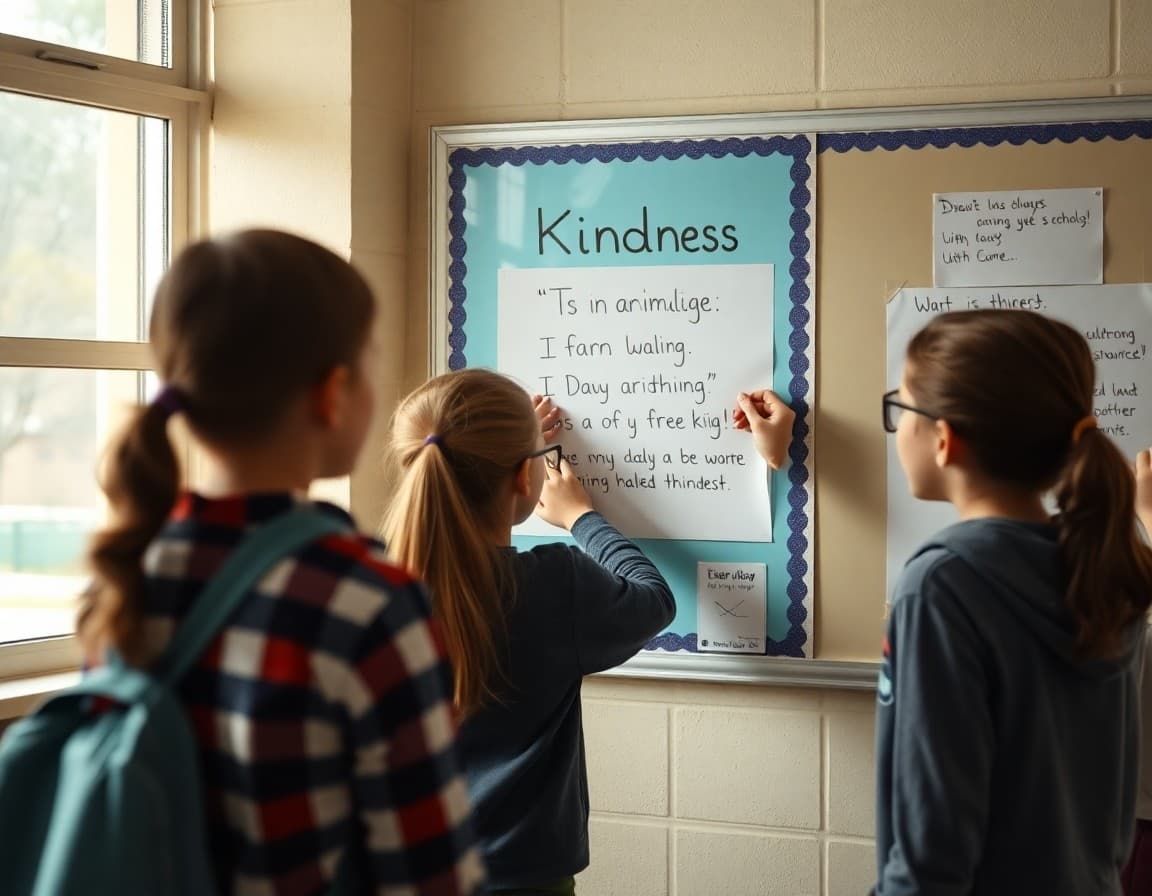
September is the month when you can still prevent bullying patterns from forming. By October, some of those patterns are already established. Your September newsletter lets families know that your school is watching, responding, and expecting their help, all before the problem has a chance to take root.
Prepare for October Before It Arrives
October is National Bullying Prevention Month, and many schools run awareness campaigns with blue and orange spirit days, classroom lessons, and schoolwide pledge activities. Your September newsletter is the setup. Let families know what is coming, what they can do to participate at home, and how the counseling program supports students who have been targeted. Families who are informed in September are more engaged partners in October.
The Social Dynamics of September
In September, students are actively testing the social waters. Friend groups are forming, some students are jockeying for status, and the unstructured time of recess, lunch, and hallways is when most bullying begins. These first weeks are when targeted students are most vulnerable and most likely to suffer in silence because they do not yet feel settled enough in the school community to ask for help. Your newsletter can change that by naming the dynamic directly.
How to Talk With Your Child About Peer Treatment
Most children, when asked directly if they are being bullied, say no, even when they are. They fear retaliation, feel ashamed, or worry that telling will make things worse. Help families create a low-pressure opening for honest conversation. Specific questions work better than general ones. "Was there anything uncomfortable today at lunch or recess?" is more productive than "Is anyone being mean to you?" Regularity matters more than any single conversation.
What Students Can Do in the Moment
Walk away confidently without showing distress, if possible. Find an adult or a trusted peer. Do not retaliate, because it rarely improves the situation and often results in the targeted student being blamed. Report to a counselor or teacher as soon as possible, even if the incident seems small. These are skills you can teach in classroom guidance and that families can reinforce at home when their child describes a peer interaction that did not feel right.
Bystander Behavior in September
Studies show that most students who witness bullying feel uncomfortable but do not know what to do. They disengage out of uncertainty, not indifference. Your newsletter can give families concrete language to teach their children: "You can walk over and sit with someone who is being excluded. You don't have to confront anyone. Just refuse to leave them alone." Students who know what bystander action looks like are more likely to use it.
Your School's Reporting Options
Tell families where and how to report bullying. Your school's front office number, your direct email, and any anonymous reporting system your school uses should appear in every September newsletter. Make it concrete and frictionless. The harder it is to report, the less often it happens, and the longer targeted students suffer without help.
Supporting the Student Who Was Targeted
When a family reports bullying, they often want to know how their child will be supported, not just whether the other student will be punished. Let families know that your role includes regular check-ins with targeted students, coping support, and follow-up to make sure the behavior has stopped. That follow-through matters as much as the initial response.
Reaching Every Family With Daystage
Daystage gives you delivery tracking so you can see which families opened your September bullying prevention newsletter. If you notice entire classes or grade levels with low open rates, you can follow up with a targeted re-send or a paper copy home. Knowing who you reached is as important as what you sent.
Get one newsletter idea every week.
Free. For teachers. No spam.
Frequently asked questions
Why send a bullying prevention newsletter in September?
September is when social hierarchies are actively forming. Sharing your school's expectations and reporting process before October's National Bullying Prevention Month means families are already informed and ready to participate when the larger awareness campaign begins.
What should families do if their child is the one doing the bullying?
Take it seriously without shaming. Start with curiosity: what happened, what were they feeling, what were they trying to accomplish? Then work with the school counselor on addressing root causes, which often include unmet social needs, stress at home, or a desire for status and belonging.
How do schools handle bullying investigations?
Most schools follow a formal process: the report is taken, both involved students are interviewed separately, witnesses may be spoken to, and parents on both sides are notified. The outcome depends on what the investigation finds. Families should expect communication, not just action without explanation.
What is the counselor's role when bullying is reported?
The counselor often serves as a support figure for the targeted student, providing check-ins, coping strategies, and referrals if needed. Discipline decisions typically rest with administration. Counselors bridge the gap between the student's emotional needs and the school's response process.
How can Daystage help counselors send bullying prevention content?
Counselors using Daystage can schedule the September and October issues at the same time, ensure consistent branding, and include direct links to school policy documents or national resources like StopBullying.gov in a single click.

Adi Ackerman
Author
Adi Ackerman is a former classroom teacher and curriculum writer with 8 years in K-8 schools. She writes about school communication, parent engagement, and what actually works in real classrooms.
More for School Counselors
Ready to send your first newsletter?
3 newsletters free. No credit card. First one ready in under 5 minutes.
Get started free