
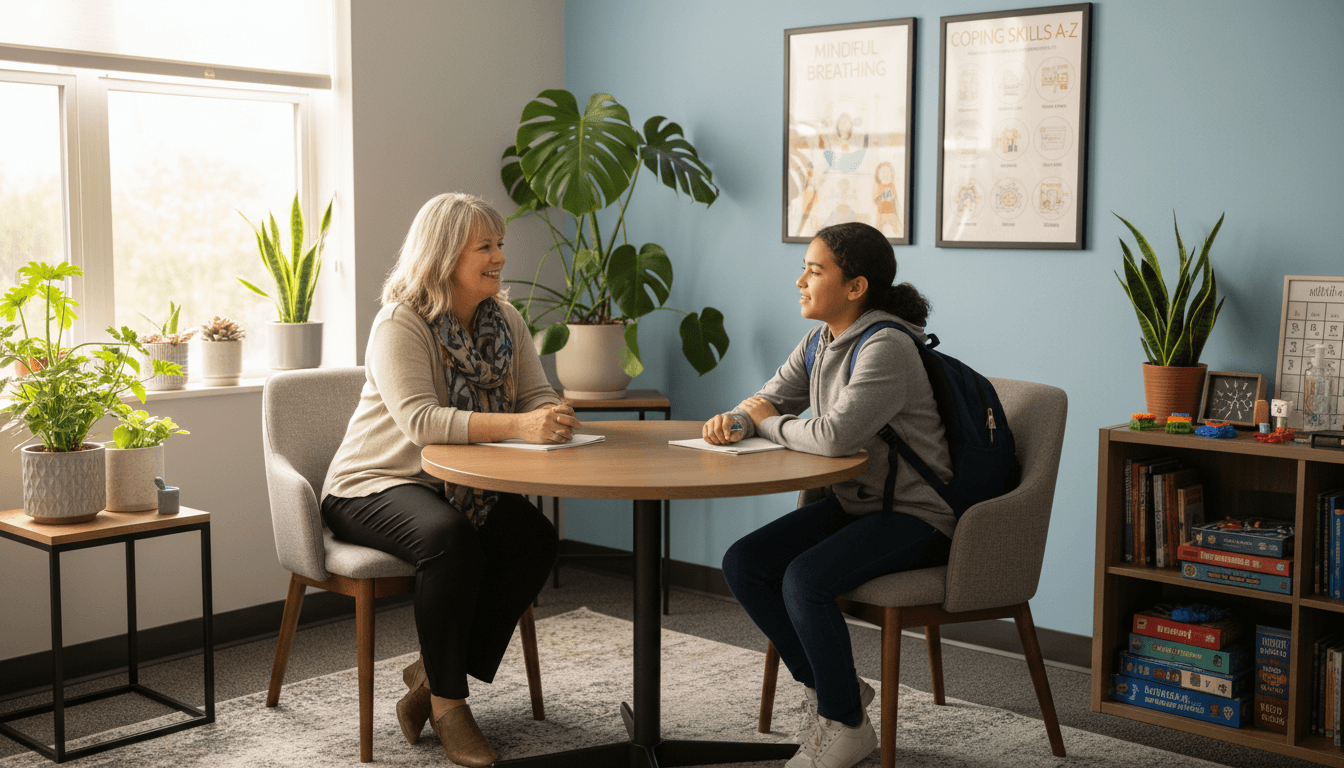
Peer Mediation Program Newsletter from School Counselor
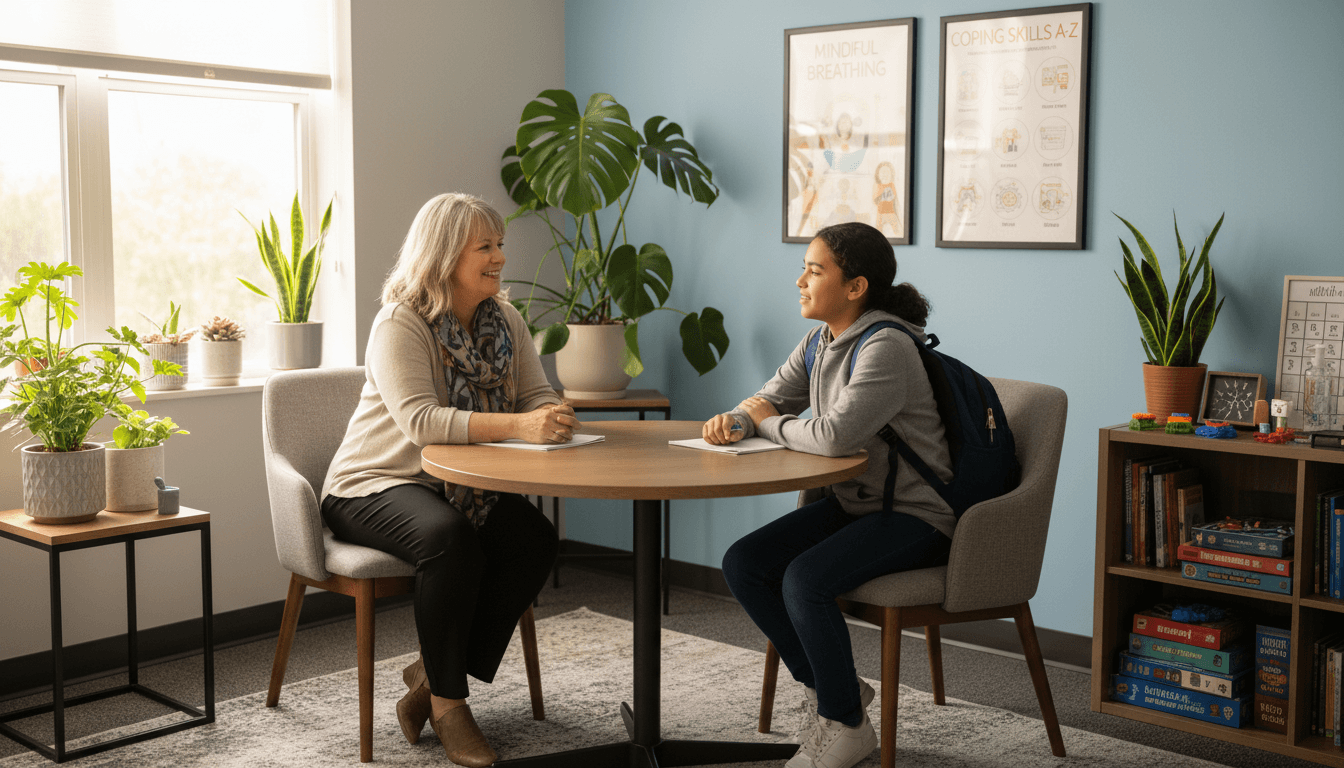
Peer mediation programs give students a structured way to resolve conflicts with each other rather than waiting for adult intervention. When families understand how the program works, they are more likely to encourage their child to participate when a conflict arises, and less likely to escalate a situation that could have been resolved through the program. A counselor newsletter explaining peer mediation does both.
Here is what to cover and how to explain it clearly.
Start with what peer mediation is and is not
Peer mediation is a voluntary, confidential process where two students in conflict meet with trained student mediators to work toward a resolution they both agree to. It is facilitated, not decided by the mediators. The students in conflict come to their own agreement.
It is not discipline. It is not punishment. It is not used for bullying situations or physical altercations. It is most effective for misunderstandings, hurt feelings, friendship tensions, and interpersonal conflicts that have not escalated to a safety concern.
How the process works
Either student in a conflict can request mediation, or a teacher, counselor, or administrator can suggest it. Both students must agree to participate. The session takes place in a private setting, usually the counselor's office or a designated room, with trained student mediators facilitating. The mediators guide the conversation using a structured format that gives each student time to speak and be heard. The session ends with a written agreement signed by both parties.
Typical sessions take 30 to 45 minutes. Most are resolved in one session.
Who the mediators are
Student mediators are typically selected through an application process and receive formal training in active listening, conflict de-escalation, and facilitating structured conversations. They are not chosen for being the most popular students. They are chosen for maturity, discretion, and the ability to stay neutral.
If you are using your newsletter to recruit new mediators, describe the training and the commitment clearly. The most effective mediators are students who understand what they are signing up for.
What families worry about
Confidentiality is the top concern. Tell families directly: mediation sessions are confidential. Mediators do not share what was said. Parents are not informed of the session's content unless a safety concern arises that requires adult involvement.
Some parents also worry that participation in mediation disadvantages their child. Explain that mediation is not an admission of wrongdoing and does not appear on any disciplinary record. It is a process for resolving conflict, not documenting it.
How to request mediation
Close with specific instructions. How does a student request mediation? How does a parent suggest it? Who receives the request? A clear process removes the friction that prevents families from using a program that exists to help them.
Get one newsletter idea every week.
Free. For teachers. No spam.
Frequently asked questions
What is peer mediation and how should a counselor explain it to families in a newsletter?
Peer mediation is a structured process where trained student mediators help two students in a conflict work toward a resolution together. Explain it as a tool for conflicts that are not discipline issues but that need support. A dispute over a misunderstanding or hurt feelings is a good fit. Physical altercations or bullying are not.
What should a peer mediation newsletter include?
What the program is and what kinds of conflicts it handles, how a student can request mediation or be referred, what happens during a mediation session, how mediators are trained and selected, and what families can expect if their child participates. This last point matters, because families often have questions about confidentiality.
How do you address confidentiality in a peer mediation newsletter?
Be direct. Mediation sessions are confidential unless a safety concern arises. Mediators do not share details outside the session. Parents are not typically informed of the content of the session unless the student chooses to share it. Being clear about this upfront removes a major source of parent hesitation.
How do you recruit student mediators through a newsletter?
Describe the role specifically. What training do mediators receive? How much time does it take? What skills does it build? Students who read a vague description will not sign up. Students who read that mediators receive twelve hours of communication training, lead real sessions, and build skills that colleges and employers recognize will be more interested.
Is Daystage useful for sending a peer mediation program newsletter to middle school families?
Daystage works well for this kind of targeted program newsletter. You write it once, send to your full caseload or a specific grade, and track who opened it. If you are recruiting student mediators, knowing which families engaged with the newsletter helps you follow up with interested students.

Adi Ackerman
Author
Adi Ackerman is a former classroom teacher and curriculum writer with 8 years in K-8 schools. She writes about school communication, parent engagement, and what actually works in real classrooms.
More for School Counselors
Ready to send your first newsletter?
3 newsletters free. No credit card. First one ready in under 5 minutes.
Get started free