
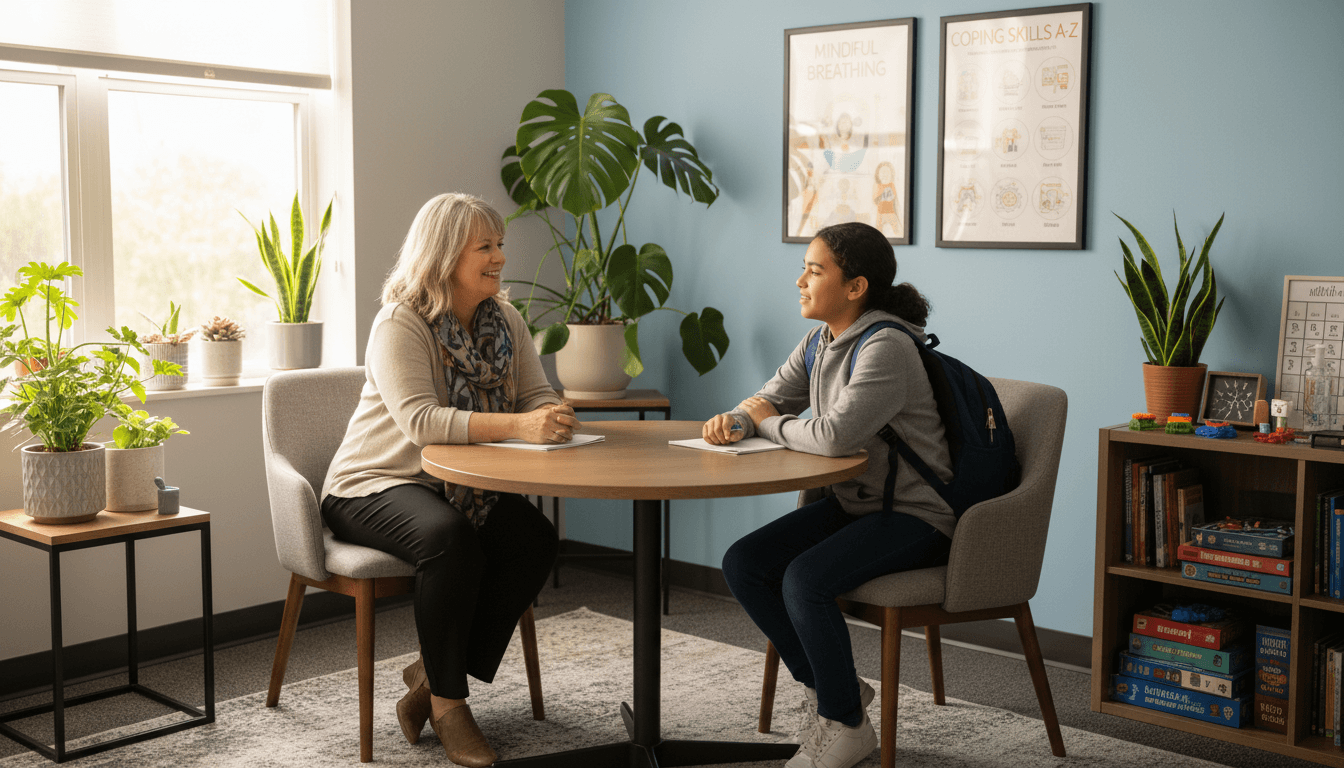
School Counselor Mindfulness Newsletter for Families
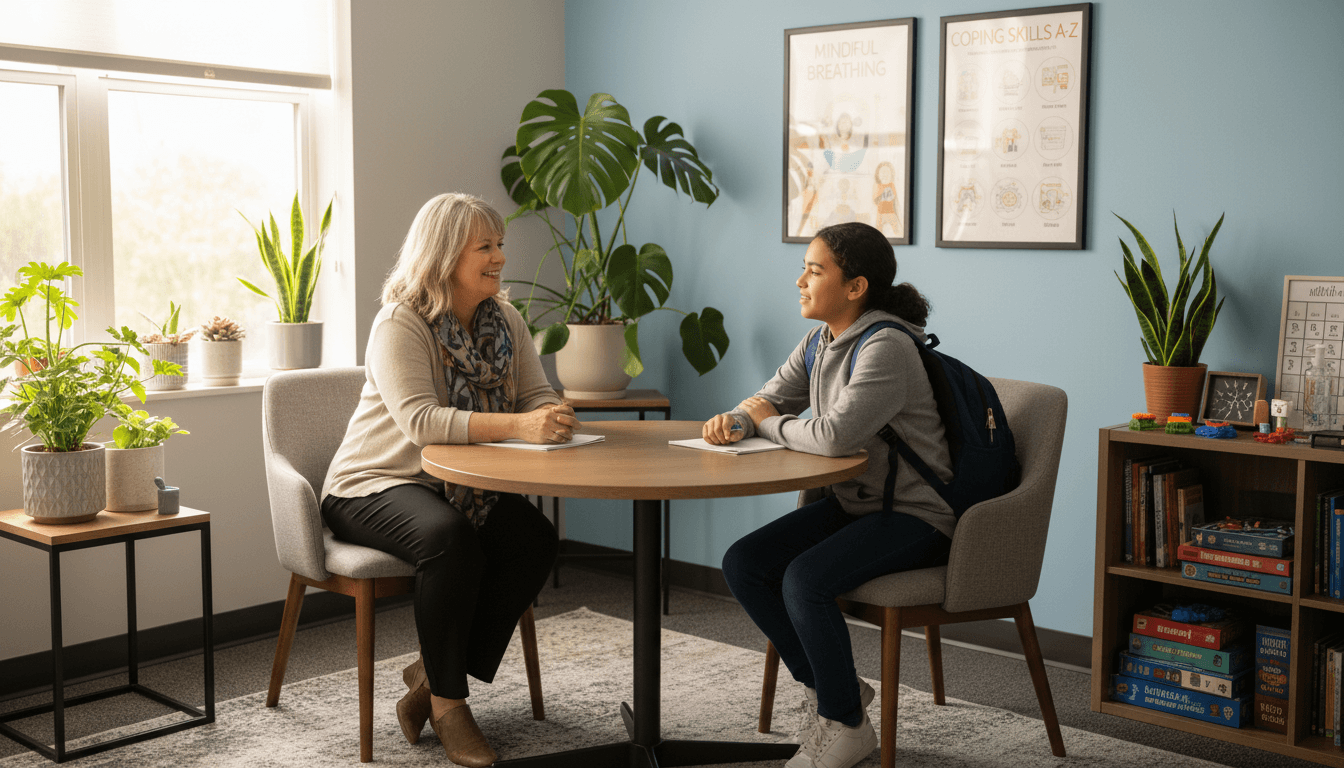
Mindfulness has become a word that carries a lot of associations, some of which create resistance before families even finish reading the first sentence. Your newsletter's job is to strip it back to the practical: what it is, what it does, and how students can use it. Skip the philosophy. Focus on the technique.
Define it without jargon
Mindfulness is paying deliberate attention to what is happening right now, without judging it. For a student about to take a test, it might mean noticing "I feel nervous, my stomach is tight, my thoughts are jumping around" and then deciding to take three slow breaths before reading the first question. That is it. No special training, no particular belief system, no extended meditation session required.
Give two or three specific techniques
Teach one technique by walking through it step by step. Box breathing: breathe in for four counts, hold for four, breathe out for four, hold for four. Five senses grounding: name five things you can see, four you can feel with your body, three you can hear, two you can smell, one you can taste. Body scan: start at your feet and notice each part of your body moving upward, spending three seconds on each area. Families who have the steps can actually try them.
Connect to academic and emotional outcomes
Students who practice brief mindfulness exercises before transitioning to focused work show measurable improvements in attention. Students who use breathing techniques when they feel anxious report that physical symptoms, racing heart, shallow breathing, tight stomach, decrease within two or three minutes. These are not large claims. They are the modest, consistent findings of a substantial research literature. Share one or two in the newsletter.
Suggest one way to practice at home
Give families one concrete opportunity to try this with their child. A two-minute breathing exercise before homework begins. A body scan together before bed. A five-senses check at the dinner table. Not a daily commitment to a new wellness practice, just one easy entry point. Families who try it once and notice any effect will try it again.
Describe what the school is already doing
If your school uses a mindfulness program in classrooms, advisory, or guidance lessons, tell families. Students who practice at school and then encounter the same techniques at home build the habit faster. Alignment between school and home practice is more powerful than either setting alone.
Get one newsletter idea every week.
Free. For teachers. No spam.
Frequently asked questions
What is mindfulness and how should a school counselor newsletter define it?
Mindfulness is paying attention to what is happening right now, in your body and your surroundings, without judging it. For students, it means noticing thoughts and feelings without being swept away by them. The newsletter should define it plainly without spiritual or religious framing, so it is accessible to families with diverse beliefs.
What mindfulness practices are appropriate for the newsletter to share?
Breathing exercises, body scans, five-senses grounding, and brief moments of intentional attention before transitions. These are secular, evidence-based, and do not require any equipment or prior experience. Give the specific steps, not just the concept.
How does mindfulness help students academically?
Attention and focus are the foundations of learning. Students who can redirect their attention when it wanders, recognize when anxiety is affecting their thinking, and move from an activated emotional state back to a calm one perform better across all subjects. Mindfulness builds these capacities through practice.
Should the newsletter address families who are skeptical about mindfulness?
Yes, briefly. Name the research base: mindfulness practices have been shown to reduce anxiety, improve attention, and support emotional regulation in children and adolescents. You do not need to advocate heavily. One sentence and one citation is usually enough for skeptical readers.
How does Daystage help school counselors share mindfulness resources with families?
Daystage lets counselors include links to guided audio practices, printable breathing cards, and video demonstrations in newsletters, so families can try the techniques at home rather than just reading about them.

Adi Ackerman
Author
Adi Ackerman is a former classroom teacher and curriculum writer with 8 years in K-8 schools. She writes about school communication, parent engagement, and what actually works in real classrooms.
More for School Counselors
Elementary School Counselor Newsletter Ideas for Families
School Counselors · 6 min read
School Counselor College Visit Newsletter: How to Make Campus Visits Count
School Counselors · 6 min read
School Counselor Group Counseling Newsletter: What Families Should Know Before Their Child Participates
School Counselors · 6 min read
Ready to send your first newsletter?
3 newsletters free. No credit card. First one ready in under 5 minutes.
Get started free