
School Counselor Military Family Newsletter: Support for Mobile Families
Military-connected students are one of the most underserved populations in schools that do not have significant installation proximity. A counselor's newsletter that specifically addresses military family needs communicates that the school sees and understands the unique challenges these students face, which is often the most important first step in building the trust that allows families to access support.
Who Military-Connected Students Are
Military-connected students include children of active duty service members, National Guard and Reserve members, veterans, and retired military. The 1.2 million school-age children of active duty members attend schools across the country, not just near military installations. A school in any state may have military-connected students whose parents serve in branches from any base, who are National Guard members who deploy for disaster response, or whose parents have recently separated from service and are managing the significant stress of military-to-civilian transition.
Identifying military-connected students in your school requires asking directly at enrollment and building a data system that tracks this status, because these students are not identifiable from standard demographic data and their needs are invisible without that identification.
The Mobility Challenge: Supporting Students Who Transfer In
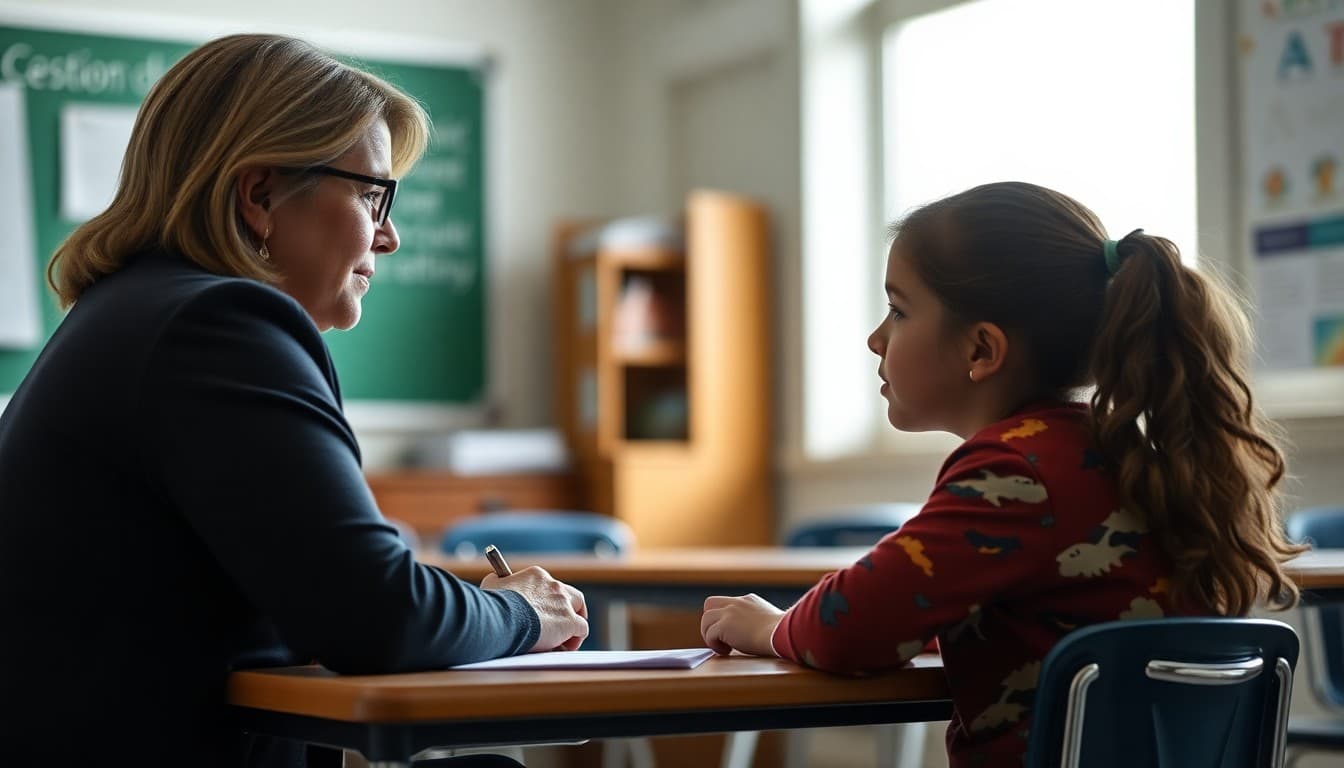
A military student who transfers mid-year faces a set of challenges that are distinct from other new students. They are often arriving at their third or fourth school in as many years. They have developed strategies for being new that sometimes look like indifference or detachment but are actually self-protection. They may have gaps in academic content because different states and districts sequence curriculum differently, and they may be placed in courses that do not match what they have already covered or that skip content they have not yet received.
Effective support for incoming military students includes: an immediate counselor welcome meeting, a peer buddy for the first two weeks, a review of academic records to identify any gaps or overlaps, and a check-in at 30 days to assess how the transition is going. The newsletter can invite military families who are new to the school to request this welcome process rather than navigating the standard enrollment procedures in isolation.
Deployment Support: What Children Experience and What Helps
The deployment cycle has three stages that each produce distinct challenges for children: pre-deployment (increased family stress, anticipatory grief, uncertainty), deployment (the absence itself, worry about the service member's safety, changes in the at-home parent's availability and emotional state), and reintegration (adjustment to the service member's return, which can be surprisingly difficult even when welcome). School counselors who understand this cycle can provide proactive support at each stage rather than reactive support only when a crisis appears.
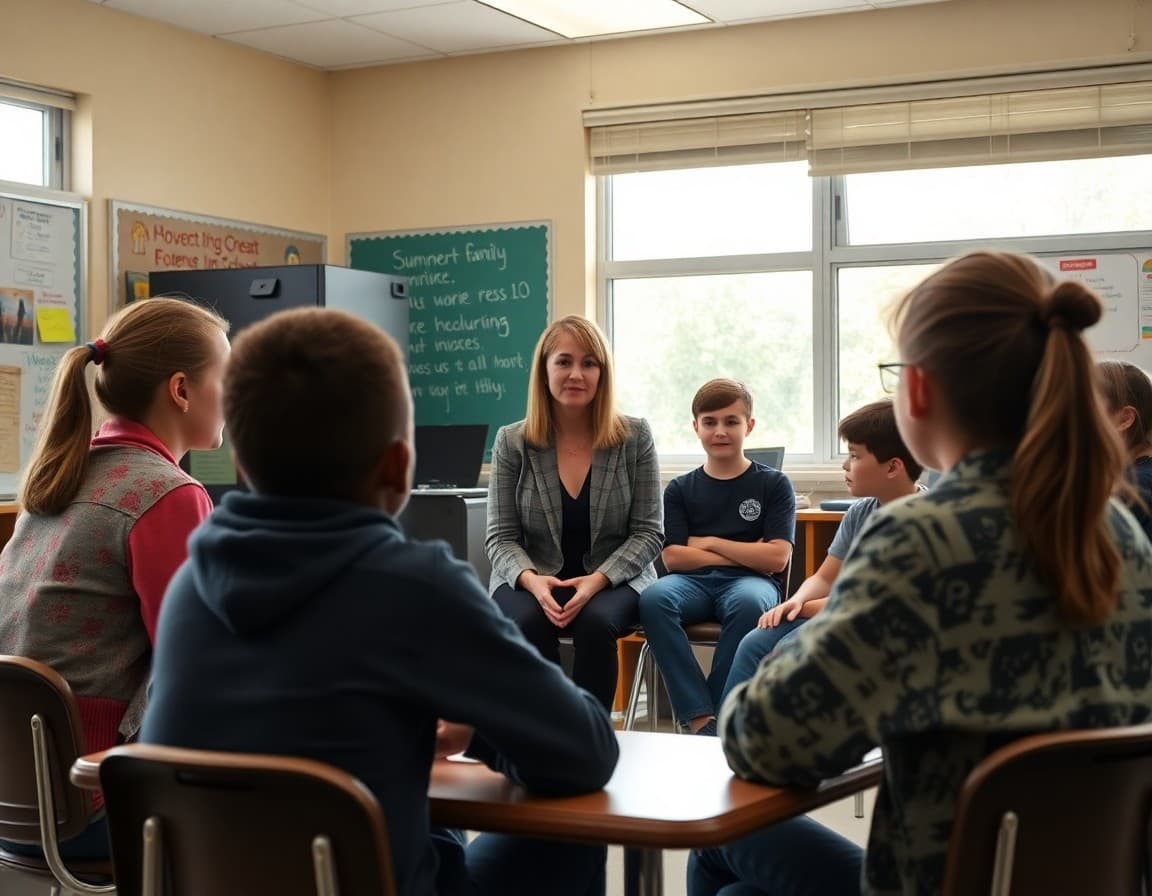
During deployment, a school-based deployment support group gives students a peer community with shared experience. Many military students have never met anyone else who understands what it is like to count the days on a calendar until a parent comes home. That community is deeply valuable and cannot be replaced by individual counseling alone.
A Template for the Military Family Support Newsletter Section
This section is appropriate for a back-to-school newsletter or an ongoing family resources section:
"We serve [number] military-connected students and families in our school. We know that military life brings challenges that civilian school systems do not always recognize: frequent moves, deployment cycles, and the unique stress of having a family member in service. Here is what we offer specifically for military-connected families: a counselor point of contact who is available for new student welcome meetings, a deployment support group meeting [day and time], flexible credit transfer review for students who have moved from another state's curriculum, and regular check-ins during deployment periods. If your family is military-connected and has not yet introduced yourselves to me, please reach out. I want to know your family."
Reintegration: The Often-Overlooked Transition
The return of a deployed service member is celebrated, and it should be. It is also a genuinely difficult transition for the whole family, including the student. Children who have adapted their roles and routines to a single-parent household (often taking on more responsibility than is developmentally appropriate) sometimes struggle when a parent returns and the established patterns change. Behaviors that look like acting out or regression during the homecoming period are often adjustments to a new family equilibrium, not signs that something is wrong.
The counselor's newsletter can acknowledge reintegration as a transition that deserves support: "If your service member has recently returned home, it is normal for the whole family, including your student, to be navigating an adjustment period. Our counselor is available to support students during reintegration, not just during deployment. Reach out if you are noticing changes in your child's behavior or mood during this adjustment period."
Community Resources for Military Families
Military families have access to a range of community resources that civilian families do not. The school counselor's newsletter is an effective vehicle for making families aware of resources they may not have accessed yet. Key resources include: Military OneSource (free counseling and support services available to active duty, Guard, and Reserve families), the School Liaison Officer on the nearest installation (available to assist with academic transitions even for families not living on the installation), Student Support Services through the Department of Defense Education Activity, and state-specific programs for National Guard and Reserve families. Many of these resources are free and accessible regardless of which branch of service the family member serves in.
Get one newsletter idea every week.
Free. For teachers. No spam.
Frequently asked questions
What unique challenges do military-connected students face in schools?
Military-connected students face two primary categories of challenge: mobility and deployment. High mobility means students change schools frequently, often mid-year, which disrupts peer relationships, exposes gaps in academic coverage between different states' curricula, and requires building trust with new adults repeatedly. Deployment means a parent is absent, often in a dangerous situation, for months at a time, which produces anxiety, behavioral changes, and family stress. Students dealing with both simultaneously face compound challenges that require specific, proactive support from school counselors.
How many times does the average military child change schools during their education?
Military children change schools an average of 6-9 times during their K-12 education, compared to 3 times for civilian families. This means military students are disproportionately represented in the 'new student' population at many schools and experience the stress and social disruption of being new far more frequently than their civilian peers. Each school transition requires rebuilding peer relationships, learning new school routines, adjusting to different academic expectations, and establishing trust with new adults, all while often managing the baseline stress of parental deployment or training.
What does research show about the impact of deployment on school-age children?
Research on the impact of military deployment on children shows significant increases in anxiety, behavioral problems, academic difficulties, and social withdrawal during deployment periods. The effects are most pronounced in children ages 3-8, who have the most difficulty understanding the abstract concept of deployment and the timeline of return. Adolescents often show deployment stress through increased responsibility-taking at home, risk-taking behavior, and withdrawal from peer activities. The return of a deployed parent is also a challenging transition period that can produce behavioral changes even when the child has been managing well during deployment.
What specific school supports help military-connected students?
The most effective school supports for military-connected students are: a designated point of contact (often the school counselor) who proactively reaches out to new military families and provides a school orientation, a peer buddy system that pairs new military students with established peers, flexibility with academic credit transfer policies that recognize that different states teach the same content in different grade levels, a deployment support group where students can share experiences with peers in similar situations, and regular check-ins during deployment periods rather than only when a crisis appears.
How can the school counselor newsletter reach and support military families?
Military families often feel that civilian schools do not understand their experience and may not seek support proactively. A newsletter section specifically addressing military family support communicates that the school sees and values military-connected students. Daystage lets counselors tag families by military-connected status and send targeted newsletters during deployment periods, transition windows, and homecoming periods when specific support is most relevant. A brief newsletter that says 'We know your family is navigating a deployment right now. Here is what we offer and here is how to access it' reaches families at the moment they need information most.

Adi Ackerman
Author
Adi Ackerman is a former classroom teacher and curriculum writer with 8 years in K-8 schools. She writes about school communication, parent engagement, and what actually works in real classrooms.
More for School Counselors
Ready to send your first newsletter?
3 newsletters free. No credit card. First one ready in under 5 minutes.
Get started free