

School Counselor Crisis Response Newsletter for Families
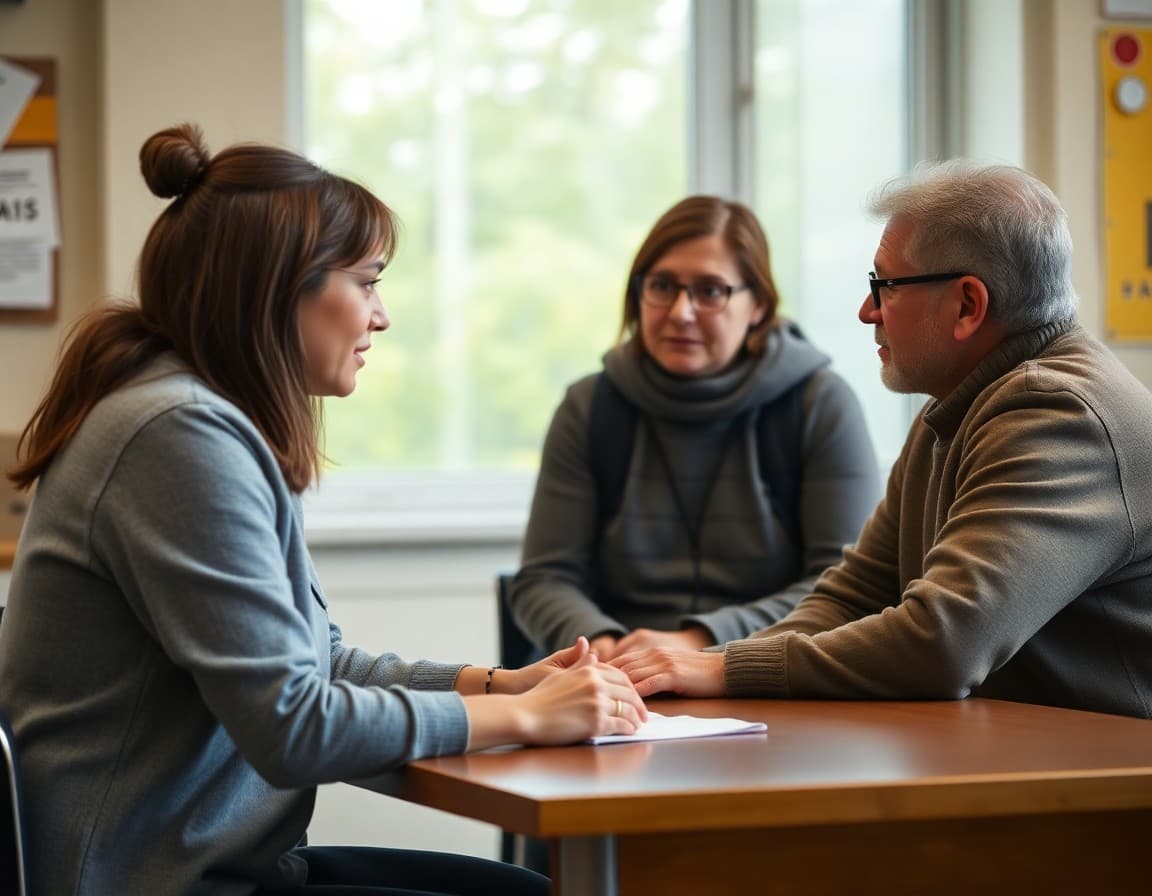
Crisis response newsletters are among the most high-stakes communications a school counselor ever sends. They reach families in moments of acute stress, when every word is read carefully and the school's competence and care are being evaluated in real time. Getting them right requires advance preparation, not improvisation during the crisis itself.
Before the Crisis: Preparing the Communication Framework
Schools that have prepared crisis communication templates before a crisis occurs respond faster and with greater accuracy than those that draft communications during the crisis itself. Every school counselor should have ready templates for: the death of a student, the death of a staff member, a student suicide, a school lockdown, and a community tragedy. These templates need only be filled in with specific details when the crisis occurs rather than being written from scratch during the worst possible moment.
The templates should be reviewed annually by the school crisis team, the school's communications office, and the district legal counsel. Safe messaging guidelines, confidentiality requirements, and accurate resource information all require periodic review to remain current.
What the Immediate Post-Crisis Newsletter Must Include
The communication sent within hours of a significant crisis must accomplish five things: acknowledge what happened at the appropriate level of detail given confidentiality requirements, express genuine empathy for the community's experience, describe what the school is doing to support students, provide specific warning signs families should watch for, and list crisis resources with phone numbers and availability. Every one of these elements has a reason. Acknowledging the event prevents the vacuum that social media fills with inaccurate versions. Empathy models the emotional response the school community needs to see from leadership. Describing school actions reduces helpless anxiety. Warning signs give families something productive to do. Resources give families a place to turn.
Safe Messaging in Crisis Communications
When a student death involves suicide, safe messaging guidelines become non-negotiable. The research on suicide contagion, the phenomenon in which exposure to a peer's suicide increases suicide risk in the immediate peer group, is robust and the guidelines derived from it are clear. Do not share the method of death in any community communication. Do not frame the suicide as a response to a solvable problem ("things were hard for him"). Do not include photographs of the deceased in association with suicide content. Do include crisis resources prominently. Do acknowledge the loss and the grief without glorifying the decision. Schools that follow safe messaging guidelines see lower rates of subsequent suicidal behavior in peer groups than those that do not.
A Template for an Immediate Post-Crisis Newsletter
This template requires adaptation for specific events but provides the structural framework:
"Dear [School Name] Families, We are writing to inform you of a tragic event that has affected our school community. [Acknowledging statement at appropriate detail level, e.g., 'We lost one of our students this week, and our community is grieving deeply.'] Our counseling team is available to all students [hours and location]. Over the coming days, watch for [3-4 specific behavioral warning signs] in your student. If you see these signs or if your student expresses any concerns about their own safety, please reach out immediately. Crisis resources: [988 Suicide and Crisis Lifeline: call or text 988. Crisis Text Line: text HOME to 741741. Local resource: name, number, hours]. We will send additional information as it becomes available. If you have questions, contact [name] at [contact information]."
Supporting the Community in the Weeks After a Crisis
The weeks immediately following a significant school crisis are when the risk of secondary traumatic responses, grief complications, and suicide contagion are highest. The counselor's newsletter during this period provides continuity of support communication. Weekly newsletters that acknowledge the ongoing grief, share normal versus concerning responses to trauma, and continue providing resources demonstrate that the school is not moving on before the community is ready to.
The timeline of decreasing communication frequency should be guided by community need, not by administrative convenience. A school that sends crisis support information for two weeks and then returns to regular programming without transition may be signaling to still-grieving students that the school is done acknowledging their loss, which can intensify rather than reduce feelings of isolation.
Long-Term Recovery and the School Counselor's Role
Crisis recovery for a school community typically takes three to six months. The counselor's role shifts over that period from acute crisis response to ongoing monitoring and support. This means: identifying students who are not recovering on a typical timeline, facilitating ongoing grief or processing groups for students who need them, monitoring academic performance and attendance for students who were most closely connected to the loss or trauma, and maintaining open communication with families about available support. The newsletter is the vehicle for maintaining that open communication at scale throughout the recovery period.
Get one newsletter idea every week.
Free. For teachers. No spam.
Frequently asked questions
What types of events require a school crisis response?
School crises requiring a coordinated counseling response include: the death of a student or staff member (particularly by suicide), a violent incident at school, a serious accident involving students, a natural disaster or community emergency, a school threat or lockdown, and other traumatic events that affect a significant portion of the student body. Minor individual crises (a student's personal mental health emergency, a family trauma not widely known) require individual counseling support but not a school-wide crisis response. The scale of the response should match the scale of the community impact.
What is safe messaging around suicide and why does it matter in a crisis newsletter?
Safe messaging guidelines around suicide are research-based recommendations for how media and institutions should communicate about suicide deaths to reduce the risk of contagion. Key guidelines include: do not describe the method of death in detail, do not romanticize or glorify the person's decision, do not present suicide as a solution to problems, do not include photographs of the deceased person associated with suicide content, and do provide crisis resources prominently alongside any discussion of the death. Schools that violate safe messaging guidelines in crisis communications have been associated with increased suicide rates in subsequent weeks among peer groups. AFSP and SAMHSA provide free safe messaging resources.
How should schools communicate with families immediately after a traumatic event?
After a traumatic school event, families should receive a communication within hours of the event that acknowledges what happened (with appropriate confidentiality), describes what the school is doing to support students, provides specific warning signs families should watch for at home, and lists both school-based and community mental health resources. The communication should be clear and factual rather than emotional or minimizing. Families who receive timely, accurate information trust the school more and are better equipped to support their students than those who hear about the event from social media first.
What behavioral warning signs should families watch for after a traumatic school event?
After a traumatic school event, families should monitor for: sleep disruption and nightmares, appetite changes, reluctance to return to school, social withdrawal, increased irritability or emotional reactivity, physical complaints without medical cause, intrusive thoughts or repetitive talk about the event, and any statements that suggest the child is thinking about harming themselves. Most of these responses are normal in the first two to four weeks after a significant trauma. Responses that persist beyond six weeks, intensify over time rather than improving, or include any statements about self-harm warrant professional evaluation.
How does the school counselor newsletter support crisis communication and recovery?
The newsletter has two crisis roles: immediate and ongoing. In the immediate aftermath of a crisis, a digital newsletter through Daystage can be sent within hours to reach all families with consistent, accurate information and safe messaging compliant content. In the weeks following a crisis, the newsletter provides ongoing updates on available support, community resources, and signs of healthy recovery that help families monitor their students. Daystage's delivery tracking lets counselors identify which families have not opened the crisis communication and follow up individually with those families who may be most in need.

Adi Ackerman
Author
Adi Ackerman is a former classroom teacher and curriculum writer with 8 years in K-8 schools. She writes about school communication, parent engagement, and what actually works in real classrooms.
More for School Counselors
Ready to send your first newsletter?
3 newsletters free. No credit card. First one ready in under 5 minutes.
Get started free