
North Dakota School Counselor Newsletter Guide for K-12
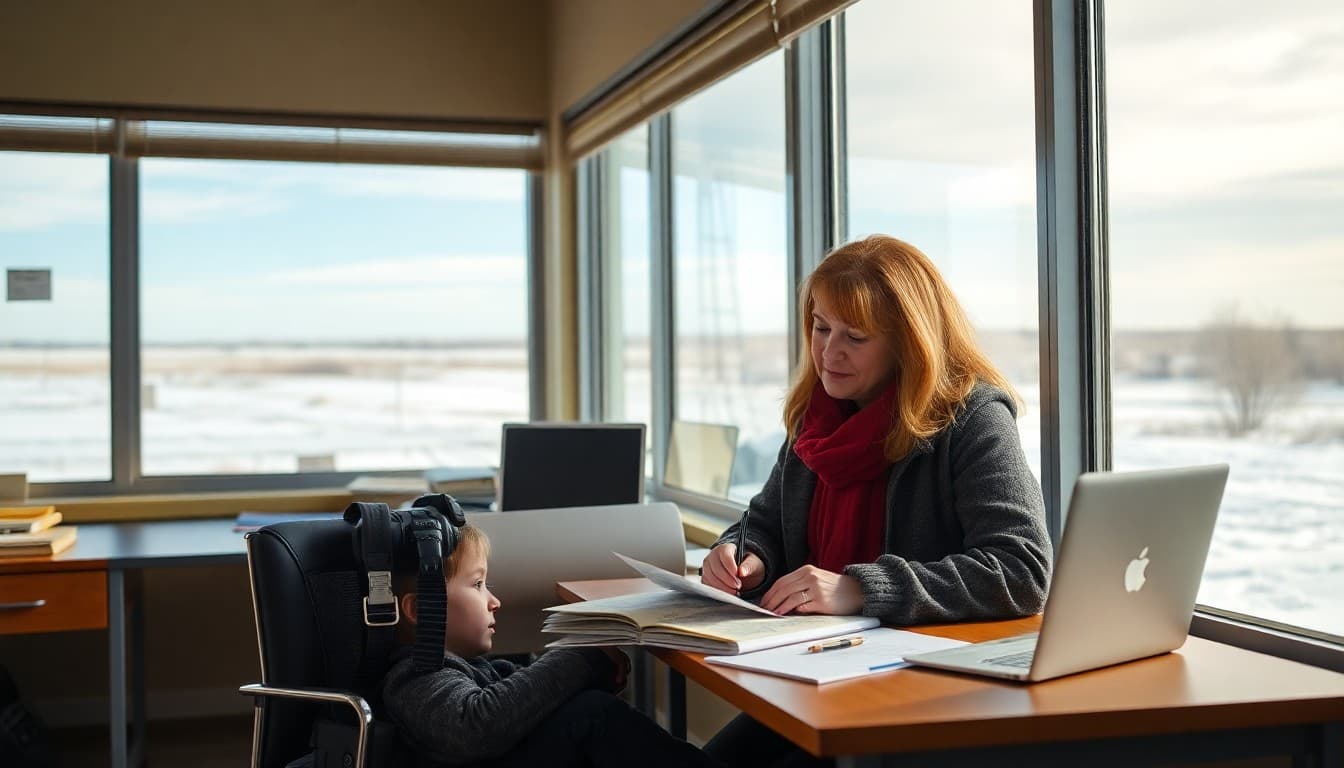
North Dakota school counselors work in the second-least-populated state in the country, with communities spread across vast distances and extremes of weather that shape daily life in ways most Americans do not experience. The oil boom in the Bakken region brought rapid change to western ND communities. Five tribal nations have schools and communities within the state. And the winters are genuinely brutal. A counselor newsletter for North Dakota families needs to acknowledge these realities.
North Dakota's Extreme Winter Is a Mental Health Issue
North Dakota experiences some of the most severe winters in the continental US. Temperatures in January average below zero in Bismarck and can reach -40F with wind chill in western communities. Limited outdoor activity, reduced daylight, and social isolation during long stretches of extreme cold create real mental health risk. A fall newsletter that addresses seasonal depression, practical winter strategies, and when to seek professional support prepares families before the hardest months arrive. Including information on light therapy, consistent sleep routines, and maintaining social connections even in winter is genuinely useful.
Bakken Oil Boom Community Challenges
Western ND communities like Williston and Watford City experienced rapid population growth during the Bakken oil development period. That growth brought economic benefits but also higher rates of substance use, transient populations, school mobility, and community stress. Counselors in these districts deal with families who may be new to the area, financially stressed by housing costs, or dealing with the mental health impacts of resource-extraction industry volatility. Acknowledging that context in a newsletter builds credibility with families who have often felt like outsiders.
Tribal Community Resources in North Dakota
Five tribal nations have significant communities in North Dakota: Standing Rock Sioux, Three Affiliated Tribes (Fort Berthold), Turtle Mountain Band of Chippewa, Spirit Lake Nation, and Sisseton-Wahpeton Oyate. Counselors serving schools near or on tribal lands should include Indian Health Service behavioral health contacts, acknowledge tribal sovereign health systems, and reference culturally grounded support programs where they exist. The same cultural awareness principles that apply in other tribal states apply in North Dakota.
North Dakota Mental Health Resources
The North Dakota Crisis Line at 1-800-472-2911 operates statewide. Sanford Behavioral Health covers Fargo and eastern North Dakota. CHI St. Alexius covers Bismarck and the south-central region. For western ND, Trinity Health's behavioral health services cover the Minot area. IHS behavioral health is available at tribal health centers. The 988 Lifeline is statewide. In rural areas far from any of these facilities, telehealth is the practical option.
North Dakota University System College Prep
University of North Dakota and North Dakota State University are the flagship institutions. Bismarck State College and North Dakota State College of Science are strong two-year options. The North Dakota University System has strong CTE and technical programs that match the state's energy, agriculture, and healthcare industries. Many ND families benefit from newsletters that present vocational and technical pathways alongside four-year college as equally legitimate career options.
Template Section: Winter Mental Health Preparation
Here is a section for North Dakota fall newsletters:
"North Dakota winters hit hard, and the mental health effects are real. Reduced daylight and weeks of extreme cold can affect mood, energy, and motivation in both children and adults. Before winter arrives, it helps to build some habits: establish consistent sleep and wake times, find an indoor activity that keeps your child socially connected, and get outside briefly during the warmest part of the day when possible. If your child becomes persistently withdrawn or hopeless as winter deepens, reach out to the counseling office. That is not something to wait out."
Mobile Format for North Dakota's Rural Families
Broadband access in rural North Dakota, particularly in western ND, is limited. Most families access the internet primarily through smartphones. A mobile-first newsletter that loads quickly on a cell connection serves every ND family. Daystage handles mobile formatting automatically.
Consistency in a Small-State Culture
North Dakota has a strong community culture where people know their neighbors and local institutions. A counselor who communicates consistently fits that culture and builds the kind of trust that makes harder conversations possible when they are needed.
Get one newsletter idea every week.
Free. For teachers. No spam.
Frequently asked questions
What should a North Dakota school counselor include in a newsletter?
North Dakota counselors should include mental health resources through ND Department of Health and Human Services, content relevant to oil boom community impacts in western ND, seasonal mental health for extreme winters, tribal community resources for Standing Rock and Fort Berthold areas, and North Dakota University System college prep information.
What North Dakota mental health resources should be in a counselor newsletter?
The North Dakota Crisis Line at 1-800-472-2911 operates statewide. Sanford Behavioral Health serves Fargo and eastern ND. CHI St. Alexius covers the Bismarck area. Youth Mental Health FIRST AID training is available statewide. For tribal communities, IHS behavioral health programs serve the Standing Rock, Spirit Lake, Turtle Mountain, and Fort Berthold areas. The 988 Lifeline is available everywhere.
How does the oil boom in western North Dakota affect school counselor newsletters?
Western ND's Bakken oil boom created rapid population growth in communities like Williston and Minot, with influxes of transient workers and families. These communities deal with higher rates of substance use, school mobility, and economic volatility. A counselor newsletter for these districts should address the unique challenges of resource-boom communities and the mental health impacts of rapid community change.
How should North Dakota counselors address extreme winter mental health?
North Dakota has some of the harshest winters in the continental US, with temperatures regularly below -20F and significant snowfall that limits outdoor activity. Seasonal depression, social isolation, and the mental health impact of long dark winters are real. A fall newsletter that addresses winter mental health preparation before the hard months arrive is appropriate and valuable.
What newsletter tool works for North Dakota school counselors?
Daystage helps North Dakota counselors build mobile-friendly newsletters. For rural communities with limited broadband, mobile-first formatting and small file sizes ensure families can access the newsletter regardless of connectivity.

Adi Ackerman
Author
Adi Ackerman is a former classroom teacher and curriculum writer with 8 years in K-8 schools. She writes about school communication, parent engagement, and what actually works in real classrooms.
More for School Counselors
Ready to send your first newsletter?
3 newsletters free. No credit card. First one ready in under 5 minutes.
Get started free