
Montana School Counselor Newsletter Guide for K-12
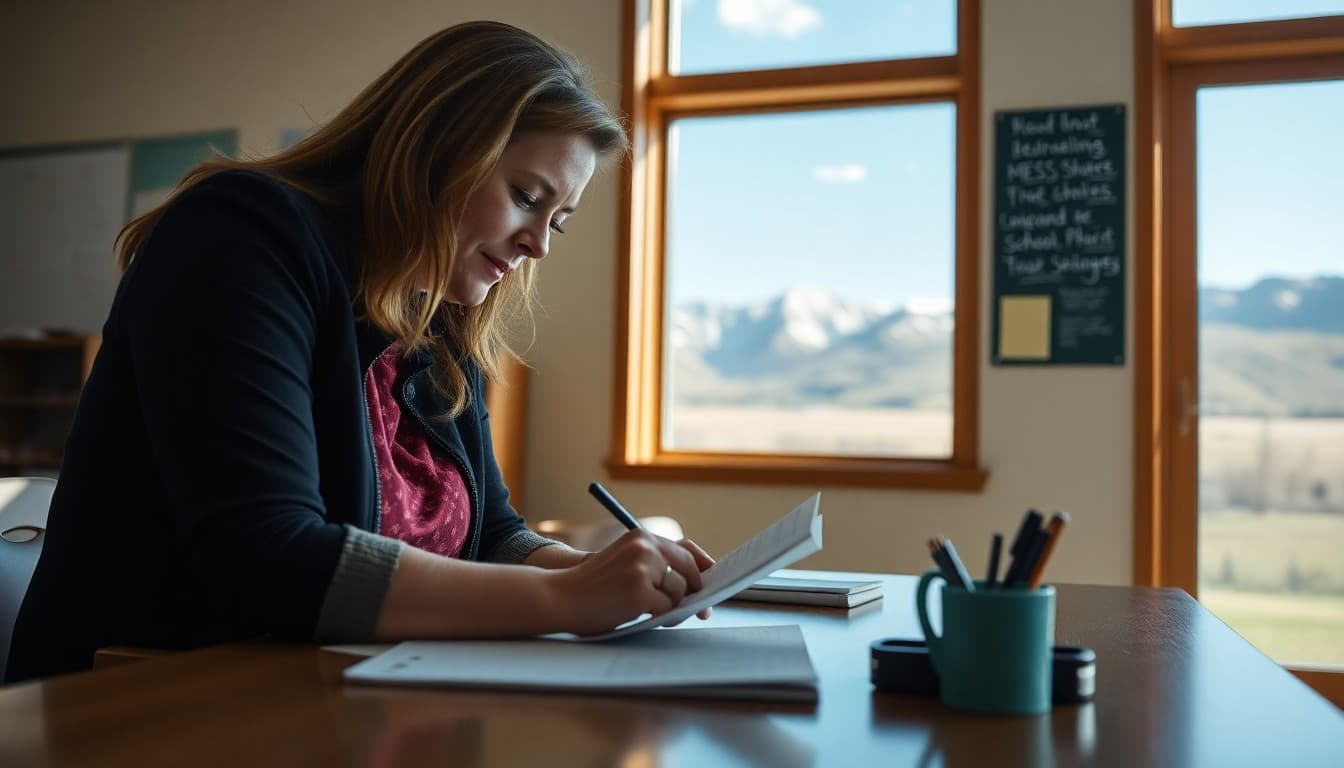
Montana school counselors work in one of the most geographically vast and sparsely populated states in the country. The nearest mental health provider for some Montana families is 100 miles away. Tribal communities on Montana's seven reservations have specific cultural contexts and sovereign health services that operate separately from the state system. Montana winters are genuinely harsh. And the Big Sky country aesthetic aside, daily life in rural Montana involves real isolation that affects mental health in ways that a newsletter built for suburban America does not address.
Indian Education for All: How Montana Counselors Honor It
Montana is the only state with a constitutional mandate to teach Native American cultures and histories in public schools. Indian Education for All shapes the curriculum. School counselors can extend that work into their newsletters by acknowledging the tribal communities present in their districts, referencing tribally operated support programs where they exist, and framing social-emotional content in ways that resonate across cultural backgrounds. This is not a box to check; it is a recognition of the communities counselors actually serve.
Montana Mental Health: Working With Limited Infrastructure
Montana has some of the most significant rural mental health provider shortages in the US. Western Montana Mental Health Center covers the western region. Northeast Montana Health Services covers the Hi-Line communities along Highway 2. For reservation communities, Indian Health Service behavioral health is often the primary option. The 988 Lifeline is the statewide resource. Telehealth is not a convenience in Montana; it is the primary realistic option for many families. Name specific telehealth providers that serve Montana, including whether they accept Medicaid.
Tribal Colleges: A Montana-Specific College Pathway
Montana has seven tribal colleges on its reservations, including Stone Child College, Fort Peck Community College, Little Big Horn College, and Salish Kootenai College. These institutions offer culturally grounded education, are often the most accessible option for reservation students, and have transfer pathways to Montana's four-year institutions. The Montana University System Indian Student Fee Waiver covers tuition at MUS institutions for enrolled members of Montana's federally recognized tribes. These are high-value pieces of information for many Montana families.
Montana Winter and Seasonal Mental Health
Billings, Missoula, and Great Falls have long, cold, and dark winters. Rural areas are more extreme still. The mental health impacts of Montana winters, including Seasonal Affective Disorder, increased substance use, and social isolation, are real and worth addressing in fall newsletters. Practical strategies, maintaining consistent routines, getting outside even in cold weather, maintaining social connections, and knowing when to seek help, are the content that serves Montana families before seasonal patterns become crisis situations.
Agricultural and Ranching Community Context
Montana's agricultural economy, wheat, cattle, and sheep ranching, creates families whose rhythms are shaped by seasons and weather in ways that urban counselors do not encounter. Montana State University Extension has farm and ranch stress resources. Acknowledging the specific pressures of ranching and farming families in your newsletter shows cultural awareness and builds trust with families who often feel that school communications are written for someone else.
Template Section: Winter Mental Health Preparation
Here is a section for Montana fall newsletters:
"Montana winters get long, and the drop in daylight can affect mood and energy more than most people expect. Some practical steps to take now before the hard months arrive: establish consistent sleep and wake times, find at least one outdoor activity that works in cold weather, and maintain regular contact with people you care about even when it feels easier to stay home. If your child starts to seem persistently withdrawn, sad, or hopeless as winter progresses, reach out to the counseling office or your family's healthcare provider. Waiting to see if it gets better on its own is not always the right call."
Mobile Format for Montana's Remote Families
Broadband access in Montana is among the most limited in the country outside major towns. Most rural families access the internet through mobile data. A newsletter that loads quickly on a cellular network and reads cleanly on a small screen is not optional in Montana. Daystage handles mobile optimization automatically, which matters especially for Montana counselors serving communities far from reliable broadband.
Consistency in Big Country
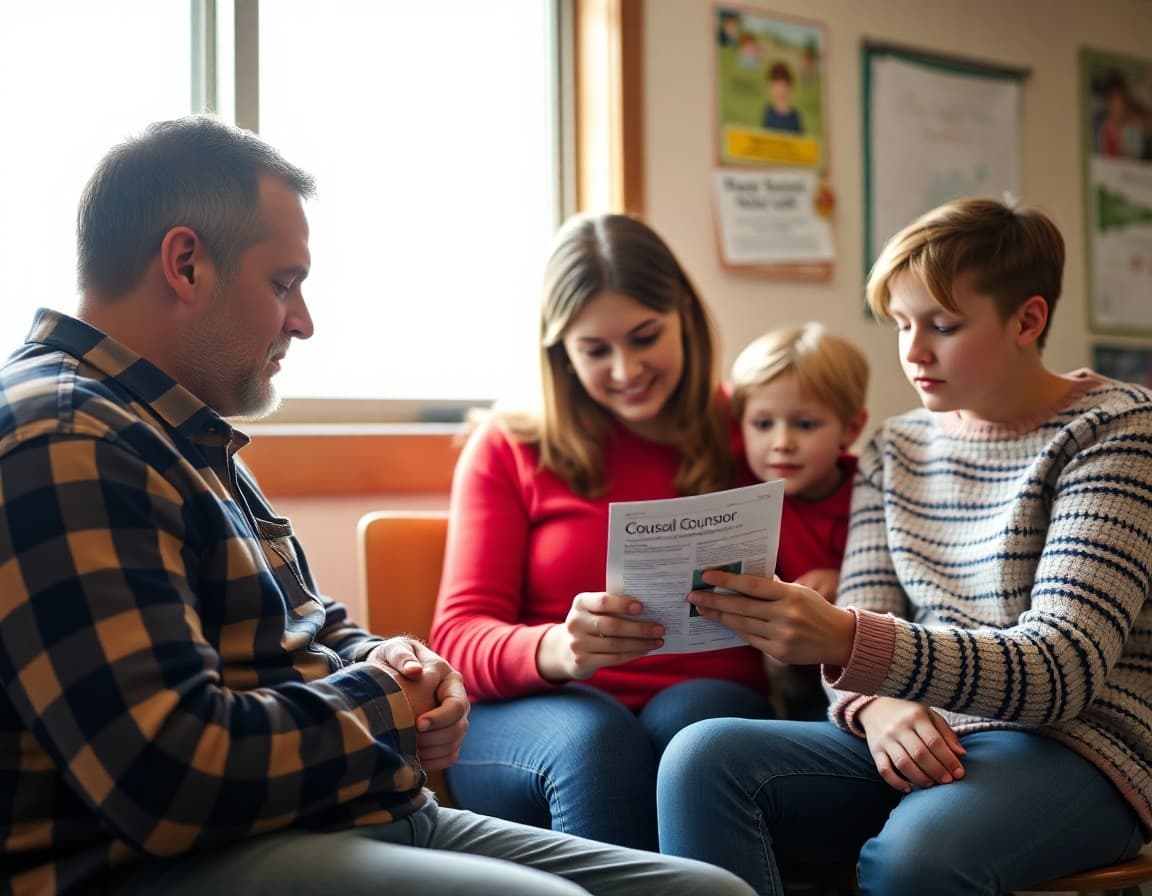
Montana communities are small and people remember. A counselor who shows up consistently every month in a family's inbox is a known presence. That familiarity does real work in a state where driving to the counseling office requires significant commitment. Make the newsletter the touchpoint families can rely on.
Get one newsletter idea every week.
Free. For teachers. No spam.
Frequently asked questions
What should a Montana school counselor include in a newsletter?
Montana counselors should include Indian Education for All content recognition, mental health resources through Montana DPHHS behavioral health, college prep content for Montana's universities and tribal colleges, and seasonal mental health topics relevant to Montana's harsh winters and geographic isolation.
What Montana mental health resources should be in a counselor newsletter?
Montana Behavioral Health is the state agency. Western Montana Mental Health Center covers the western part of the state. Northeast Montana Health Services covers the Hi-Line. The 988 Lifeline is statewide. For tribal communities, Indian Health Service behavioral health programs are often the most accessible and culturally appropriate option. Montana has very limited mental health infrastructure in rural areas.
What is Indian Education for All and how does it affect Montana counselor newsletters?
Montana's Indian Education for All law requires all public schools to teach Montana Native American cultures and histories. School counselors can reinforce this in newsletters by acknowledging tribal community contexts, including Native American heritage in social-emotional content, and connecting families to tribally operated programs where they exist.
What college prep content matters most for Montana families?
University of Montana and Montana State are the flagship institutions. Montana also has seven tribal colleges on reservations that provide culturally grounded education. The Montana University System offers the Indian Student Fee Waiver for enrolled tribal members. Many Montana families, especially in rural and tribal communities, benefit from clear information about community college pathways and trade programs.
What newsletter tool works for Montana school counselors?
Daystage helps Montana counselors build mobile-friendly newsletters that work on slow connections. Given the geographic isolation of many Montana communities, a newsletter that loads quickly on a cellular network and reads clearly on a phone is especially important.

Adi Ackerman
Author
Adi Ackerman is a former classroom teacher and curriculum writer with 8 years in K-8 schools. She writes about school communication, parent engagement, and what actually works in real classrooms.
More for School Counselors
Ready to send your first newsletter?
3 newsletters free. No credit card. First one ready in under 5 minutes.
Get started free