

Missouri School Counselor Newsletter Guide for K-12
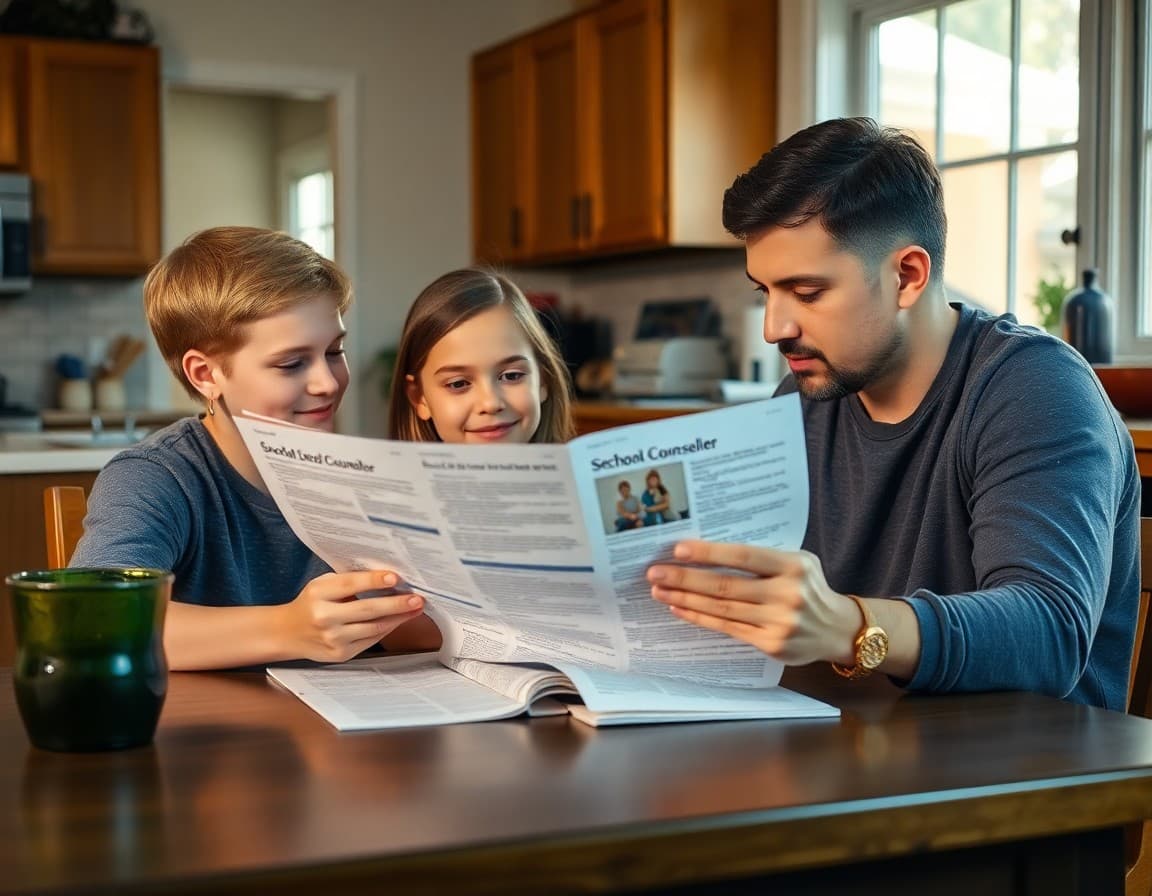
Missouri school counselors work in a state that spans urban metro areas, rural agricultural communities, and the distinct cultural landscape of the Ozarks. Kansas City and St. Louis together anchor much of the state's population, but large portions of Missouri are small towns and farming communities where school counselors are the primary support professional many students will encounter. That role is real. The newsletter is one of the tools that makes it sustainable at scale.
A+ Schools Program: What Missouri Families Need to Know Early
Missouri's A+ Schools Program covers tuition and general fees at Missouri community colleges and vocational schools for graduates of A+ designated high schools. The requirements include maintaining at least a 2.5 GPA, 95% attendance, 50 hours of tutoring or mentoring, and no drug or alcohol violations. The service hours requirement surprises many families who only learn about the program in twelfth grade. A newsletter that explains A+ requirements to ninth and tenth graders gives families the runway to complete hours before senior year. Check whether your school is A+ designated and communicate it clearly if so.
Missouri Mental Health Resources by Region
Missouri Department of Mental Health funds behavioral health centers statewide. CenterPointe Hospital and Behavioral Health serves the St. Louis area. Compass Health Network covers central Missouri including the Columbia and Jefferson City area. The Kansas City metro has multiple community mental health centers through ReDiscover and Spire Health Partners. For rural and Ozarks communities, Burrell Behavioral Health has the widest regional coverage. Name the provider closest to your district.
St. Louis Metro and Urban Missouri Context
St. Louis City and St. Louis County schools serve communities with high poverty concentrations in the city and significant economic and racial stratification across the county. Counselors in the St. Louis metro deal with the mental health impacts of concentrated poverty, community violence, and the ongoing consequences of historical redlining. A newsletter for St. Louis families should connect them to specific urban resources and acknowledge the real stressors shaping their students' experiences.
Ozarks and Rural Missouri Communication
The Missouri Ozarks have strong community ties, cultural conservatism, and limited access to behavioral health services outside of larger towns like Springfield and Rolla. Families in rural Missouri are often reluctant to seek mental health support due to stigma and limited availability. A newsletter that frames mental health support practically, without clinical jargon, and names telehealth as the primary option for families without local providers is more likely to move families to action than one that assumes accessible services.
Missouri Bootheel Agricultural Communities
The southeastern Bootheel region of Missouri is economically similar to the Mississippi Delta it borders. High poverty rates, agricultural labor, and limited services create a community context where counselors' ability to connect families to resources matters enormously. SEMO Alliance for Disability Independence and the Southeast Missouri Behavioral Health network serve this region.
Template Section: A+ Schools Service Hours Reminder
Here is a section for Missouri high school newsletters:
"Missouri's A+ Schools Program covers tuition at community colleges and vocational schools for graduates of A+ designated schools, but it requires completing 50 hours of mentoring or tutoring service before graduation. This is the requirement many students miss when they wait until senior year. If your student is in ninth, tenth, or eleventh grade, now is the right time to start tracking hours. The counseling office has a list of approved activities and the documentation process."
Mobile Format for Missouri's Mixed Connectivity
Kansas City and St. Louis have high smartphone and broadband penetration. Rural Missouri relies primarily on phone-based internet. Mobile-first newsletters work for the full spectrum of Missouri families. Daystage handles mobile formatting automatically, keeping your newsletter accessible everywhere.
Building the Relationship Before the Crisis
In Missouri's smaller communities, families know their counselors personally. In urban districts, that familiarity needs to be built through consistent communication. Either way, a monthly newsletter is one of the most scalable ways to maintain a presence in families' lives before something goes wrong.
Get one newsletter idea every week.
Free. For teachers. No spam.
Frequently asked questions
What should a Missouri school counselor include in a newsletter?
Missouri counselors should cover A+ Schools Program scholarship information, mental health resources through Missouri Department of Mental Health, social-emotional learning updates, and content relevant to whether they serve Kansas City or St. Louis metro families, rural Ozarks communities, or Bootheel agricultural families.
What Missouri mental health resources should be in a counselor newsletter?
The Missouri Department of Mental Health funds community behavioral health centers across the state. CenterPointe Hospital serves St. Louis. Compass Health Network serves central Missouri. The Kansas City metro has a network of community mental health centers. The 988 Lifeline is statewide. Always include your regional center's specific number.
What is the A+ Schools Program and why should Missouri counselors explain it?
Missouri's A+ Schools Program pays tuition and general fees at Missouri community colleges and vocational schools for graduates of A+ designated high schools who meet attendance, GPA, and service hour requirements. Many Missouri families don't know about the service hour requirement until too late. A newsletter that explains A+ to ninth and tenth graders helps families prepare while there is still time.
How should Missouri counselors approach the Ozarks and rural communities?
The Missouri Ozarks have a distinct cultural identity, strong family and community ties, and limited behavioral health infrastructure. Telehealth options are the most practical mental health access point for many families. Plain language, direct communication, and resources that match the actual capacity of rural families work better than urban-facing templates.
What newsletter tool works for Missouri school counselors?
Daystage helps Missouri counselors build professional, mobile-friendly newsletters without design skills. You can include A+ Schools reminders, mental health resources, and family engagement content in a single scheduled send.

Adi Ackerman
Author
Adi Ackerman is a former classroom teacher and curriculum writer with 8 years in K-8 schools. She writes about school communication, parent engagement, and what actually works in real classrooms.
More for School Counselors
Ready to send your first newsletter?
3 newsletters free. No credit card. First one ready in under 5 minutes.
Get started free