

July School Counselor Newsletter: What to Communicate
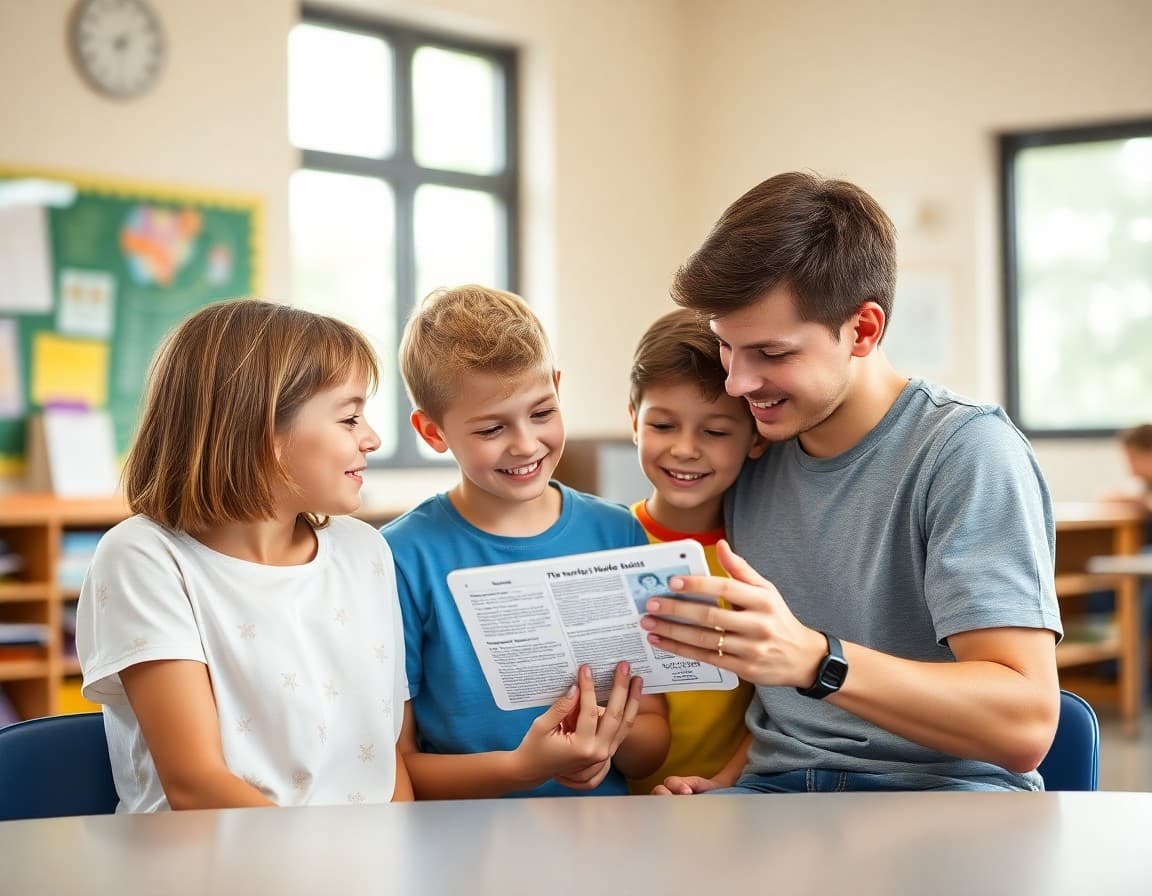
Most school counselors go quiet in July. Families notice, even if they do not say so. A single newsletter this month does more than share information. It signals that your support does not have an off switch. For families managing a student with anxiety, a recent crisis, or a difficult transition, that signal matters more than any specific tip you include.
Why July Is Worth the Send
August back-to-school anxiety builds in July. Students who struggled last year start worrying about the new year six weeks before it starts. Families dealing with summer behavioral changes do not always know whether to call the school, a therapist, or wait it out. A July newsletter gives you a low-stakes way to address those questions before they become September crises.
Keep Summer Mental Health Tips Practical
Families in July do not want a lecture on child development. They want answers to the questions already circling in their heads. Structure your mental health section around specific situations: what to do when your teenager is sleeping until noon, how to handle a child who cries every time school is mentioned, what normal summer boredom looks like versus something worth paying attention to. Concrete beats general every time.
Address Back-to-School Anxiety Early
Some students will not mention their back-to-school nerves until the night before the first day. Give families a script to open the conversation now. Something like: "I know September feels far off, but is there anything about next year that is already on your mind?" Prompt families to ask that question this month, not in August. Early conversations reduce the intensity of last-minute anxiety.
Flag Any Community Resources That Are Still Open
Summer is when many community mental health programs are actually more accessible: fewer school-year scheduling conflicts, shorter waitlists at some clinics, and free programs through libraries, parks departments, and youth organizations. If you know of local options, name them. Families often assume everything closes for the summer and do not seek help that is available.
Remind Families About the Crisis Line
Every July newsletter should include the 988 Suicide and Crisis Lifeline. Put the number in its own short paragraph or callout box. Do not bury it at the bottom. Families who need it will scan for it. Families who do not need it will note that you take safety seriously. There is no downside to making this number visible.
Share One Thing to Do Before August
The most effective newsletters give families a single action to take before they close the email. In July, that action might be: take your child to see their new classroom or school building, have one conversation about what they are nervous about, or schedule a physical and ask the doctor about any mental health concerns. One specific ask creates far more behavior change than a list of ten suggestions.
Template Block: Back-to-School Readiness
Here is a short section you can adapt:
"Back-to-school nerves are real, even for students who seem confident. If your child has mentioned anything about next year, take it seriously without amplifying it. Answer their questions honestly, visit the new school or classroom if you can, and remind them that the adults at school are there to help them get settled. You do not need to have all the answers. Being willing to talk is most of the work."
Format for Summer Reading Habits
Summer newsletters compete with vacation schedules, family activities, and the general drop in routine that makes email harder to process. Use short paragraphs, one or two images, and headers that let families skip to what is most relevant to them. Daystage makes this formatting straightforward without requiring design work on your end. Write the content, drop it into sections, and send. The platform handles the mobile layout automatically.
Get one newsletter idea every week.
Free. For teachers. No spam.
Frequently asked questions
Should school counselors send a newsletter in July?
Yes, if your district supports summer communication. A single July touchpoint keeps families connected, reminds them of mental health resources, and helps ease the back-to-school transition that starts in August. Even a short newsletter demonstrates that your support does not stop on the last day of school.
What should a July school counselor newsletter include?
Focus on summer mental health tips, back-to-school readiness, any community programs still running, and a short reminder about who families can contact in a crisis. Avoid overloading with information since families are in summer mode and reading time is short.
How do I reach families who are less engaged over the summer?
Keep the message short and mobile-friendly. Use a clear subject line that mentions their child's grade or school. Include one or two images to break up text. Families who ignore long newsletters will often read something that looks quick and relevant to their specific situation.
What mental health topics are most relevant for a July newsletter?
Summer anxiety, boredom-related behavior, screen time balance, and back-to-school nerves are all timely in July. If your community has experienced a difficult event, addressing grief or community stress is also appropriate. Practical tips parents can use today perform better than general awareness messages.
What tool can school counselors use to send summer newsletters?
Daystage is designed for school communicators and makes it easy to build a clean, mobile-ready newsletter with links, photos, and resource sections. You can draft it once and schedule delivery without juggling multiple tools.

Adi Ackerman
Author
Adi Ackerman is a former classroom teacher and curriculum writer with 8 years in K-8 schools. She writes about school communication, parent engagement, and what actually works in real classrooms.
More for School Counselors
Ready to send your first newsletter?
3 newsletters free. No credit card. First one ready in under 5 minutes.
Get started free