

January School Counselor Newsletter: New Year, New Semester Focus
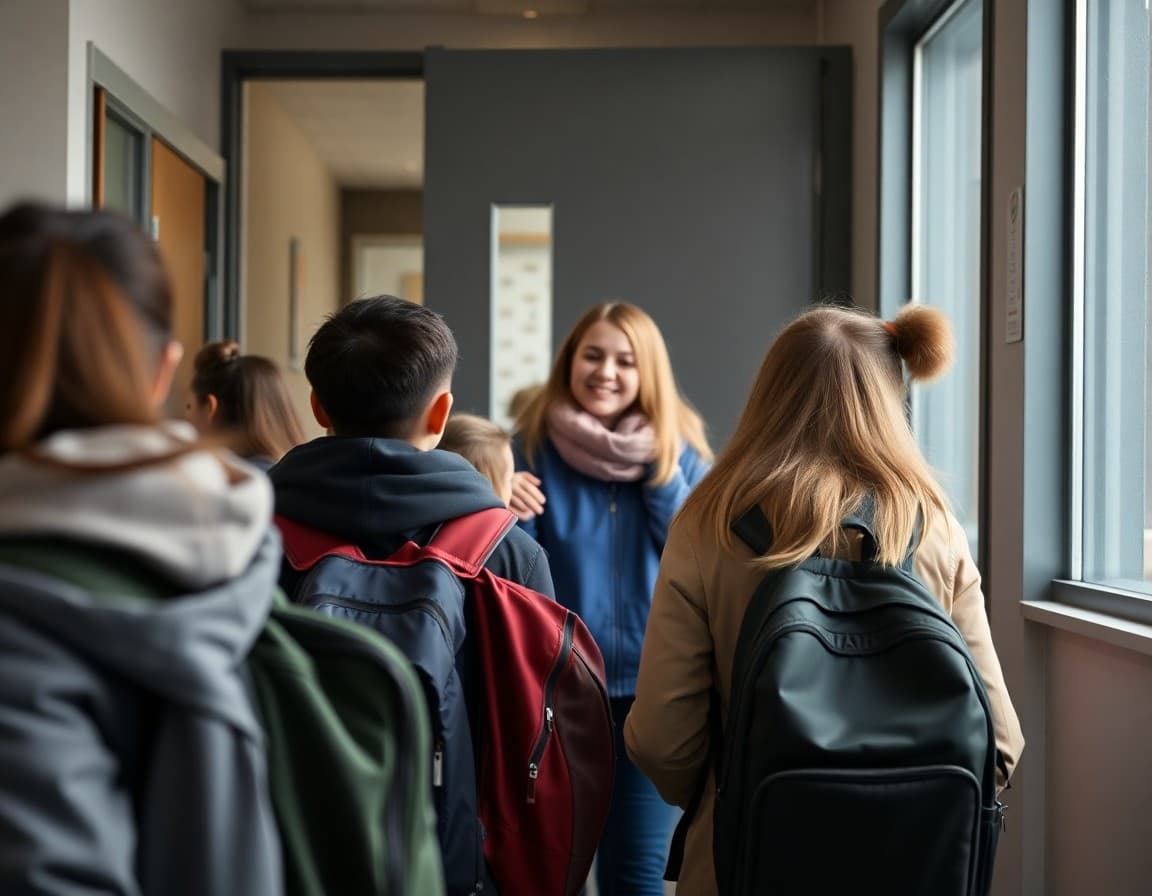
January is a reset month with real challenges underneath the fresh-start energy. Students returning from break face disrupted sleep schedules, social reentry anxiety, and a second semester that feels simultaneously new and already behind. Your January newsletter addresses those realities and gives families concrete tools for the first weeks back.
Acknowledge the reentry reality
Many students struggle to come back to school after a two-week break. The most common issues: sleep schedules that shifted two or three hours later, reduced structure making classroom demands feel jarring, and social anxiety about re-entering peer relationships after a gap. Tell families what this looks like so they can recognize it: resistance to getting up, sudden stomachaches on school mornings, more irritability than usual in the first week. And give one practical response: "Try moving bedtime 30 minutes earlier each night starting three to four days before school resumes rather than going cold turkey."
Offer a simple January intention activity
Goal-setting is the January cliche. Most students have heard the resolutions talk and do not find it motivating. A different frame works better: an intention rather than a goal. Give families a dinner-table question: "What is one thing you want to feel more of at school this semester, and what is one small thing you could do differently to get there?" That question invites reflection without the pressure of measurable targets.
Address seasonal mood and energy shifts
January is darker, colder, and more indoor-focused than any other month in the school year. For students with depression, anxiety, or ADHD, the combination of less sunlight and less outdoor time has real effects on mood, focus, and motivation. A brief factual paragraph helps families understand what they are seeing. One practical suggestion: "Even 15 minutes of outdoor time during daylight hours makes a measurable difference in mood for many students. A short walk after school before homework can help more than another hour of screen time."
Connect to your second-semester counseling focus
Tell families what you are working on in classroom visits and individual meetings this semester. For many school counselors, second semester brings college planning conversations for older students, career exploration for middle schoolers, and friendship and community-building for elementary ages. One paragraph describing your January classroom topics builds awareness and lets parents reinforce the conversations at home.
Share a practical coping skill for winter months
January is a good month for a low-effort coping skill families can practice at home. Behavioral activation, the practice of doing something engaging before you feel motivated to do it rather than waiting for motivation first, is simple enough to explain in two sentences and genuinely useful for students who have been in low-activity mode over break. "Instead of waiting until you feel like doing something, try doing one small thing first. Motivation usually follows action, not the other way around."
Remind families about counseling resources
January is when some students begin showing signs of depression or anxiety that were masked over the holiday by activity and family time. A brief reminder that the school counselor is available for student and parent consultations, with your contact information and an open invitation to reach out, is well-timed.
Close with something forward-looking
January can feel heavy. A brief, genuine closing about what you are looking forward to in the second semester and your confidence in your students sets a tone that families will carry into the new year.
Daystage makes your January counselor newsletter easy to send to every family at the start of the new semester. Build your template, update the content, and track who received it before the first week of school is over.
Get one newsletter idea every week.
Free. For teachers. No spam.
Frequently asked questions
What should a school counselor cover in a January newsletter?
Reentry after winter break, goal-setting activities families can do at home, winter mood and seasonal affective symptoms in students, second-semester academic expectations, and how to talk with children about new year intentions without creating pressure. January is also a good time to remind families about counseling resources available at school.
How do I address the January reentry challenge in a counselor newsletter?
Be direct. Some students genuinely struggle to return to school after two weeks at home. The combination of disrupted sleep schedules, reduced structure, and social anxiety about returning to peer groups creates a real adjustment period. Telling families what this can look like and giving them one or two strategies for the first week back is immediately useful.
Should I include goal-setting guidance in a January counselor newsletter?
Yes, but frame it carefully. New Year's resolutions create pressure. Focus instead on one small intention families can set together, not a list of improvements. 'What is one thing you want to do more of this semester?' is a better framing than a goal-setting worksheet.
How do I address seasonal mood changes in a January counselor newsletter?
Briefly and factually. January brings less sunlight, colder temperatures, and longer indoor time, all of which can affect mood and energy in children and adults. Name the pattern, mention that reduced outdoor time and physical activity contribute to it, and give one practical suggestion: outdoor time during daylight hours, even briefly, helps.
What tool helps school counselors send monthly newsletters efficiently?
Daystage is a school newsletter platform that lets counselors build a reusable monthly template and send to families in minutes. You can track open rates, which helps you identify families who may not be receiving your communications and might need a different outreach approach.

Adi Ackerman
Author
Adi Ackerman is a former classroom teacher and curriculum writer with 8 years in K-8 schools. She writes about school communication, parent engagement, and what actually works in real classrooms.
More for School Counselors
Ready to send your first newsletter?
3 newsletters free. No credit card. First one ready in under 5 minutes.
Get started free