
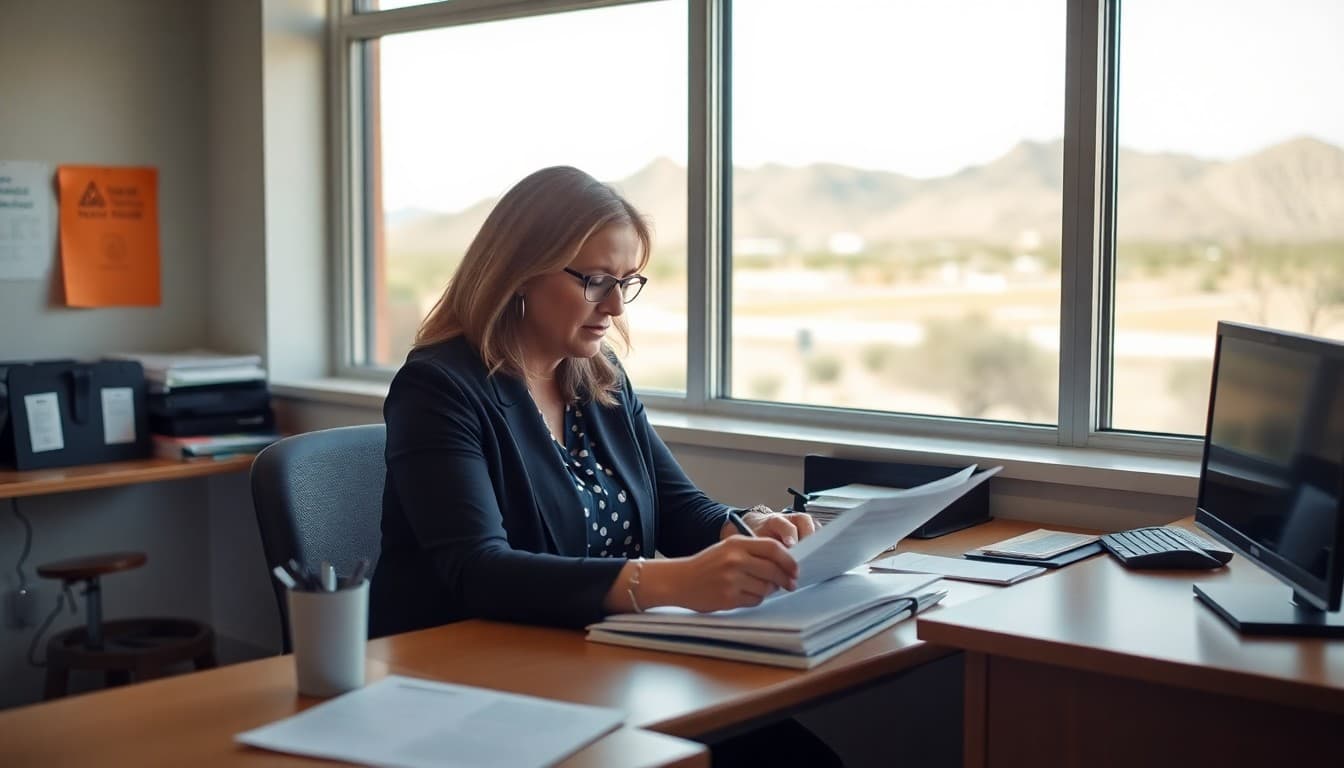
Arizona School Counselor Newsletter Guide for K-12
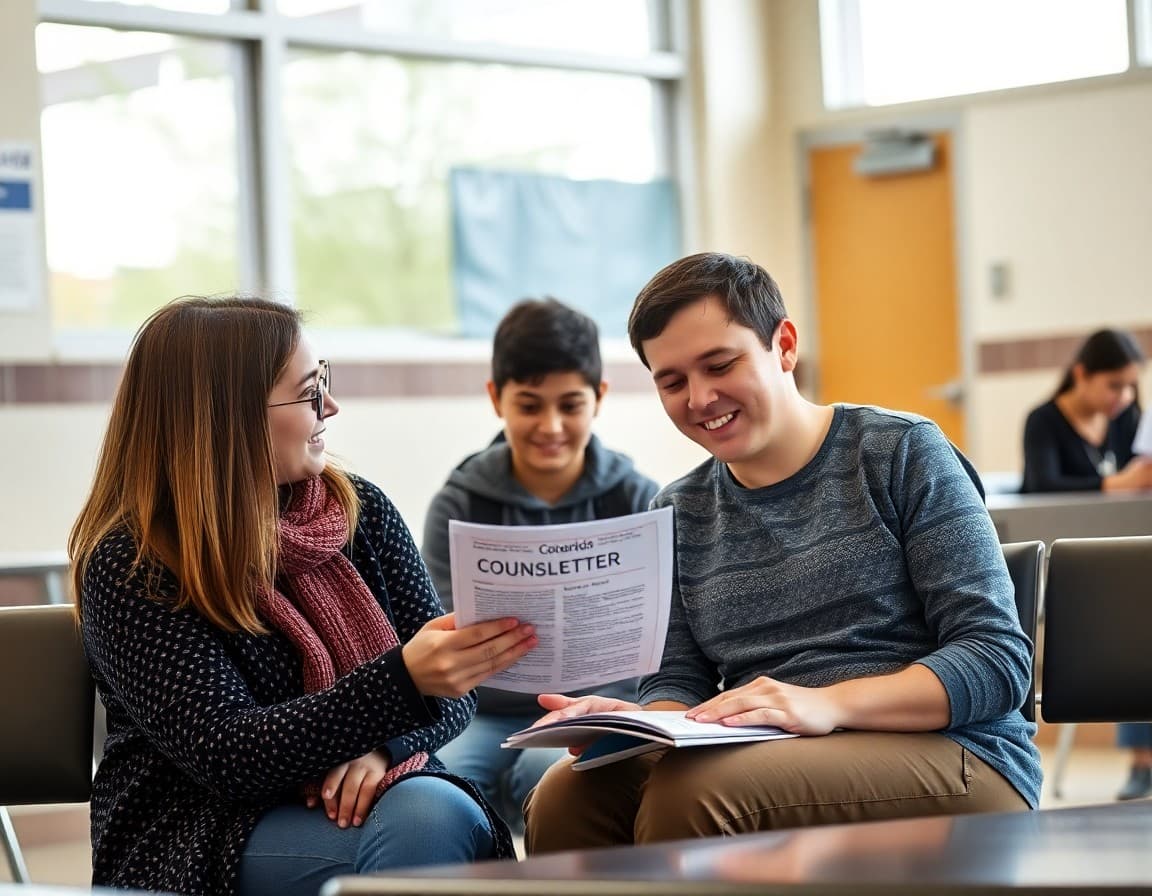
Arizona school counselors serve one of the most diverse student populations in the country. Urban districts in Phoenix and Tucson, rural farming communities, tribal nations, and border towns each bring different family contexts and different communication needs. A newsletter that works for one Arizona community may need real adjustments for another. But the foundation stays the same: clear information, accessible resources, and a consistent voice families can trust.
Know Your Community Before You Write
The Navajo Nation, the Tohono O'odham, and more than 20 other tribal nations operate within Arizona's borders. Maricopa County is one of the fastest-growing urban centers in the US. Rural Yuma County is heavily agricultural with a large Spanish-speaking population. Before drafting your newsletter, think about which families you are writing for. What languages do they speak at home? What barriers do they face in accessing services you might reference? That thinking shapes every word.
Arizona Mental Health Resources That Actually Help
The Arizona Crisis Line at 1-844-534-4673 operates 24/7. Crisis Response Network covers Maricopa and Pima counties. For families in tribal communities, Indian Health Service behavioral health programs are often the most accessible and culturally appropriate option. The 988 Suicide and Crisis Lifeline reaches any Arizona family. If your district is near the US-Mexico border, cross-cultural mental health programs through organizations like Mariposa Community Health Center serve families with ties to both countries.
College and Career Content for Arizona Families
Arizona has the Arizona Promise Program, which provides grants for qualifying students at Arizona State University, University of Arizona, and Northern Arizona University. Many Arizona families are first-generation college-goers and benefit from plain explanations of FAFSA deadlines, community college transfer pathways, and Arizona's tuition waiver programs for students in foster care. Do not assume families already know what options exist. Many do not, and your newsletter may be the first place they hear about them.
Heat and Summer Safety in Your Summer Newsletter
Arizona summers create risks that counselors in other states do not have to address. Extreme heat affects mood, sleep, and behavior in children and adolescents. A summer newsletter that includes heat safety alongside mental health tips is not overstepping. Mentioning cooling centers operated by Maricopa and Pima counties, free summer meal programs, and the behavioral health impact of being stuck indoors during 115-degree weeks is genuinely useful to Arizona families.
Bilingual Communication in Arizona
Spanish is the primary home language for a significant share of Arizona students. If you can provide a Spanish-language version of your newsletter or a translated summary section at the bottom, do it. Even a partial translation signals respect and increases the chance that information reaches families who need it. Your district may have translation support available, or tools like Daystage can help you format bilingual content cleanly.
Template Section: College Exploration Prompt
Here is a section you can adapt for high school newsletters:
"Arizona has strong pathways to college and careers that do not always require moving across the country or taking on significant debt. The Arizona Promise Program, community college transfer options, and apprenticeship programs in healthcare, construction, and technology are all worth exploring. If you want to talk through what makes sense for your student's goals and circumstances, I am happy to meet. College planning works best when it starts before junior year."
Keep Format Simple for Mixed Connectivity
Arizona has rural areas with limited broadband access alongside major metro areas with strong connectivity. Designing for the lower-connectivity family means everyone benefits. Short load times, minimal graphics, and mobile-first formatting work across the spectrum. Daystage handles the mobile layout automatically, so you can focus on what to say instead of how to format it.
Consistent Monthly Sends Build Long-Term Trust
Families who hear from the counselor only when something is wrong associate counselor contact with problems. Monthly newsletters change that. They make your name and face familiar. When a family member is struggling in December, they are more likely to reach out to someone they have been hearing from since August than to a name they found on a website.
Get one newsletter idea every week.
Free. For teachers. No spam.
Frequently asked questions
What should an Arizona school counselor include in a newsletter?
Arizona counselors should address ASCA-aligned social-emotional learning topics, Arizona-specific college prep resources like the Arizona Promise scholarship program, mental health referrals through the Arizona Department of Health Services, and any district updates relevant to families. Content that connects to the specific communities you serve, including tribal nations, urban centers, and border communities, is more effective than generic templates.
What Arizona mental health resources should be in a school counselor newsletter?
The Arizona Crisis Line (1-844-534-4673) is available 24/7. Crisis Response Network operates across Maricopa and Pima counties. For tribal communities, Indian Health Service behavioral health programs serve many Arizona families. Southern Arizona Mental Health also serves rural and border-area families. Always include the 988 Suicide and Crisis Lifeline.
How do Arizona counselors address the diverse student populations in their newsletters?
Arizona has significant Latino, Native American, and refugee populations across its districts. Newsletters that acknowledge cultural context, provide translations where needed, and reference culturally grounded resources are more effective. Maricopa County has Spanish-language mental health resources. Several tribes in Arizona operate their own youth behavioral health programs.
What college prep content is relevant for Arizona high school families?
Arizona has the Arizona Promise program for students from lower-income families attending ASU, UArizona, or NAU. The Arizona Scholarship program and FAFSA completion rates are also newsletter-worthy topics. Many Arizona families are the first in their family to consider college, making clear and jargon-free college prep content especially valuable.
What newsletter tool do Arizona school counselors use?
Daystage is used by school communicators across Arizona to build clean, mobile-friendly newsletters without design work. You can include links, photos, resource sections, and schedule delivery in advance.

Adi Ackerman
Author
Adi Ackerman is a former classroom teacher and curriculum writer with 8 years in K-8 schools. She writes about school communication, parent engagement, and what actually works in real classrooms.
More for School Counselors
Ready to send your first newsletter?
3 newsletters free. No credit card. First one ready in under 5 minutes.
Get started free