
Alaska School Counselor Newsletter Guide for K-12
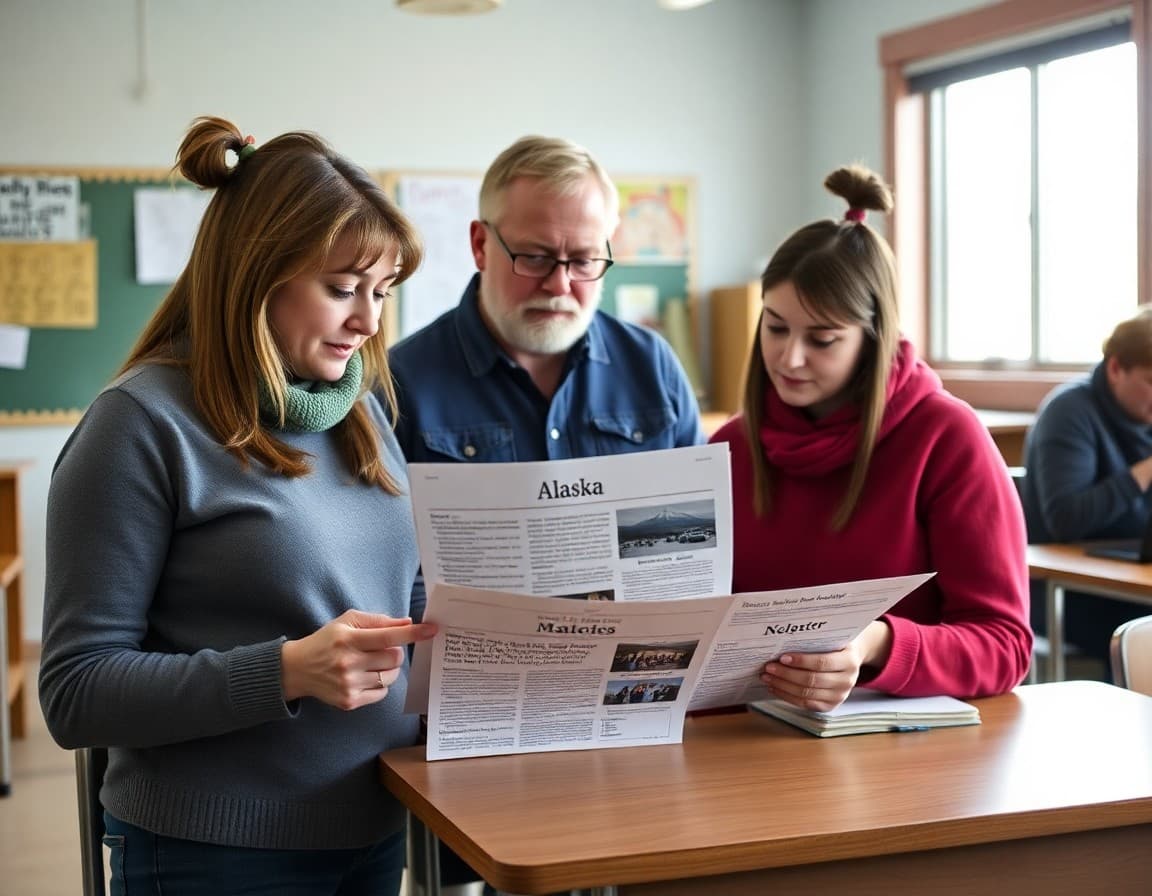
Alaska school counselors work in one of the most geographically demanding education environments in the country. A counselor in Fairbanks faces different realities than one serving a village accessible only by bush plane. But the communication goal is the same: reach families with information that helps them support their students, regardless of what the landscape between school and home looks like.
Design for the Connectivity You Have, Not the Connectivity You Wish You Had
A beautifully designed newsletter with embedded video links and large images is useless if it will not load on a satellite connection. Keep your file size low. Use one or two images maximum. Offer a plain-text version for families with the most limited access. If your district has a system for printed communications, coordinate with the office to make sure printed copies reach families who cannot access email reliably.
Seasonal Mental Health Is Not Optional in Alaska
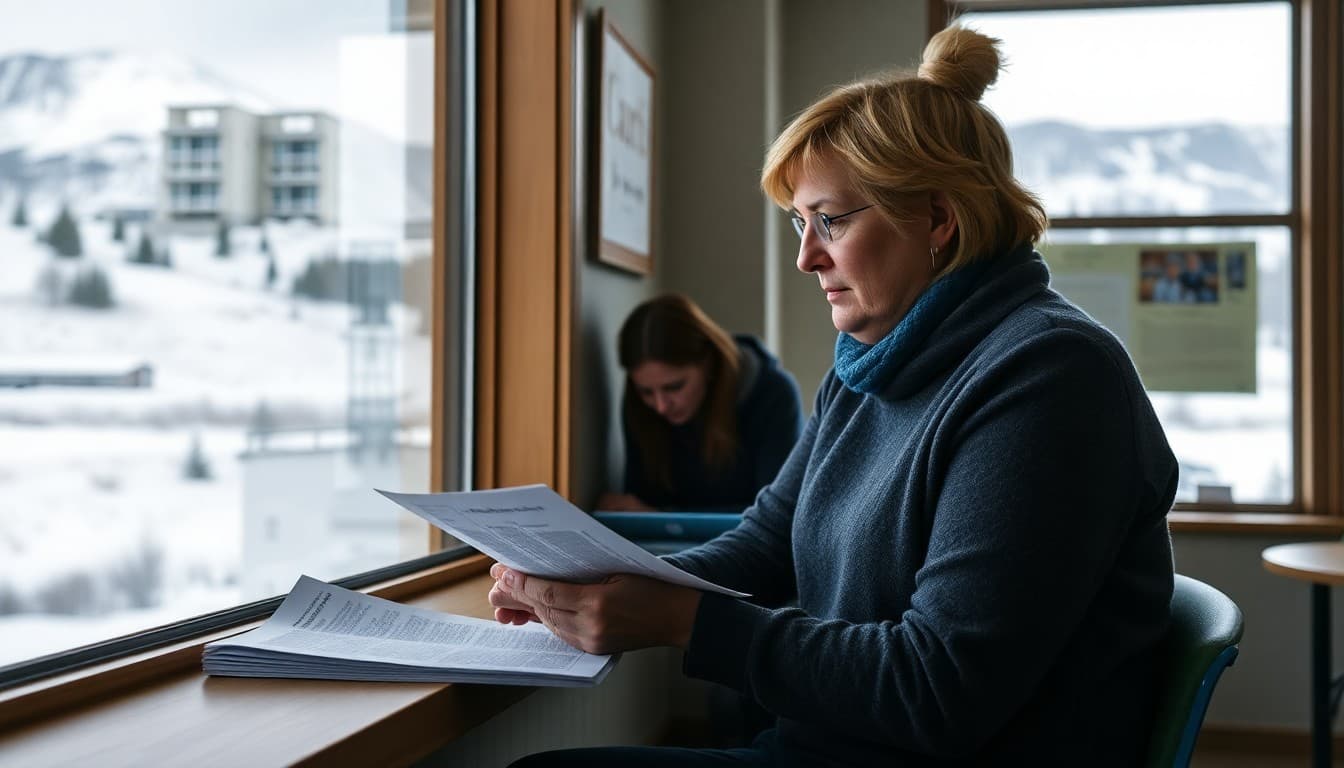
The mental health impact of Alaska's seasonal light changes is documented and significant. Fairbanks sees fewer than four hours of daylight in December. Anchorage families deal with rapid shifts between extreme darkness and 19-hour summer days. Seasonal Affective Disorder affects children and teens, not just adults. Your fall newsletter should explicitly name this, describe warning signs in kids, and include practical strategies: light therapy lamp use, consistent wake times, outdoor time even in cold weather, and when to consult a pediatrician.
Acknowledge Alaska Native Cultural Context
A meaningful portion of Alaska's student population is Alaska Native. Generic mental health resources and Western therapeutic frameworks do not always resonate with families whose cultural approaches to wellbeing differ. When your newsletter references community support, include tribally operated programs, cultural camps, and Native corporation youth services alongside state and federal resources. Ask your district's Alaska Native liaison to review content before sending if you are unsure about cultural accuracy.
State and Local Resources Worth Naming
The Alaska CareLine (1-877-266-4357) provides statewide crisis support. The Alaska Mental Health Trust Authority funds a range of programs across regions. For students in communities served by tribal health organizations, the Alaska Native Tribal Health Consortium's behavioral health services are often the most accessible option. Include the contact for your nearest regional behavioral health provider, not just the statewide line. Local numbers get used. Statewide numbers get filed away.
College and Career Content That Fits Alaska
The University of Alaska system, Alaska Pacific University, and programs at community campuses serve a large portion of Alaska students who want to stay in state. The Alaska Performance Scholarship and the AlaskAdvantage program are worth explaining in newsletters aimed at high school families. Trade and vocational pathways are also strongly relevant in Alaska, where industries like fishing, oil, construction, and aviation are major employers. Do not default to a four-year-college-only framing.
Template Section: Seasonal Mental Health Check-In
Here is a block you can adapt for fall or winter newsletters:
"As daylight decreases, some students start to feel more tired, irritable, or withdrawn. This can be a normal response to seasonal change, but it is worth paying attention to. If you notice your child pulling away from activities they usually enjoy, sleeping much more than usual, or expressing hopelessness, reach out to the counseling office or your family's healthcare provider. Light therapy, consistent sleep schedules, and outdoor time even in the cold can help. You do not have to wait for things to get serious before asking for support."
Build in Two-Way Communication
Remote families often feel disconnected from what happens at school. Including a short question in your newsletter, "What is one thing you want me to know about your child this month?", with a simple reply link or phone number, signals that you want to hear from them. Responses will be uneven but the ones you get are often the most important. Daystage lets families reply directly through the newsletter platform, which keeps the conversation thread in one place.
Send Consistently Even When Life Gets Complicated
Alaska school counselors deal with staff turnover, weather disruptions, and logistical challenges that can make consistent communication feel impossible. Even a short two-section newsletter is better than silence. Families who hear from you regularly know you are present and invested. Families who only hear from you in emergencies are harder to reach when it matters most.
Get one newsletter idea every week.
Free. For teachers. No spam.
Frequently asked questions
What challenges do Alaska school counselors face when sending newsletters?
Many Alaska districts serve remote communities where internet access is limited or unreliable. Some families live in villages accessible only by small plane. Counselors must plan for both digital and printed distribution, keep file sizes small, and acknowledge in their content that some resources require internet or transportation access that not all families have.
What seasonal mental health topics should Alaska counselors address?
Seasonal Affective Disorder is significantly more common in Alaska due to extreme winter darkness. A fall newsletter should address light exposure, sleep routine maintenance, and warning signs of seasonal depression in children and adolescents. Spring newsletters can address the shift back to long daylight hours, which disrupts sleep for many Alaskan families.
What Alaska-specific resources should counselors include in newsletters?
The Alaska Mental Health Trust Authority funds programs across the state. The Alaska CareLine (1-877-266-4357) provides crisis support statewide. For Native Alaskan students, connecting families to tribally operated health programs and cultural support services is often more effective than generic referrals. The Alaska Native Tribal Health Consortium also offers youth mental health resources.
How do Alaska counselors handle the unique needs of Alaska Native students in newsletters?
Acknowledge cultural context without stereotyping. Reference specific programs that are tribally operated or culturally grounded. Avoid assuming that Western mental health frameworks resonate equally with all families. Connecting with Alaska Native liaisons or elders in your community before writing can strengthen your content significantly.
What newsletter tool works well for Alaska school counselors?
Daystage lets Alaska counselors build mobile-friendly newsletters and schedule sends in advance. For remote communities, the mobile-first format matters especially since smartphone access is often more reliable than desktop internet connections in rural Alaska.

Adi Ackerman
Author
Adi Ackerman is a former classroom teacher and curriculum writer with 8 years in K-8 schools. She writes about school communication, parent engagement, and what actually works in real classrooms.
More for School Counselors
Ready to send your first newsletter?
3 newsletters free. No credit card. First one ready in under 5 minutes.
Get started free