

Utah School Board Newsletter Guide: Communicating Governance in a Fast-Growing State
Utah school boards govern 41 school districts in one of the fastest-growing states in the country. Utah's population growth creates persistent challenges around school capacity, boundary adjustments, and new school construction that require ongoing communication with families. The state also has an active school choice sector and a legislature that regularly revisits education funding and policy. In this dynamic environment, a consistent board newsletter is essential for keeping families informed and building the community confidence that effective governance requires.
This guide covers what Utah school board newsletters should include, how to communicate on the issues most relevant to Utah districts, and how to build community trust through regular, transparent governance communication.
Board meeting decisions with context and reasoning
Utah board meeting summaries should explain what was decided and why. For each significant decision, provide the context families need: what problem was addressed, what alternatives were evaluated, and why this course was chosen. Utah communities value direct, efficient communication from their elected officials. Newsletters that explain the board's reasoning build trust more effectively than those that report outcomes without context.
RISE assessment results and Utah School Report Card grades
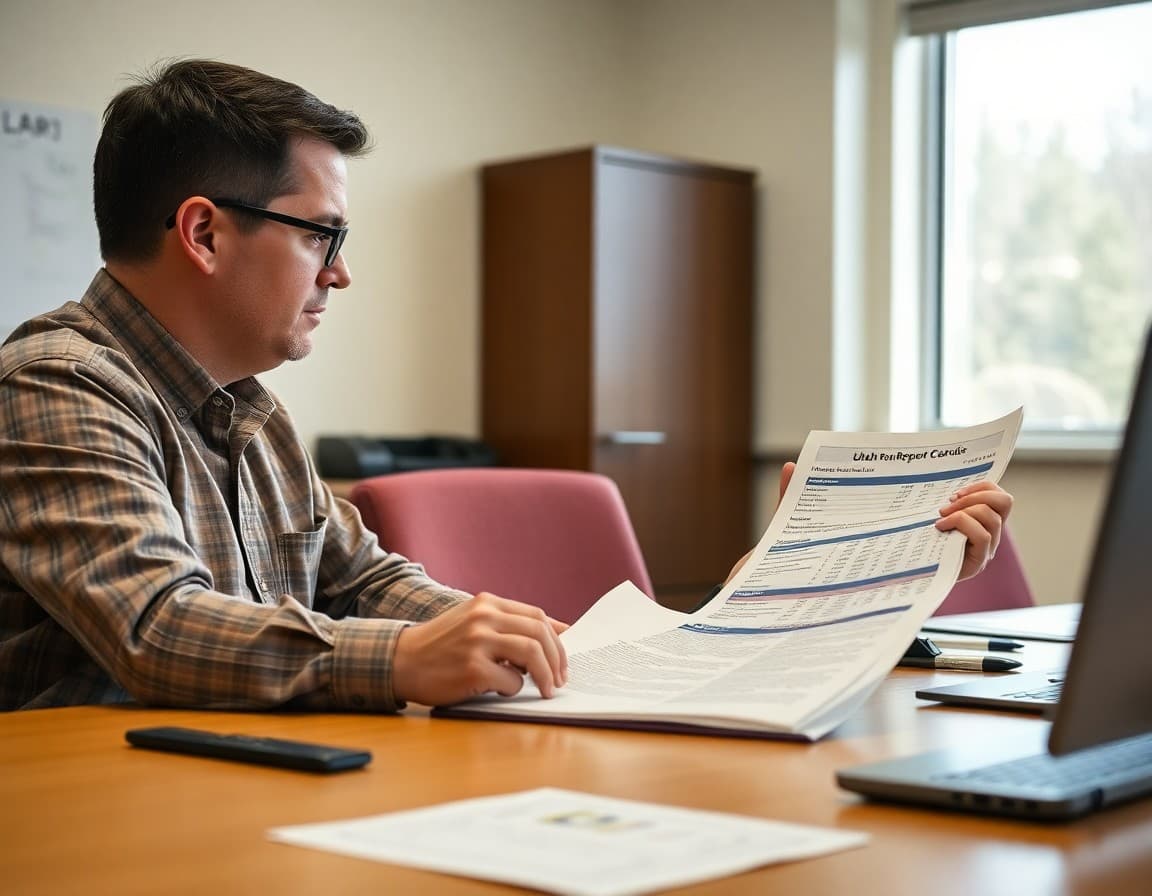
Utah's RISE assessments and the Utah School Report Card provide annual academic performance data that families can access publicly. When assessment results are released, board newsletters should address them directly. Report scores by school and grade level, explain what the data means, describe the board's response to areas needing improvement, and acknowledge strong results. Boards that communicate about performance data proactively are more credible than those that wait for community questions.
Enrollment growth, boundary adjustments, and new schools
Utah's rapid population growth means that many districts are regularly building new schools, adjusting attendance boundaries, and managing school capacity challenges. Board newsletters should communicate what is happening: where new schools are under construction, how boundaries are being adjusted and why, and what families in high-growth areas can expect. Families who understand the growth challenge and the board's response are more likely to accept temporary inconveniences while permanent solutions are put in place.
WPU funding and budget transparency
Utah's Weighted Pupil Unit formula allocates state education funding based on per-pupil counts with weights for different student needs. The WPU value is set by the legislature each year and is the key variable in district budget planning. Board newsletters should explain what WPU value the legislature has set, what it means for the local budget, and how the board is allocating resources to support district programs. Budget communications should connect spending decisions to student outcomes.
School choice context in Utah
Utah has charter schools, open enrollment options, and other school choice mechanisms. Board newsletters should communicate what local district schools offer, make an affirmative case for local schools, and provide context about how enrollment decisions affect district resources. Boards that communicate the value of their schools clearly and specifically are better positioned in Utah's competitive school choice environment.
Community participation in Utah board governance
Utah's Open and Public Meetings Act ensures that board meetings are publicly accessible. Board newsletters should preview upcoming agenda items, explain significant decisions, and provide clear information on how to attend, comment, and participate. Advisory committee openings and community listening sessions should be promoted with specific logistics.
Using Daystage for Utah board newsletters
Daystage supports Utah school boards in building a consistent, professional newsletter practice. Design a monthly template with standard sections: meeting summary, RISE results, enrollment and growth updates, WPU and budget information, and participation opportunities. Boards that communicate consistently in Utah's fast-changing school environment help families stay connected to local governance and build the trust that makes difficult growth decisions go more smoothly.
Board elections and communication continuity in Utah
Utah school board elections occur in November of even-numbered years for most districts. Newsletter communication should be designed as an institutional function that persists through membership changes. Introduce new members, acknowledge departing members, and maintain the same structure and publication schedule across election cycles. Consistent communication signals institutional stability in a rapidly changing state.
Get one newsletter idea every week.
Free. For teachers. No spam.
Frequently asked questions
What should a Utah school board newsletter include?
Board meeting decisions with explanations, RISE and ACT assessment results, Utah School Report Card grades, school choice and open enrollment context, WPU funding and budget information, policy changes affecting families, and community participation opportunities. Utah boards that explain the reasoning behind decisions build more community trust.
How often should Utah school boards publish a newsletter?
Monthly publication aligned with the regular board meeting cycle is appropriate for most Utah boards. Utah's rapid population growth creates ongoing communication needs around school capacity, boundary adjustments, and new school openings that a consistent newsletter can address systematically.
How should Utah boards communicate about RISE assessment results?
Utah's RISE assessments in English language arts, mathematics, and science are administered in grades 3 through 8. When results are released, board newsletters should address them directly: report scores by school and grade level, explain what the data means, describe the board's response to areas of underperformance, and acknowledge strong results. Honest communication about academic data is more credible than avoiding it.
What is the WPU and how should Utah boards explain it to families?
Utah's Weighted Pupil Unit is the foundational unit of the state's school funding formula. State funding is calculated by multiplying the number of WPUs a district generates by the WPU value the legislature sets each year. Board newsletters should explain what WPU value the legislature set, what it means for the local budget, and how the board is allocating resources. Families who understand the WPU funding mechanism are better advocates with their legislators.
How does Daystage support Utah school board communication?
Daystage gives Utah school boards a professional newsletter platform for consistent, clear board communication. Build a monthly template with standard sections covering meeting summaries, RISE results, WPU and budget information, school choice context, and community participation. Consistent communication helps fast-growing Utah communities stay connected to local school governance.

Adi Ackerman
Author
Adi Ackerman is a former classroom teacher and curriculum writer with 8 years in K-8 schools. She writes about school communication, parent engagement, and what actually works in real classrooms.
More for School Board
Ready to send your first newsletter?
3 newsletters free. No credit card. First one ready in under 5 minutes.
Get started free