

School Board Strategic Plan Newsletter: Sharing the Vision
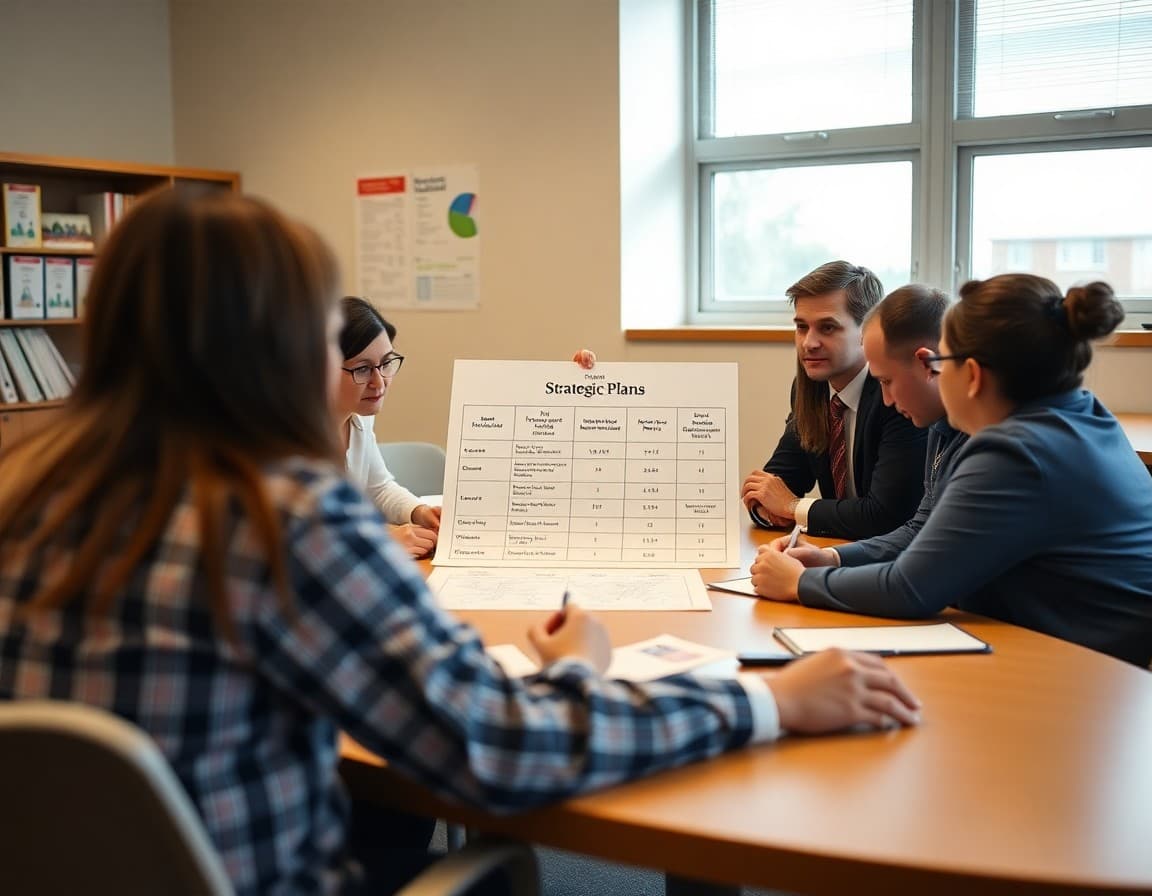
A school board's strategic plan represents months of community input, data analysis, and goal-setting. The newsletter that introduces it or updates families on its progress either builds public confidence in the board or leaves the community confused about what was decided and why. Most strategic plan newsletters fail not because the plan is bad but because the communication treats the document as the deliverable rather than the community relationship.
The Purpose of a Strategic Plan Newsletter
The strategic plan document is for the board and district leadership. The newsletter is for the community. Those are different audiences with different needs. A 47-page strategic plan with appendices tells a board member what they need to govern. It tells a parent nothing they can act on. The newsletter's job is to translate the plan into answers to the questions families are actually asking: What is the board trying to accomplish? How does this affect my child's school? What is the timeline? How do I stay informed or weigh in?
Introducing the Plan: The First Newsletter
The launch newsletter should explain the process that produced the plan before it explains the plan itself. How long did it take? Who was involved? How many community members provided input? This context establishes that the plan reflects something broader than the board's own preferences. Then summarize the three to five core goals in plain language. Not "Enhance academic achievement through evidence-based instructional frameworks" but "Raise graduation rates by 8 percent over five years by improving reading support in grades K through 3." Specificity communicates credibility.
Writing Progress Updates That Mean Something
Quarterly or monthly progress updates should follow a consistent format. For each goal the update addresses: state what was committed to, describe what has happened since the last update with specific data or milestones, and name the next measurable step. A board that says "Reading scores in third grade increased by 4 points compared to last fall" is giving families something to evaluate. A board that says "We continue to prioritize literacy" is not. The format is simple but requires that someone is tracking actual outcomes between newsletters, not just activity.
Handling Underperforming Goals
Every multi-year strategic plan includes goals that are behind schedule or producing weaker results than projected. Families who follow the plan closely will notice. The board that addresses a struggling goal directly and explains what adjustment is being made earns far more trust than one that goes quiet on the topic until the annual report. A brief "We committed to X, we are at Y, and here is what we are changing" paragraph in the relevant update cycle is enough. The community does not expect perfection. It expects honesty.
Making the Community's Input Visible
Many communities provided significant input during the strategic planning process through surveys, community meetings, and focus groups. That input should appear explicitly in the newsletter. Quote specific themes from the community feedback that shaped particular goals. "You told us the top priority was mental health support. This is what we built in response" is more powerful than presenting the plan as a board-generated document. Families who see their input reflected are more likely to trust the board's decisions and remain engaged in future input processes.
Connecting Plan Goals to Individual Schools
A district-wide strategic plan can feel abstract to families who care most about their child's specific school. Include a short section in each update that names which schools or grade levels are affected by the goal being discussed. If the technology initiative is rolling out to elementary schools first, say so and name them. If the mental health staffing goal adds a counselor to Title I schools in year one, name which schools that includes. This level of specificity makes the plan tangible and shows families whether the work is reaching their community.
The Accountability Section
Every strategic plan newsletter should include a brief accountability section at the end: here are the metrics we are tracking for each goal, here is the baseline we started from, and here is where we are now. This does not need to be a full data table. A four-row summary with goal name, baseline number, current number, and target is enough. Families and community members who want to hold the board accountable need this information. Boards that publish it consistently are less likely to face credibility challenges at public meetings.
Building a Public Archive
Every strategic plan newsletter should be archived on the district website. New community members, reporters, and families who moved to the district mid-cycle should be able to read the history of decisions and progress without requesting documents through the board office. A simple archive page with dated issues in reverse chronological order is enough. Include a link to the archive in every newsletter. This practice also serves as a governance record that boards can point to when questions arise about what was communicated and when.
Get one newsletter idea every week.
Free. For teachers. No spam.
Frequently asked questions
What should a school board strategic plan newsletter include?
It should cover the plan's core goals in plain language, the timeline for each major initiative, how the community provided input during the planning process, how progress will be measured and reported, and how families and staff can follow along or provide ongoing feedback. Avoid reproducing the full strategic plan document in the newsletter. Summarize the priorities and link to the full document for families who want more detail.
How often should the board send updates on the strategic plan?
Quarterly updates are the minimum for a plan in active implementation. Monthly updates are appropriate in the first year when major initiatives are launching. Each update should reference a specific goal from the plan and share one concrete piece of progress since the last newsletter. Vague progress reports like 'We continue to work toward our goal' erode community trust. Specific data points and milestone completions build it.
How do you explain a multi-year strategic plan to families without overwhelming them?
Pick two or three goals for each newsletter rather than recapping the full plan. Use a consistent visual structure: goal name, what we committed to, what we have done since the last update, and what the next milestone is. This gives families a way to follow along without needing to re-read the full document each time. A one-page summary linked from every update email also helps new readers catch up quickly.
What happens if the board needs to change strategic plan goals mid-cycle?
Communicate the change explicitly and explain why. Boards that quietly shift priorities without acknowledging the change lose credibility when community members notice. A short newsletter that says 'We committed to X, new data showed Y, so we are adjusting to Z' is more trusted than silence or a document revision that appears without explanation. Transparency about changes is more important than appearing to have had the right plan from the start.
What tool helps boards send strategic plan updates consistently throughout the year?
Daystage lets district communications staff build a newsletter template for strategic plan updates that keeps the format consistent across the year. You can schedule sends, track which families are opening the updates, and build an archive of past issues so new community members can catch up on progress.

Adi Ackerman
Author
Adi Ackerman is a former classroom teacher and curriculum writer with 8 years in K-8 schools. She writes about school communication, parent engagement, and what actually works in real classrooms.
More for School Board
Ready to send your first newsletter?
3 newsletters free. No credit card. First one ready in under 5 minutes.
Get started free