

School Board Newsletter: Strategic Plan Approved
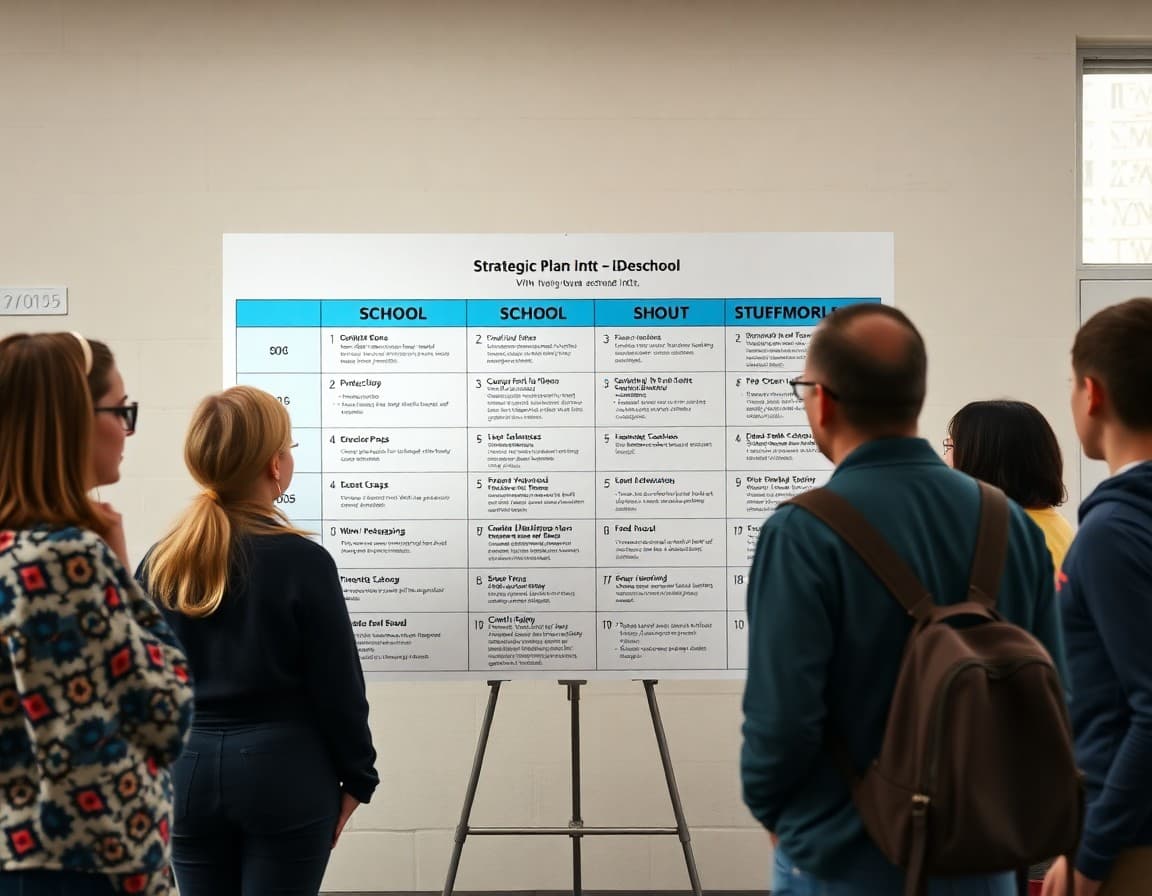
Approving a strategic plan is one of the most significant things a school board does. It sets the direction for the district for years ahead, communicates priorities to staff and families, and establishes the terms by which the community can hold the board accountable. The newsletter announcing the plan's approval should reflect that significance.
Lead with the vote and the plan's timeframe
Open with the vote outcome and what the plan covers. "The Board of Education voted unanimously on November 14 to adopt a new five-year strategic plan for 2026 through 2031." That sentence orients the reader immediately: what was decided, when, and for how long.
Summarize the plan's core goals
Most strategic plans are organized around three to six priority areas. Name each one and describe it in a sentence or two. Families do not need the full supporting narrative, but they need enough information to understand what the district is committing to focus on. Common priority areas include student achievement, equity, facility sustainability, and family and community engagement.
Explain how the community shaped the plan
Strategic plans that emerge from genuine community engagement have more credibility than those that appear to have been produced entirely by consultants or administrators. If the process included community surveys, focus groups, student listening sessions, or parent advisory committee input, describe that process briefly. Note the scale of participation and how feedback was incorporated. Families who participated want to see that their input mattered.
Connect goals to current student and family experience
Abstract goals become meaningful when they connect to something families can recognize in their children's daily experience. For each major goal, include a sentence that explains what it would look like in practice. "Improving middle school literacy outcomes" becomes more real when described as "ensuring every student reads at grade level by the end of eighth grade."
State the accountability and reporting structure
Tell families how they will know whether the district is following through. When will the board publish the first progress report? What metrics will be tracked and made public? Who is responsible for implementation? An announcement that includes accountability structure is more credible than one that presents goals without any mechanism for follow-up.
Link to the full plan document
Include a direct link to the full strategic plan document. Families who want the full picture should be able to access it without searching the district website. Consider also linking to a one-page visual summary if the district produced one during the engagement process.
Invite community participation in implementation
A strategic plan is most effective when the community feels invested in it. Describe opportunities for families and community members to participate in implementation, whether through advisory committees, feedback mechanisms, or regular public progress reviews. Use Daystage to send consistent progress updates against the plan throughout the years it covers, reinforcing accountability and community connection.
Get one newsletter idea every week.
Free. For teachers. No spam.
Frequently asked questions
How much of the strategic plan should the newsletter include?
Summarize the plan's major goals or priority areas, the timeframe it covers, and the key metrics the board will use to measure progress. Link to the full document for families who want to read it. A newsletter is not the place for the full plan, but it should give families a clear working understanding of the direction.
Should the newsletter explain how the plan was developed?
Yes, briefly. Families who participated in community engagement sessions or surveys want to know their input was heard. Mention the engagement process and note how community feedback shaped the final plan. This builds legitimacy and investment in the outcome.
How do we communicate strategic plan goals without overpromising?
Tie each goal to a specific, measurable target and a realistic timeline. Avoid language that implies guaranteed outcomes. "The district aims to increase the four-year graduation rate to 94% by 2029, up from 89% in 2025" is honest and specific. Vague aspirational language generates skepticism.
How will families know if the district is following through?
Tell them in the newsletter. State when the board will publish its first progress report, what metrics it will track publicly, and how families can stay informed. An accountability structure built into the announcement signals that the board means to follow through.
How does Daystage support strategic plan communications?
Daystage lets district communications teams send a polished strategic plan announcement with clear goal summaries, links to the full document, and a consistent layout that reflects the significance of the decision. You can also schedule follow-up progress newsletters at regular intervals.

Adi Ackerman
Author
Adi Ackerman is a former classroom teacher and curriculum writer with 8 years in K-8 schools. She writes about school communication, parent engagement, and what actually works in real classrooms.
More for School Board
Ready to send your first newsletter?
3 newsletters free. No credit card. First one ready in under 5 minutes.
Get started free