
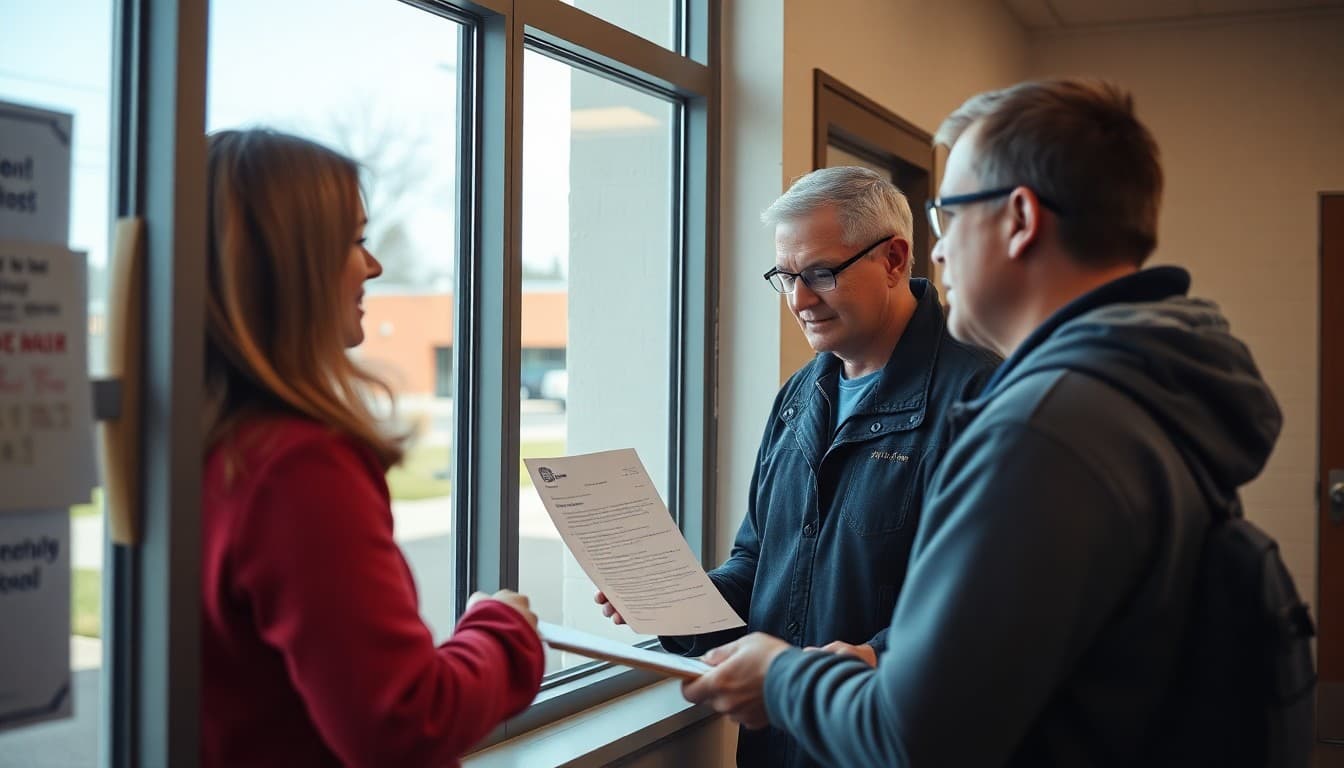
School Board Newsletter: Public Records and Transparency Policy

Public records laws give community members the right to access government documents, including school district records. Boards that make this access easy and communicate clearly about the process demonstrate a genuine commitment to transparency rather than the minimum required by law. A public records newsletter is an affirmative governance statement.
Explain what the public records law requires
Briefly describe your state's public records law, what it covers, and the timeline it requires for response to records requests. Most state laws require a response within five to ten business days, though production of documents may take longer. Families who understand the law can evaluate whether the district is meeting its obligations.
Describe how to submit a public records request
Give step-by-step instructions: where to submit the request, what information to include in the request, and who at the district handles records requests. If the district has an online portal for submissions, include the link. The easier the process, the more likely community members are to use official channels rather than informal ones.
List records available without a formal request
Many districts make common records categories available on their website without requiring a formal request. Board meeting minutes, adopted budgets, collective bargaining agreements, audit reports, and board policies are often posted publicly. Listing these proactively reduces the volume of formal requests and signals genuine commitment to openness.
Explain what records are exempt and why
Name the categories of records that are protected from disclosure and cite the specific legal basis for each exemption. Student educational records are protected by FERPA. Ongoing litigation is protected by attorney-client privilege. Personnel files have statutory protections. Naming the law, not just claiming an exemption, is the more transparent approach.
Describe the district's recent transparency improvements
If the district has recently expanded its proactive document posting, reduced response times, or made other transparency improvements, describe them. A newsletter that reports progress builds more trust than one that simply describes the statutory minimum.
Invite community engagement with governance
Close by noting that the district welcomes public records requests as a normal part of democratic governance. Daystage gives district teams a professional newsletter platform for delivering governance and transparency communications that model the open government values the community deserves.
Get one newsletter idea every week.
Free. For teachers. No spam.
Frequently asked questions
What should a public records and transparency newsletter cover?
How to submit a public records request, the timeline for response required by state law, what records are publicly available without a formal request, what categories of records are exempt from disclosure, and any recent improvements the district has made to its transparency practices.
Why should the district proactively communicate about public records access?
A district that makes records easy to request and responds promptly builds more trust than one that treats every request as an adversarial act. Proactively explaining the process signals that the board values transparency, not just tolerates it.
What records are most commonly requested from school districts?
Budget documents, contracts with vendors, board meeting minutes and agendas, employee salary schedules, special education program data, and discipline records are among the most frequently requested categories. Making these available proactively on the district website reduces formal request volume.
How do we explain records exemptions without sounding evasive?
Name the legal basis for each category of exempt records directly. Student records are protected by FERPA. Personnel files have state statutory protections. Attorney-client privileged communications are protected at law. Naming the specific law and its rationale is more transparent than vaguely claiming exemptions.
How does Daystage support transparency communications?
Daystage gives district communications teams a professional newsletter platform for delivering governance and transparency updates that build community confidence in the board's commitment to open government.

Adi Ackerman
Author
Adi Ackerman is a former classroom teacher and curriculum writer with 8 years in K-8 schools. She writes about school communication, parent engagement, and what actually works in real classrooms.
More for School Board
Ready to send your first newsletter?
3 newsletters free. No credit card. First one ready in under 5 minutes.
Get started free