
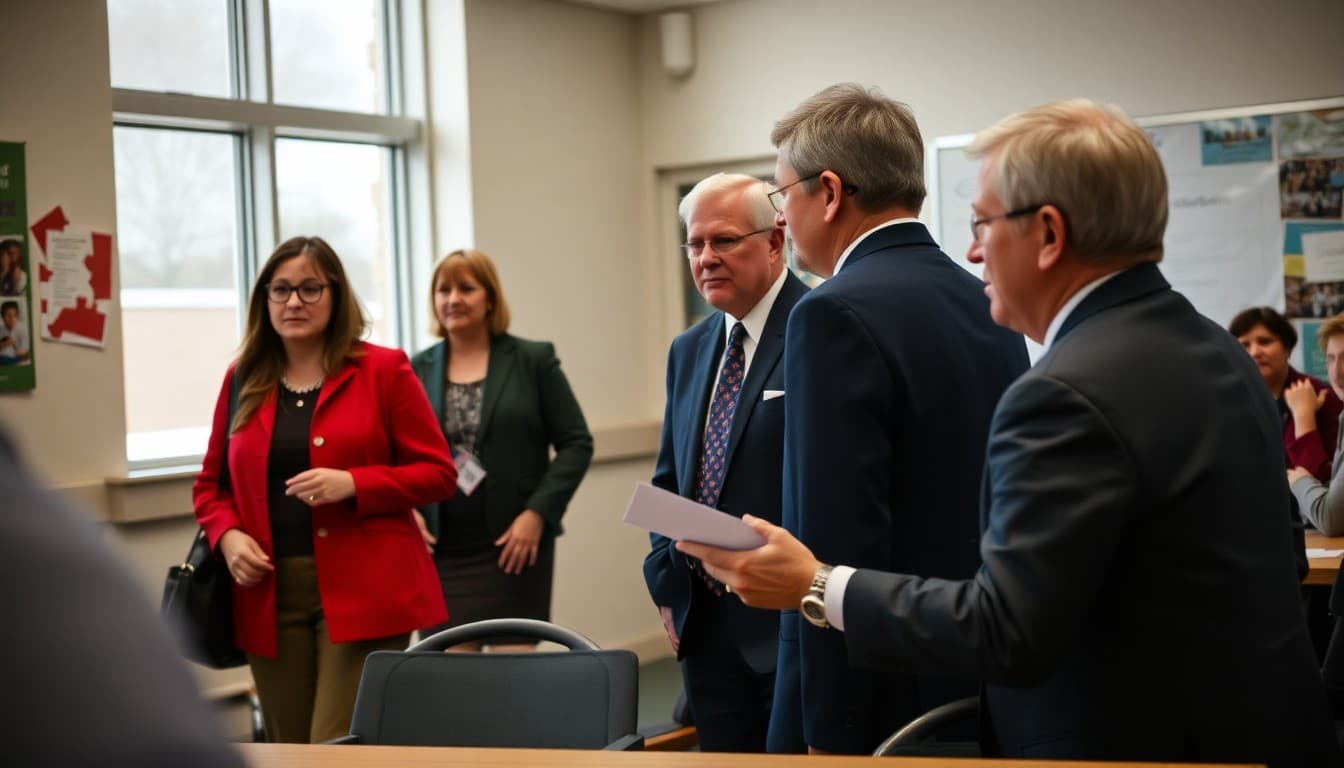
School Board Newsletter: Closed Session Summary for the Community
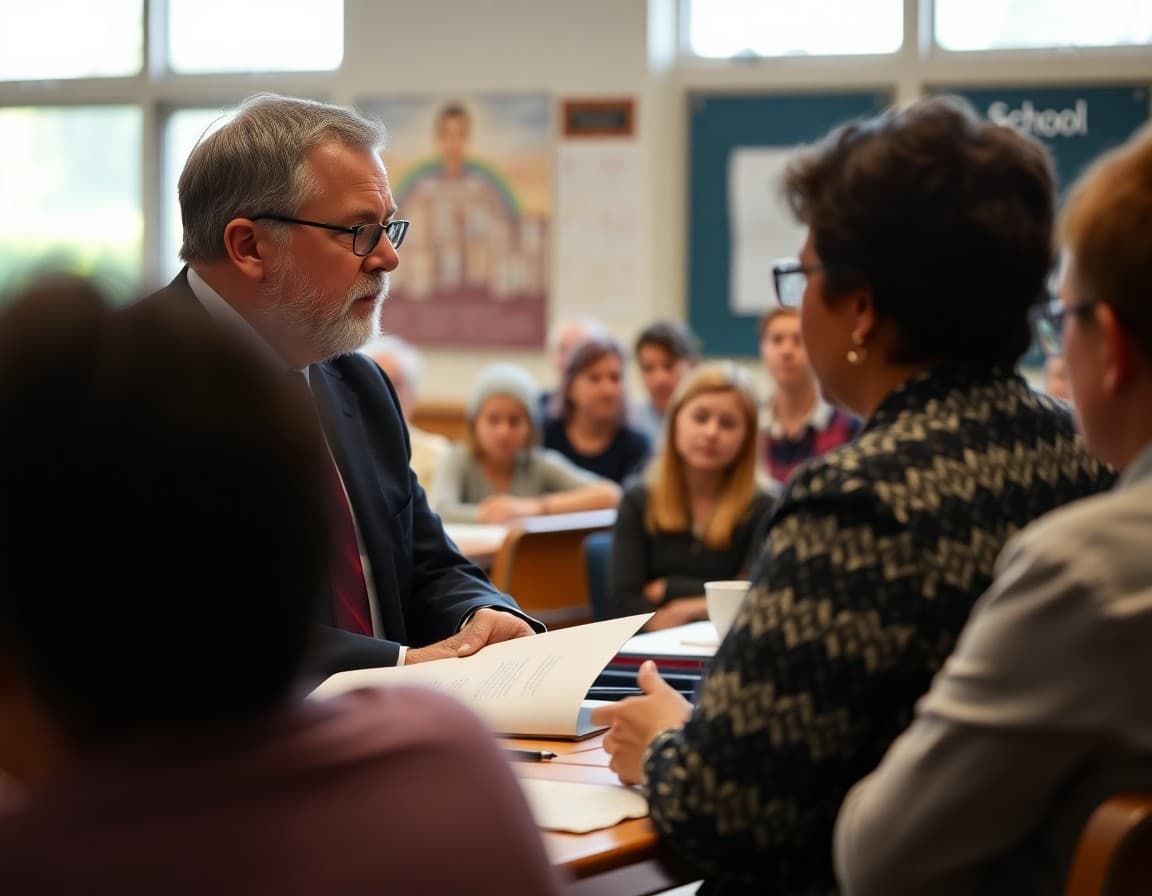
Closed sessions, also called executive sessions in many states, are a legitimate and legally protected part of school board governance. They allow boards to discuss personnel matters, litigation, labor negotiations, and real property transactions that require confidentiality. But closed sessions also generate community questions and, when handled poorly, community suspicion. A brief closed session summary newsletter is one of the most effective transparency tools a board can use.
Describe when and why the board met in closed session
Open with the date of the closed session, whether it was a special meeting or a closed session during a regular board meeting, and the general legal basis for meeting in closed session. Most state open meetings laws require that the board announce the general subject matter of a closed session before entering. The newsletter should include that same information.
State the subject areas discussed
Describe the general topics discussed in closed session at the level of specificity allowed by state law. "The board discussed pending litigation involving the district" or "the board considered a personnel matter related to a district employee" are appropriate levels of description. Specific names or details that are legally protected should not be disclosed.
Report any formal action taken
Any formal board action resulting from a closed session must be reported publicly. If the board voted to authorize the superintendent to settle a legal claim, approve a personnel action, or execute a real property agreement, that vote and its outcome should be disclosed at the level permitted by law. Include the vote count.
Explain what closed sessions are for
Briefly describe the legal basis for closed sessions in your state and the categories of subjects that may be discussed in closed session. Families who understand why closed sessions exist are less likely to view them as secretive and more likely to see them as a normal part of governance. This is particularly useful in the context of a newsletter that comes after a closed session that generated community speculation.
Acknowledge what cannot be disclosed and why
If the board cannot disclose specific information from a closed session, say so directly and state the legal reason. "State law prohibits the board from disclosing the details of personnel evaluations discussed in closed session" is more transparent than simply providing no explanation. Acknowledging the limits of disclosure demonstrates that the board is being as open as the law permits.
Invite community engagement through public channels
Close by noting that community members with questions about board governance can attend public meetings, submit written comments, or contact board members directly. Daystage gives district teams a professional newsletter platform for delivering closed session summaries with the consistent, professional tone that governance transparency requires.
Get one newsletter idea every week.
Free. For teachers. No spam.
Frequently asked questions
What can a board legally disclose after a closed session?
This varies by state, but boards are generally required to report the general subject matter discussed in closed session and any final action taken. They typically cannot disclose the substance of personnel discussions, the specifics of legal strategy, or negotiation positions. At minimum, any vote taken in closed session that results in a formal action must be reported publicly.
What are the most common topics addressed in closed session?
Personnel matters including individual employee evaluations, disciplinary actions, and hiring decisions; labor negotiations; litigation involving the district; real property negotiations; and student matters requiring confidentiality. Each of these has specific legal authority under most state open meetings laws.
How do we communicate closed session outcomes without violating confidentiality?
Announce any formal actions taken and the vote count. Describe the subject matter in general terms consistent with your state's open meetings law. Avoid disclosing the identity of individuals discussed unless the action is itself a public action such as a hire or termination that will be publicly apparent.
Why is a closed session recap newsletter valuable even when little can be disclosed?
Community members who see the board being as transparent as the law allows about what it is doing in closed session trust the board more than those who receive no information at all. Consistent, bounded transparency on sensitive matters builds more confidence than silence.
How does Daystage support governance transparency communications?
Daystage gives district communications teams a professional newsletter platform for delivering governance summaries, including closed session reports, with consistent formatting that reflects the board's commitment to transparency.

Adi Ackerman
Author
Adi Ackerman is a former classroom teacher and curriculum writer with 8 years in K-8 schools. She writes about school communication, parent engagement, and what actually works in real classrooms.
More for School Board
Ready to send your first newsletter?
3 newsletters free. No credit card. First one ready in under 5 minutes.
Get started free