
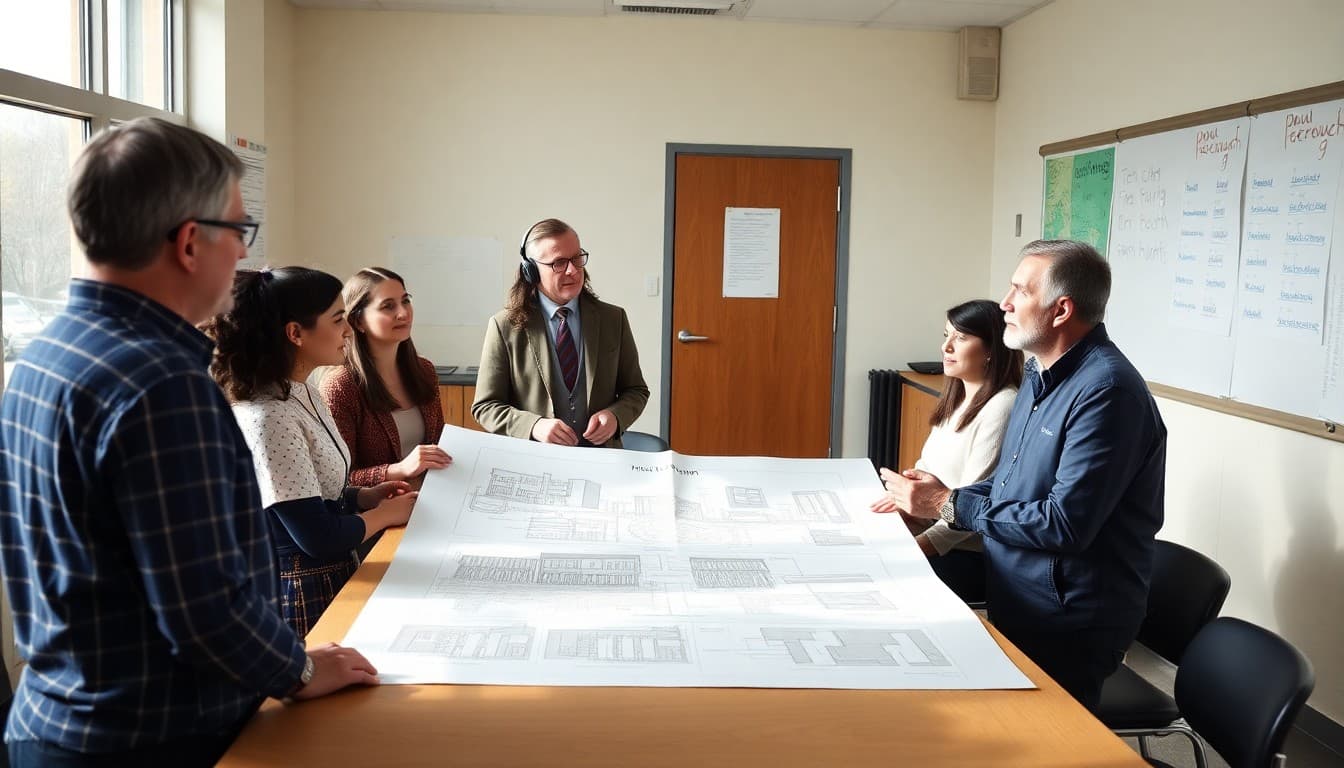
School Board Newsletter: Our Facilities Master Plan
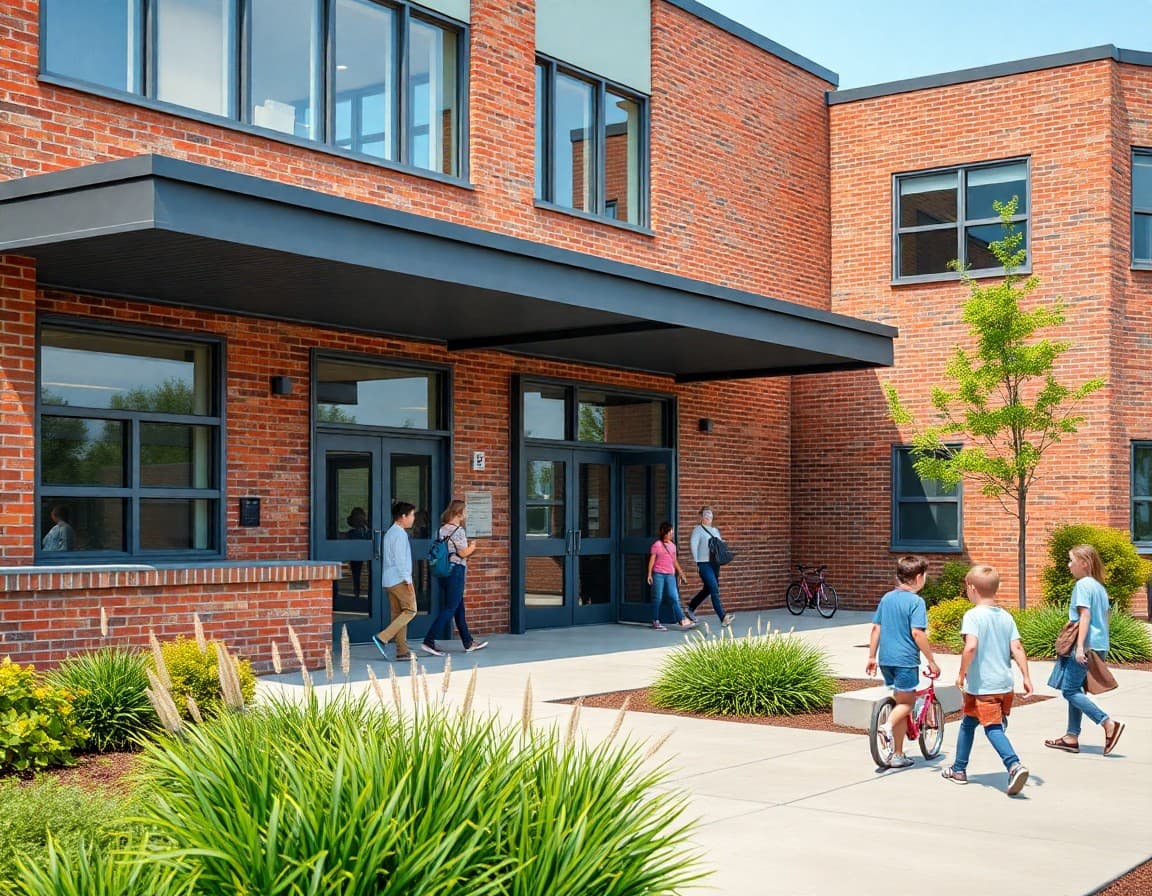
A facilities master plan lays out the district's vision for its physical infrastructure over the coming decade or more. It identifies which buildings need renovation, which sites need expanded capacity, which systems are past their service life, and in what order the district proposes to address those needs. Communicating this plan to the community clearly is essential for building the trust and, often, the voter support that implementation requires.
Describe the assessment that produced the plan
Most facilities master plans begin with a formal assessment of existing conditions. Describe when it was conducted, who conducted it, and the overall findings. If the assessment found that a certain percentage of district buildings need significant investment to meet current educational standards or safety codes, share that number. Families who understand the documented need are better positioned to evaluate the plan.
Summarize the plan's scope and priority projects
List the schools or facilities included in the plan, the primary work planned at each, and the order of priority. If the plan has phases, describe what the first phase covers and when it is expected to begin. Families with children at specific schools want to know whether and when their school is in the plan.
Explain the total estimated cost
State the total estimated cost of the plan, broken down by phase if applicable. Note that these are estimates and that final costs will depend on design completion, bidding, and construction market conditions. Transparency about cost uncertainty is more credible than presenting cost estimates as fixed.
Describe the proposed funding sources
Tell families how the plan would be funded. If it depends on a future bond measure, say so and note the anticipated election date. If parts of the plan are funded through existing capital reserves or state facilities grants, describe that. Families need to understand the funding pathway to evaluate whether the plan is realistic.
Acknowledge deferred projects and the prioritization rationale
A master plan almost always defers some needs. If a school that needs work is not in the first phase, explain why. Safety-critical systems typically receive priority over aesthetic improvements. Enrollment pressure drives priority at overcrowded schools. A clear prioritization rationale, even if some families disagree with it, is more credible than no explanation.
Describe how community input shaped the plan
If the district held community forums, conducted surveys, or convened a facilities advisory committee during the planning process, describe how that input influenced the plan. Community members who participated want to see evidence that they were heard.
Commit to regular progress updates
Tell families when they can expect updates on facilities plan implementation, particularly for schools where construction is imminent. Daystage gives district teams the tools to send professional, consistent facilities updates throughout the life of a capital program.
Get one newsletter idea every week.
Free. For teachers. No spam.
Frequently asked questions
What should a facilities master plan newsletter cover?
The scope of the plan, which schools or facilities are included, the priority projects, the estimated costs, the proposed funding sources, and the timeline for implementation. Also describe the assessment process that identified the needs and how community input shaped the plan.
How do we communicate deferred projects honestly?
Name the deferred projects, explain the prioritization rationale, and give an honest estimate of when they might be addressed. Families whose schools are not in the first phase of a facilities plan deserve to know that and to understand why priorities were ordered the way they were.
Should the newsletter explain how the plan will be funded?
Yes. Families want to know whether the plan depends on a future bond measure, existing reserves, state facilities grants, or a combination. Funding certainty matters. A plan that depends on a bond measure that has not yet been approved should be described differently than one that is already funded.
How often should the board update the community on facilities plan progress?
At minimum annually, and more often when significant milestones occur, such as design completion, construction start, or project completion. Families in schools undergoing construction deserve more frequent updates.
How does Daystage support facilities communication?
Daystage gives district communications teams a professional platform for sending facilities plan announcements and construction progress updates. You can build a consistent template for facilities newsletters and deliver updates across the full community at each project milestone.

Adi Ackerman
Author
Adi Ackerman is a former classroom teacher and curriculum writer with 8 years in K-8 schools. She writes about school communication, parent engagement, and what actually works in real classrooms.
More for School Board
Ready to send your first newsletter?
3 newsletters free. No credit card. First one ready in under 5 minutes.
Get started free