
School Board Newsletter: Facilities Committee Report to Families
School buildings are the daily environment for thousands of students and staff. When buildings are aging, overcrowded, or in need of repair, families notice, and they want to know whether the district is paying attention. A regular facilities committee newsletter shows the community that the board has oversight of building conditions and is making intentional decisions about maintenance and improvement.
Open With the State of the Facilities
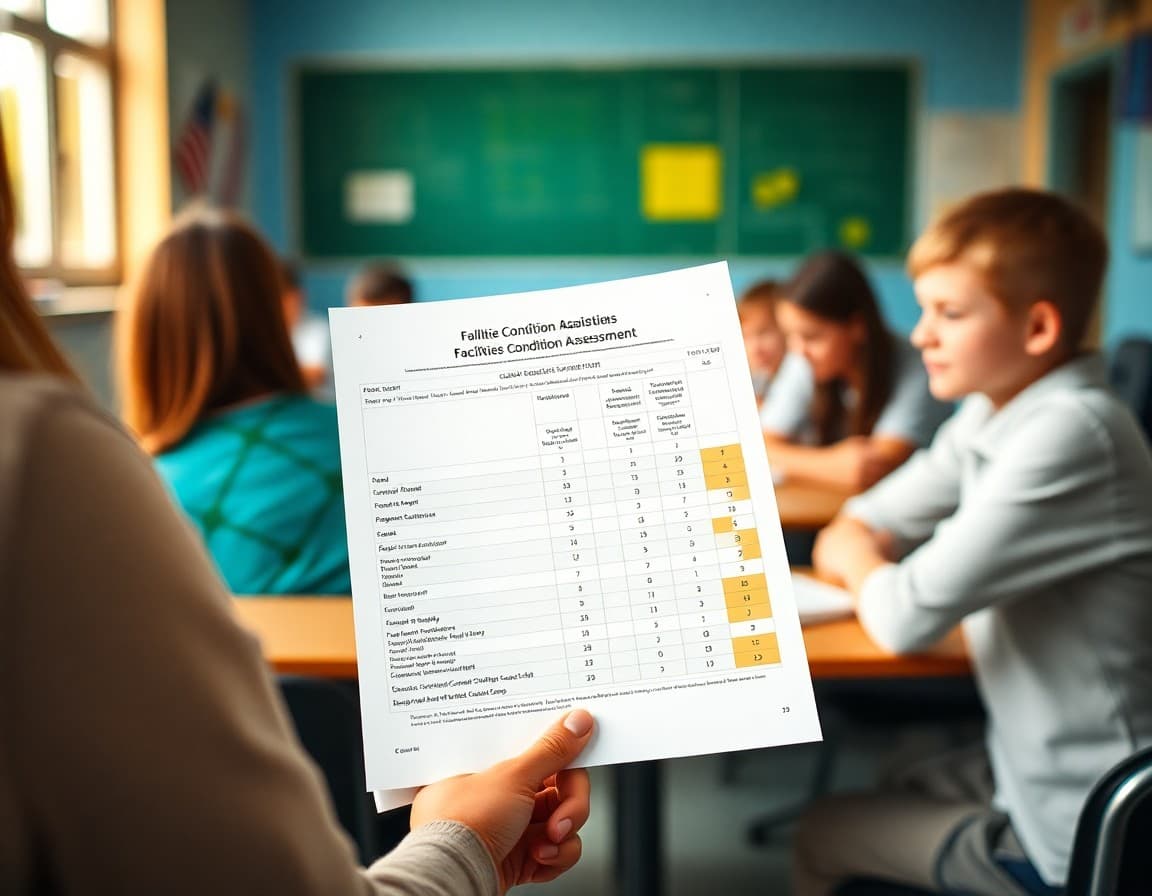
Families deserve an honest picture of where the district's buildings stand. If the district has completed a facilities condition assessment, summarize the findings in plain terms: how many buildings are in good condition, how many need significant repair, and what the total deferred maintenance estimate is. This number can be alarming in some districts, but presenting it alongside a plan is more credible than avoiding the topic.
Describe Completed Projects
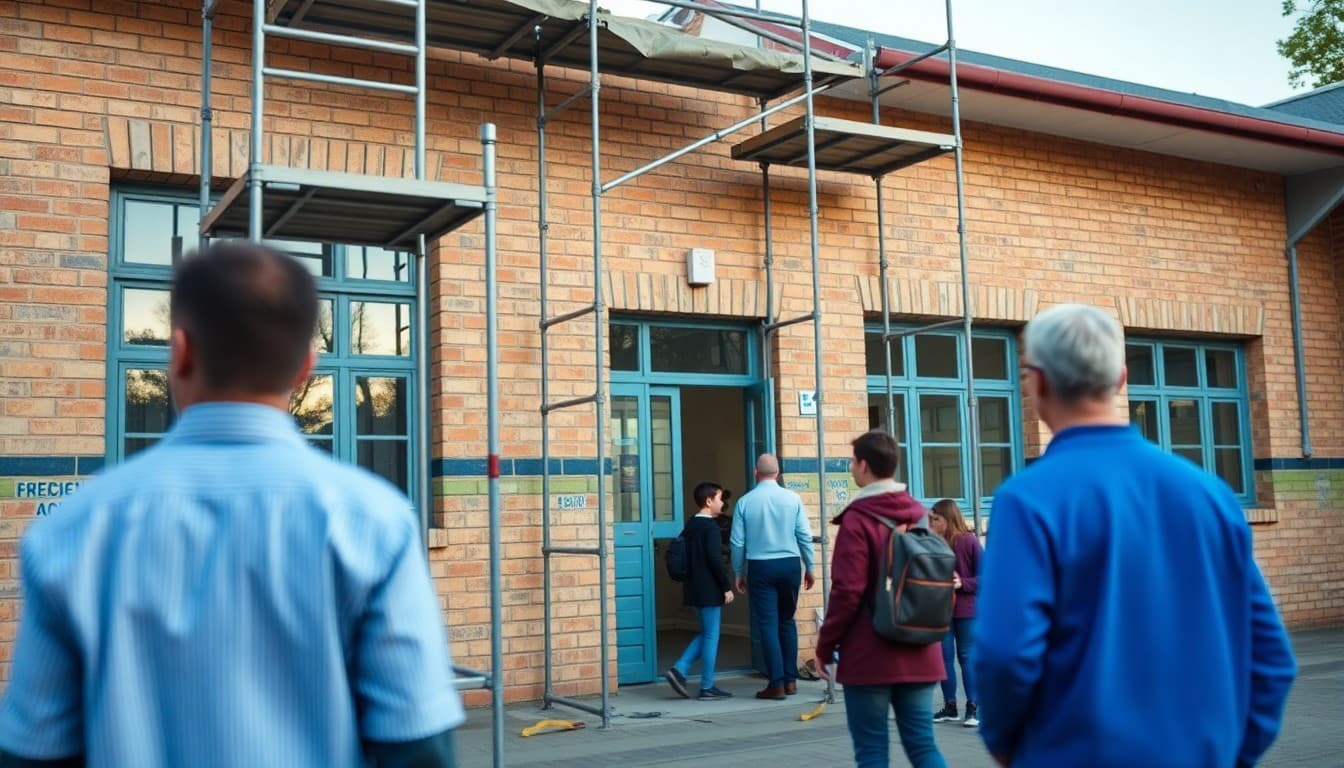
The most engaging part of a facilities newsletter is what has actually changed. List the projects completed in the most recent year or construction season: HVAC replacements, roof repairs, new flooring, playground upgrades, or accessibility improvements. Include before-and-after photos where available. Visible improvements reassure families that the district is investing in the buildings their children spend their days in.
Update Active Projects
For construction projects currently underway, describe the scope, the contractor, and the expected completion date. If a project is running behind schedule, say so and explain why. Parents whose children are attending a school with active construction deserve to know what is happening and when normal operations will be fully restored.
Address the Deferred Maintenance Backlog
Most school districts carry a significant deferred maintenance backlog, meaning repairs that have been identified but not yet funded. Describe what is in the backlog, how it is prioritized, and what funding the district has available to address it. If the board is considering a bond measure or a facilities levy in the coming years, the backlog context is exactly the kind of information that helps voters understand why the funding is needed.
Highlight Safety-Related Improvements
Safety upgrades deserve special mention: new security vestibules, updated fire suppression systems, improved lighting in parking areas, or lead water testing and remediation. Safety investments are the most universally supported type of facilities spending and should be called out explicitly rather than buried in a general list of projects.
Preview Upcoming Decisions
If the facilities committee has recommendations going to the full board in the coming months, preview them. A decision about whether to repair or replace a building, whether to pursue a bond measure, or how to allocate a capital budget surplus all benefit from community understanding before the vote. Families who are informed in advance are better prepared to engage at the board meeting where the decision will be made.
Invite Community Observation
Facilities committee meetings are typically open to the public. Describe when they meet and how families can observe or provide input on facilities priorities. If the district is considering a facilities survey or a community input process before a major capital decision, announce it in the newsletter and include a link to the sign-up or survey through Daystage. Families who feel included in facilities planning are more likely to support the funding requests that follow.
Get one newsletter idea every week.
Free. For teachers. No spam.
Frequently asked questions
What does a school board facilities committee do?
A facilities committee oversees the physical condition of district buildings, reviews capital project spending, evaluates deferred maintenance needs, and advises the board on facility-related policies and investments. It is typically the body that oversees bond program spending and recommends facility priorities for each budget cycle.
What should a facilities committee newsletter cover?
Cover the current condition of district facilities, any capital projects underway or recently completed, the deferred maintenance backlog and how the district is addressing it, any safety-related upgrades, and upcoming facilities decisions facing the board. Photos of completed improvements make the newsletter significantly more engaging.
How do we communicate about aging facilities without alarming parents?
Focus on what the district is doing to address facility needs rather than cataloging everything that is wrong. Describe the prioritization process: which needs are most urgent for student safety and learning, which are scheduled for near-term repair, and which are in a longer-term capital plan. Families can handle a realistic picture of building conditions when it comes with a clear plan.
Should the facilities committee newsletter mention safety concerns?
If a building has a known safety issue that the district is actively addressing, disclose it with a description of the remediation plan and timeline. Families who discover a safety issue through sources other than the district are far more alarmed than families who hear about it from the district with a plan attached.
What tool works best for school newsletters?
Daystage works particularly well for facilities newsletters because you can include before-and-after photos, embed a project status table, and link to the full capital improvement plan from within the newsletter, giving families who want more detail a direct path to the documentation.

Adi Ackerman
Author
Adi Ackerman is a former classroom teacher and curriculum writer with 8 years in K-8 schools. She writes about school communication, parent engagement, and what actually works in real classrooms.
More for School Board
Ready to send your first newsletter?
3 newsletters free. No credit card. First one ready in under 5 minutes.
Get started free