

School Board Newsletter: Upcoming Election Information for Voters
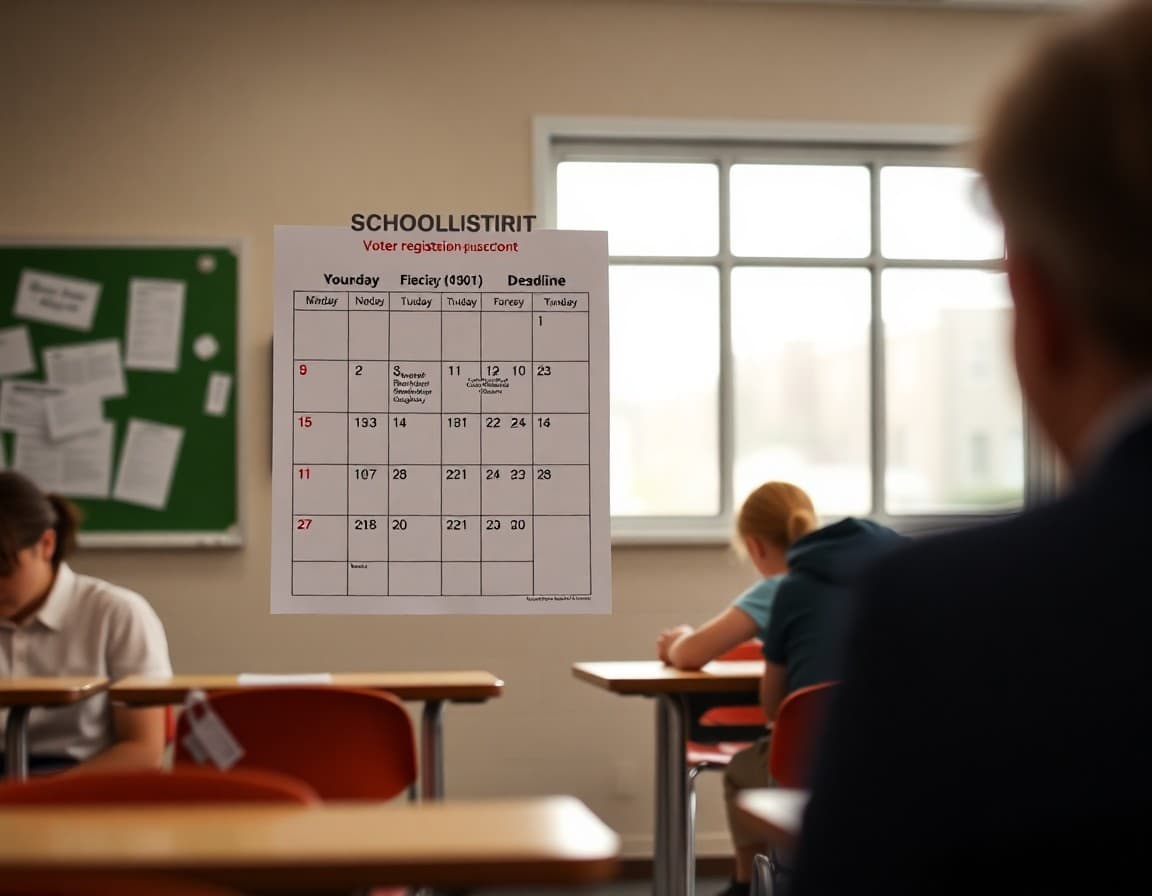
School board elections determine who governs the district. They are civic events the entire community has a right to participate in. A school district that proactively communicates factual election information, voter registration deadlines, polling locations, and what is on the ballot, is investing in the democratic process that produces the board itself.
State the election date prominently
Open with the election date. This is the single most important piece of information in the newsletter. State it in the opening sentence and repeat it in a callout or prominent formatting if your newsletter platform supports it. Families who know the date can plan to vote.
Describe what is on the ballot
List the seats up for election, including the term length and zone or trustee area for each seat. If there are ballot measures, such as a bond measure or parcel tax, name them by their official designation. Do not describe what they would fund or imply whether they should pass. That is factual description, and the district can legally provide it.
Provide voter registration information
State the voter registration deadline and include a link to the county or state voter registration portal. If same-day registration is available in your state, note that. Remove every barrier to participation that a newsletter can remove.
Describe voting options
Tell voters how they can cast their ballot. Is this an all-mail election? Are there in-person polling locations? When does early voting begin? Where are vote centers located? What is the deadline to return a mail ballot by mail versus in person? Complete voting option information serves every voter, regardless of their schedule or circumstances.
Direct voters to candidate and measure information
Direct voters to the county elections office website and any nonpartisan voter guide for candidate information and measure summaries. The district newsletter should not be the source of candidate information, but it should make finding that information easy.
Describe why board elections matter
Include a brief paragraph explaining what a school board does and why its composition matters. Families who understand the board's role in setting policy, approving budgets, and hiring the superintendent are better positioned to evaluate candidates and participate meaningfully.
Send a reminder closer to election day
One newsletter is rarely enough. Send a reminder two weeks before the election that repeats the date, mail ballot deadline, and polling location information. Daystage gives district teams the tools to send a well-timed election information series that builds genuine civic participation.
Get one newsletter idea every week.
Free. For teachers. No spam.
Frequently asked questions
What election information can a school district legally communicate?
Districts can share factual information: the election date, which seats are on the ballot, how to register to vote, where polling places are, how to request a mail ballot, and what measures or offices are on the ballot. They cannot advocate for or against specific candidates or measures using public resources.
How do we describe candidates and their positions without appearing to favor any of them?
The safest approach is to direct voters to the county election office or a nonpartisan voter guide for candidate information rather than summarizing it in the district newsletter. The district newsletter can tell voters where to find that information without summarizing positions that could be seen as selective.
Should the newsletter describe what is at stake in the election?
The newsletter can describe what the board does and why board composition matters. It should not characterize specific candidates or suggest that any particular election outcome is better for students or the district.
How early should an election information newsletter go out?
At least four to six weeks before election day to allow families time to register if they are not already registered. A reminder newsletter closer to the election, about two weeks out, is also useful for mail ballot deadlines and early voting information.
How does Daystage support election communication?
Daystage gives district communications teams a professional newsletter platform for delivering factual election information to the community on a timeline that supports voter participation. Consistent election communication signals that the board values civic engagement.

Adi Ackerman
Author
Adi Ackerman is a former classroom teacher and curriculum writer with 8 years in K-8 schools. She writes about school communication, parent engagement, and what actually works in real classrooms.
More for School Board
Ready to send your first newsletter?
3 newsletters free. No credit card. First one ready in under 5 minutes.
Get started free