

School Board Newsletter: Community Survey Results and Our Response
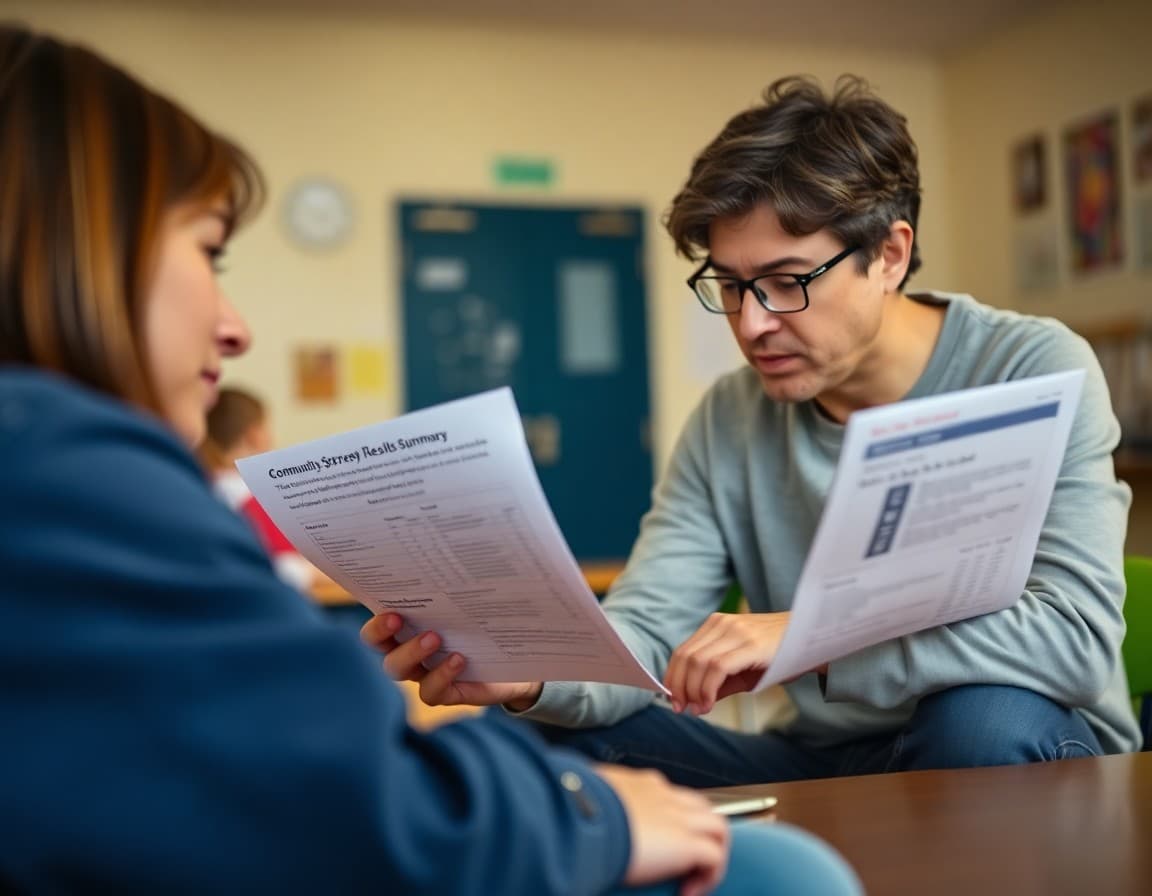
A community survey that is conducted and then never heard from again is a trust-destroying experience for respondents. Families who took time to answer questions about their district deserve to know what the survey found and what the board plans to do with the information. A community survey results newsletter is the accountability follow-through that makes surveys worth taking.
Describe the survey and its purpose
Open by describing the survey: when it was conducted, what prompted it, how many people responded, and what it was designed to learn. Give families the context they need to evaluate the significance of the findings.
Report the response rate and respondent demographics
State how many people responded and what demographic groups they represent. If the response rate was strong enough to be representative of the community, say so. If certain groups were underrepresented, note that and describe what the district learned about how to improve reach in future surveys.
Summarize the strongest areas of community satisfaction
Describe the areas where families expressed high levels of satisfaction or confidence in the district. Be specific about what was valued and what that tells the board about what is working. Strong results deserve genuine recognition.
Report the most significant areas of concern
This is the section that makes the newsletter credible. Describe the areas where respondents expressed the greatest concerns or lowest satisfaction. Do not sanitize the findings. A community survey that produced significant concerns should produce a newsletter that acknowledges them directly.
Describe the board's response to the findings
Tell families what the board plans to do with the survey results. Which concerns will drive specific governance actions? Are any findings being referred to a committee for further study? Will the results inform the next strategic plan update? Specific planned responses make the survey exercise meaningful.
Link to the full survey report
Provide a link to the full survey findings document or dashboard. Families who want to see all the data should be able to access it. Daystage gives district communications teams a professional newsletter platform for delivering survey result summaries that close the community engagement loop with honesty and specificity.
Get one newsletter idea every week.
Free. For teachers. No spam.
Frequently asked questions
What should a community survey results newsletter include?
The survey's purpose and methodology, the response rate and demographics of respondents, the key findings by major topic area, areas of community strength and areas of concern, and how the board plans to use the results in its governance work.
How do we report survey findings that are critical of the district?
Report them directly and pair them with a description of how the board is responding. Families who participated in the survey and expressed concerns want to see those concerns reflected honestly in the results. A newsletter that smooths over critical findings damages trust with exactly the respondents the district was trying to engage.
How do we ensure respondents are representative of the full community?
Report the demographics of survey respondents alongside the findings. If the survey over-represents certain groups and under-represents others, acknowledge that limitation and describe how the district is addressing the gap in future engagement efforts.
Should the newsletter link to the full survey report?
Yes. Families who participated in the survey or who want to see the full data should be able to access the complete findings. The newsletter is a summary; the full report is available for those who want it.
How does Daystage support community engagement follow-up?
Daystage gives district communications teams a professional newsletter platform for delivering survey results and engagement follow-up communications that close the loop between community input and governance response.

Adi Ackerman
Author
Adi Ackerman is a former classroom teacher and curriculum writer with 8 years in K-8 schools. She writes about school communication, parent engagement, and what actually works in real classrooms.
More for School Board
Ready to send your first newsletter?
3 newsletters free. No credit card. First one ready in under 5 minutes.
Get started free