

School Board Community Schools Update Newsletter for Families
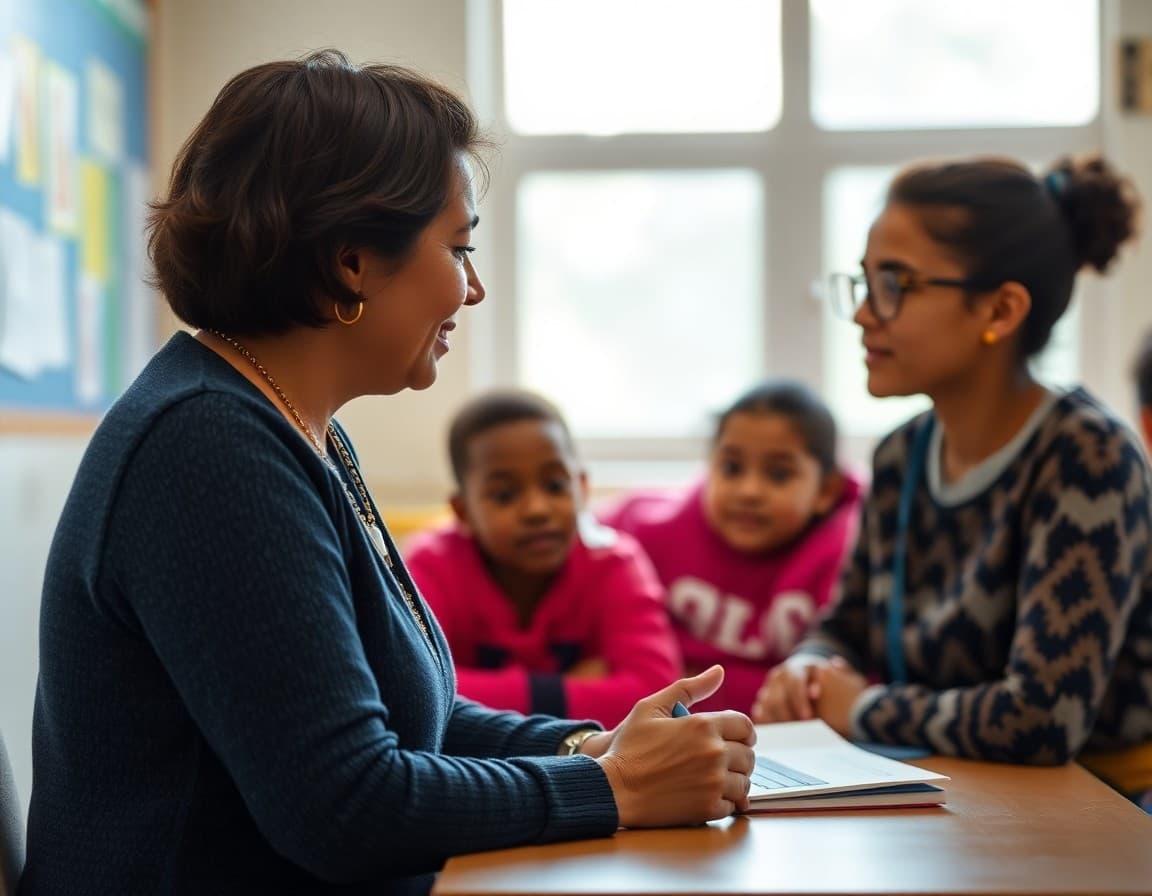
Community schools address a reality that every educator in high-poverty schools understands: students cannot learn effectively when they are hungry, sick, scared at home, or carrying adult burdens without support. The community school model brings services to where students already are. A newsletter that explains how the model works, what services are available, and whether it is producing results gives families both practical information and evidence that the board is investing in the whole child, not just the test score.
What Community Schools Actually Do
The community school model rests on four pillars: integrated student supports, expanded and enriched learning time and opportunities, active family and community engagement, and collaborative leadership and practices. In practical terms, that means a school where a family can walk in and get connected to a food pantry, a mental health counselor, a legal services clinic, an after-school program for their child, and English classes for themselves. The community school coordinator is the professional whose job is to build these partnerships and connect families to the right service at the right time.
The Partner Organizations
Name the organizations partnering with community schools in the district and describe what each provides. This is both transparency and marketing for services families may not know they can access. "Riverside Community Health provides free dental screenings for K-8 students every Friday at Lincoln Elementary. Families interested in a screening can contact the school coordinator." That sentence tells families something they can act on. A vague reference to "health partners" does not. A newsletter that names and describes each partner creates a searchable, shareable resource for families who need specific services.
Attendance and Academic Outcomes
Publish the outcome data. Community schools models are most compelling when they can show that students at community schools have better attendance, lower chronic absenteeism, higher graduation rates, or better academic outcomes than comparable students at non-community schools in the same district. If you have that data, it belongs in the newsletter. If the model is newer and outcome data is not yet available, say so and describe what data will be collected and when it will be reported. A board that funds a community schools model and never reports whether it is working fails in its basic accountability function.
How Families Access Services
The newsletter should include clear instructions for how families at community schools access the available services. Who do they contact first? The community school coordinator, the main office, or directly to the partner organization? What happens if they need something outside of school hours? What if they do not speak English? Include the coordinator's name and contact information for each community school. Families who know exactly who to call are more likely to access services than those who hear a general description of what might be available somewhere in the building.
The Community School Coordinator Role
The community school coordinator is the professional who makes the model function. The newsletter should describe this role so families understand who they are and what the coordinator can and cannot do. A coordinator connects families to services, manages partner relationships, tracks service utilization, and identifies gaps in the support network. A coordinator is not a counselor, a social worker, or a case manager, though they work alongside all three. Families who understand the role use it more effectively.
Expanding the Model
If the board is operating community schools at some schools and not others, describe the criteria for expansion and the timeline. Do all Title I schools qualify? Is expansion based on a competitive application from school communities? Is new funding required for each additional site? Families at schools that do not currently have the community school model deserve to understand whether and when they might. A clear expansion plan communicated regularly builds community support for the funding decisions that expansion requires.
Family and Community Engagement
Community schools are not just service delivery points. They are designed to increase family engagement in schools by creating reasons for families to be present and by removing barriers to participation. The newsletter should describe what the district has observed about family engagement at community schools: are families attending more meetings, using the building for community events, participating in adult education? This kind of outcome is harder to quantify than attendance rates but is central to the community school model's theory of change.
The Board's Governance Role
The board should receive regular reports on community school performance and funding. Include a brief note in the newsletter about the board's oversight role: what data the board reviews, at what frequency, and what the board's expectations are for program quality. A board that governs community schools with the same rigor it applies to academic programs demonstrates that the investment is taken seriously. Families who see that rigor in the newsletter are more likely to trust that the program is well-managed.
Get one newsletter idea every week.
Free. For teachers. No spam.
Frequently asked questions
What is a community school and how does it differ from a traditional school?
A community school is a school that operates as a hub for community services in addition to its academic mission. It typically partners with local organizations to provide wraparound services to students and families including health care, mental health support, after-school programs, adult education, social services navigation, and food access. The community school coordinator is a central role: they build and manage partnerships, connect families with services, and track whether the wraparound support is affecting attendance and academic outcomes.
What should a community schools newsletter cover?
Cover the number of schools in the community schools network, the partner organizations providing services and what each offers, data on how many families accessed services in the past year, outcomes such as improved attendance or fewer chronic absenteeism cases at community schools, any new partnerships added, and how families at community schools can access services. Include a section on how non-community school families can advocate for the model at their school if they want it expanded.
How does community schools funding typically work?
Community schools funding comes from multiple sources: federal grants including Title IV and community schools-specific grants, state community schools legislation where it exists, local philanthropic partners, and the district's general fund. Some districts receive full-service community schools grants that fund coordinator positions and partner coordination. Others build the model from existing resources. The newsletter should explain the funding structure so families understand whether the model is financially sustainable or dependent on grants with expiration dates.
How do you communicate community schools outcomes to the broader district?
Report data that connects wraparound services to academic and attendance outcomes. If community schools in the district had 12 percent lower chronic absenteeism rates than comparable non-community schools, that is a significant finding worth sharing. If mental health referrals at community schools were completed within five days compared to a 30-day wait at non-community schools, that data tells a compelling story. The newsletter should present outcomes that families outside the community schools network can evaluate when deciding whether to advocate for expansion.
What platform helps boards communicate community schools updates to district families?
Daystage lets district communications staff send a community schools newsletter with program data, partner spotlights, and service access information. You can send it to families at specific schools or the full district, and archive it publicly so partner organizations can reference it in their own communications.

Adi Ackerman
Author
Adi Ackerman is a former classroom teacher and curriculum writer with 8 years in K-8 schools. She writes about school communication, parent engagement, and what actually works in real classrooms.
More for School Board
District Community Partnership Newsletter: Communicating School-Community Collaboration to Families
School Board · 5 min read
School Board Mental Health Services Newsletter for Families
School Board · 7 min read
District Mental Health Initiative Newsletter: Communicating Student Wellness Programs to Families
School Board · 6 min read
Ready to send your first newsletter?
3 newsletters free. No credit card. First one ready in under 5 minutes.
Get started free